

Your best shots are radio and online stations, guest-mix series, curated competitions, and hosted streaming links, in roughly that order of impact. But routes don’t matter if the package is weak. The one non-negotiable, across every outlet: a clean, properly mixed file with a full tracklist and a short, tailored pitch that shows you actually know the show you’re pitching. Get that ready before you send a single email.
TL;DR:
- Submissions must include a full, properly labeled tracklist with timestamps and a tailored pitch, sent via a preferred method such as a streaming link or upload platform.
- Personalized subject lines and show-specific references in the pitch significantly increase your chances of getting noticed and accepted.
- Follow submission guidelines precisely, including format, artwork, and complete information, as missing details are common reasons for rejection.
- Post-acceptance promotion and engagement are crucial to turn a single feature into ongoing opportunities, such as recurring slots or collaborations.
Table of Contents
- Where To Submit Your DJ Mix: Picking The Right Destination
- Your DJ Mix Submission Checklist Before You Hit Send
- How To Pitch Your Mix Without Sounding Like Everyone Else
- Turning A Feature Into Real Momentum
- Submit To Hot Mic Radio: How We Accept DJ Mixes
- What Actually Separates A Good Submission From A Great One
- Quick Links For Format Specs And Submission Pages
- Sources
- FAQ
Where To Submit Your DJ Mix: Picking The Right Destination
Not every destination wants the same thing from you, and that’s actually good news. It means there’s probably a lane that fits your sound better than the one you’re currently forcing your way into.
Radio and online stations are the biggest prize because they come with a built-in audience and recurring exposure. Most stations run a mix of live show slots and guest-mix features, and curators typically want to hear a full-length set (not a two-track snippet) before they’ll commit airtime to you.
Guest-mix series and themed shows operate differently. These outlets often want a story behind the set, not just the audio. Decks&Stories requires a 60-minute minimum mix paired with a written narrative, and it wants the whole package delivered as a downloadable file rather than a link. That’s a meaningful shift from the “just drop a Mixcloud link” approach that works elsewhere.
Competitions and festival submission routes split into two camps: juried (judged on technical skill and creativity) and voting-based (judged on your ability to hustle up support). Read the fine print here. Time limits are often strict, and many contests expect you to promote your own entry as part of the deal.
Hosting and link options depend entirely on what the destination asks for:
- Use SoundCloud or Mixcloud when a curator wants quick, frictionless listening. Mixcloud in particular pushes a creator-first model built for exactly this kind of distribution.
- Use a private streaming link when a station explicitly asks for one over an attachment. Frisky prefers this route for first contact.
- Use WeTransfer or Dropbox only when the outlet specifically wants a downloadable master, which is common for guest-mix series that also want artwork or press photos bundled in.
Your DJ Mix Submission Checklist Before You Hit Send
Curators move fast and forgive nothing. A single missing tracklist or a mislabeled file can bump your submission straight to the reject pile, no matter how good the mixing is. Work through this before you contact anyone:
- Audio format and quality. MP3 at 320kbps is the floor for most outlets, and WAV is welcome almost everywhere. Unchained Radio specifically calls out 320kbps MP3 or WAV as its standard. Never send a 128kbps rip; it’s audible, and it signals you didn’t take the submission seriously.
- Mix length. Most stations and guest-mix series land somewhere in the 60 to 90 minute range, though some accept sets as short as 30 minutes for rotation-style shows. Unchained Radio recommends 60 to 90 minutes specifically for guest mixes.
- Full tracklist with timestamps. List every track in order, note the label, and flag any unreleased IDs clearly. Outlets like Unchained Radio treat a complete, timestamped tracklist as mandatory, not optional.
- File naming, ID3 tags, and artwork. Name your file with your DJ name and mix title, populate your ID3 tags, and prep square artwork at 1000×1000 pixels minimum.
- Delivery method. Send a streaming link for first contact unless the outlet asks for a downloadable file. Some guest-mix series, following the Decks&Stories model, want everything (mix, photos, bio, tracklist) bundled into one transfer link.
- Contact info and short bio. Include your name, social links, and a two or three sentence bio. A press kit is a nice extra but rarely required at this stage.
Pro Tip: Curators often decide within the first 30 seconds whether your mix matches their show’s tone. Skip the long spoken intro and dead air. Open with something that immediately tells them what they’re in for.
How To Pitch Your Mix Without Sounding Like Everyone Else

Your subject line does more work than you think. A formula that consistently performs: your DJ name, the mix type, and your intent, stated plainly. Something like “Jordan Reyes: 75-Minute Afrobeats Guest Mix for [Show Name]” beats “Check Out My Mix!!” every time, because it tells the curator exactly what they’re opening before they open it.
Structure the email itself around a few fixed elements:
- Open by saying who you are and why your sound fits their specific show, not radio in general.
- Include the stream or download link, the full tracklist, and a short bio in your initial message. Don’t make them ask for it.
- Reference something specific: a recent episode, a guest they’ve featured, a theme they run regularly. Personalized pitches that reference the actual show consistently outperform mass, copy-paste emails.
- Keep it short. Curators are triaging dozens of these a week; respect that.
On response times, patience is part of the job. Frisky tells submitters to allow up to four weeks for review, and Unchained Radio’s guest-mix process runs on a similar timeline since many teams review submissions in weekly batches rather than one by one. Wait a couple of weeks, then send a polite follow-up, and if that goes unanswered, move on. Chasing harder than that rarely changes the outcome and can work against you with a curator who remembers the pressure.
Turning A Feature Into Real Momentum
Getting placed is the start, not the finish line. What you do in the days after a mix goes live often determines whether that one feature turns into a recurring slot or just a nice memory.
- Share the episode link and a couple of short clips across your socials, and tag the show or station directly so their audience sees it too.
- Hand the host ready-made promotional text and a graphic or two. Making cross-promotion easy for them means they’re more likely to push it harder on their end.
- Track your listens, follower growth, and referral traffic from the placement so you know what actually moved the needle.
- Screenshot listener comments and shoutouts. That social proof becomes real ammunition for your next pitch.
- Use the placement as leverage. A successful guest mix is the natural opening for a follow-up appearance, a collab, or a spot on a curated playlist.
Submit To Hot Mic Radio: How We Accept DJ Mixes
Our platform programs live DJ shows across various genres and is designed to offer independent artists and DJs an opportunity for airplay, not just a submission form that disappears into a void.
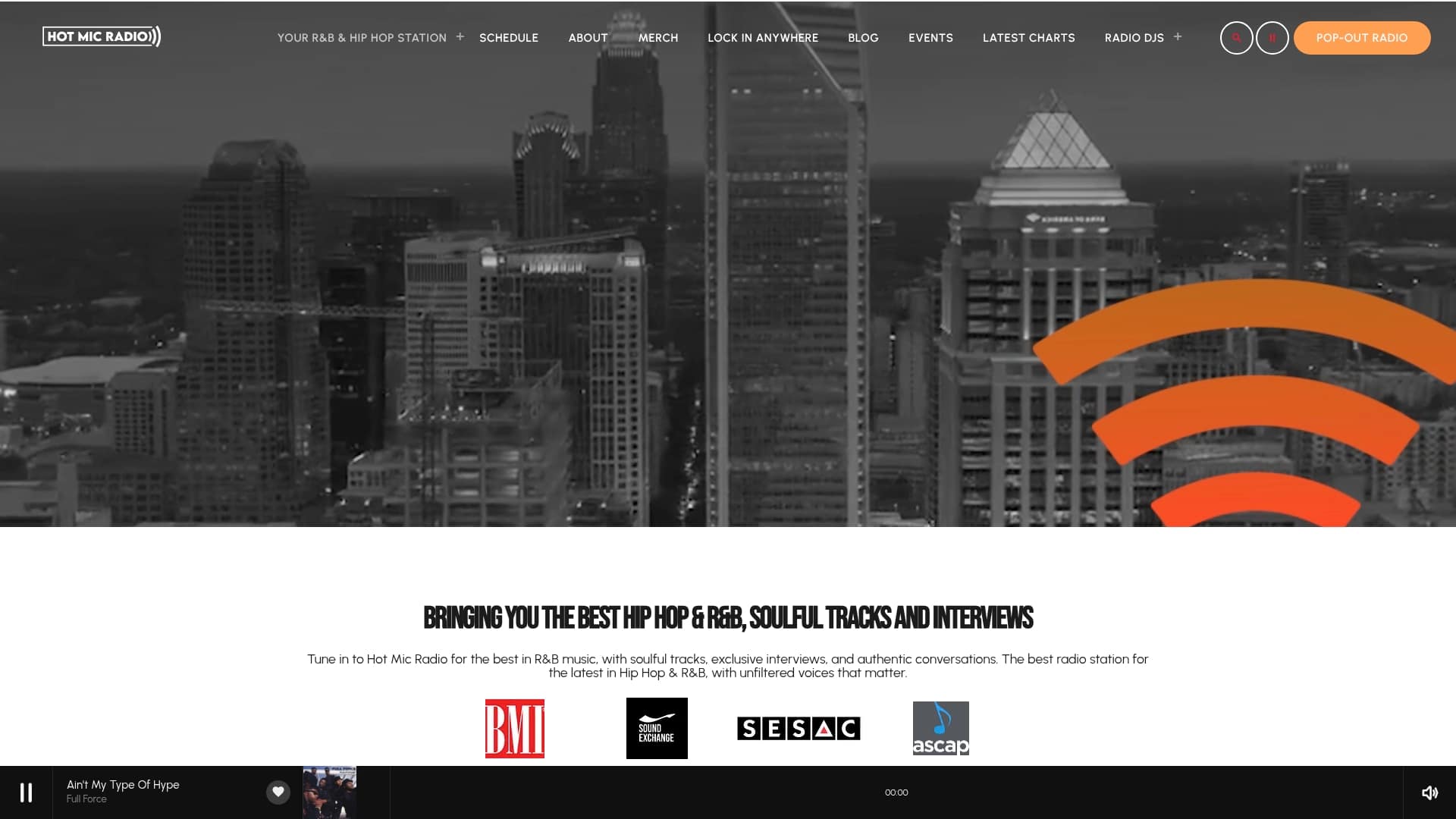
If you’ve got a set that fits our lanes, you can send it through our DJ submission channel, where we lay out exactly what we’re looking for. We also keep a broader music submission hub and a full submission checklist so you’re not guessing at format or metadata requirements before you hit send. When we review a mix, three things jump out fast: a clean tracklist, solid audio quality, and a bit of story or context that tells us who you are and why the set exists. Check out our DJ archives to hear what’s already landed placement, then head to the submission page and follow the checklist closely. That’s genuinely the fastest way to get real consideration from our team.
What Actually Separates A Good Submission From A Great One
Most rejected mixes don’t fail because of the mixing. They fail because of the paperwork around it. Inaccurate ID3 tags, a tracklist with three tracks missing, or a pitch that clearly got blasted to fifty stations at once. All of that tells a curator you didn’t put in the work, even when your transitions are flawless.

The submissions that consistently land placement share a pattern: the mix has a clear through line (a mood, a story, a reason it exists beyond “here are songs I like”), the technical basics are handled without being asked twice, and the pitch reads like it was written for that specific show. That last part matters more than DJs give it credit for. A generic email is easy to spot and easy to ignore. A pitch that references something the host actually did get read differently, because it proves you listened before you asked to be heard.
If there’s one habit worth building right now, it’s treating your submission package the way you’d treat the mix itself: something worth editing twice before you release it.
— Hot Mic Radio Team
Quick Links For Format Specs And Submission Pages
For the exact packaging rules behind everything above, go straight to the source: Mixcloud’s upload page for hosting, Decks&Stories for story-driven guest mixes, and Unchained Radio’s guidelines for format and delivery standards. For outreach and permissions context, Tellingbeatzz covers blogger and media outreach practices worth knowing.
Sources
- Upload your DJ mixes, radio shows or podcasts for free | Mixcloud
- Submit your DJ Mix with a story – Decks&Stories (International DJ Mix Series)
- Submit a Guest Mix — Unchained Radio
- Artist Submissions — FRISKY Support
- Getting your mix heard: a step-by-step guide to submitting DJ sets to radio shows — SubJam
FAQ
Where should I submit my DJ mix first?
Start with radio and online stations or guest-mix series that already play your genre. A tailored pitch to a show that fits your sound beats a mass blast to fifty random outlets every time.
What is the rule of 32 in DJing?
The rule of structuring transitions and phrasing around set beat sections is a common convention in house and techno mixing to keep energy and phrasing aligned. It’s a mixing technique, not a submission requirement, though clean phrasing does make your mix easier for curators to enjoy.
How much do DJs charge for a mix?
Rates vary widely by market, experience, and whether the mix is for a paid gig versus a promotional submission; there’s no standard industry rate. Most guest-mix and radio submissions discussed in this guide are unpaid exposure opportunities, not paid work.
How do I submit music to DJs?
If you’re an artist (not a DJ) trying to get a track played, follow the same core principles: a professional bio, a clean file, and a short, personalized pitch aimed at a specific show. Hot Mic Radio’s music submission hub outlines the format for artist submissions specifically.
What’s the ideal file format for a mix submission?
MP3 at 320kbps is the accepted minimum almost everywhere, and WAV is welcome at most outlets too. Avoid low-bitrate rips; several submission guidelines, including Unchained Radio’s, list 320kbps or higher as a hard requirement.

