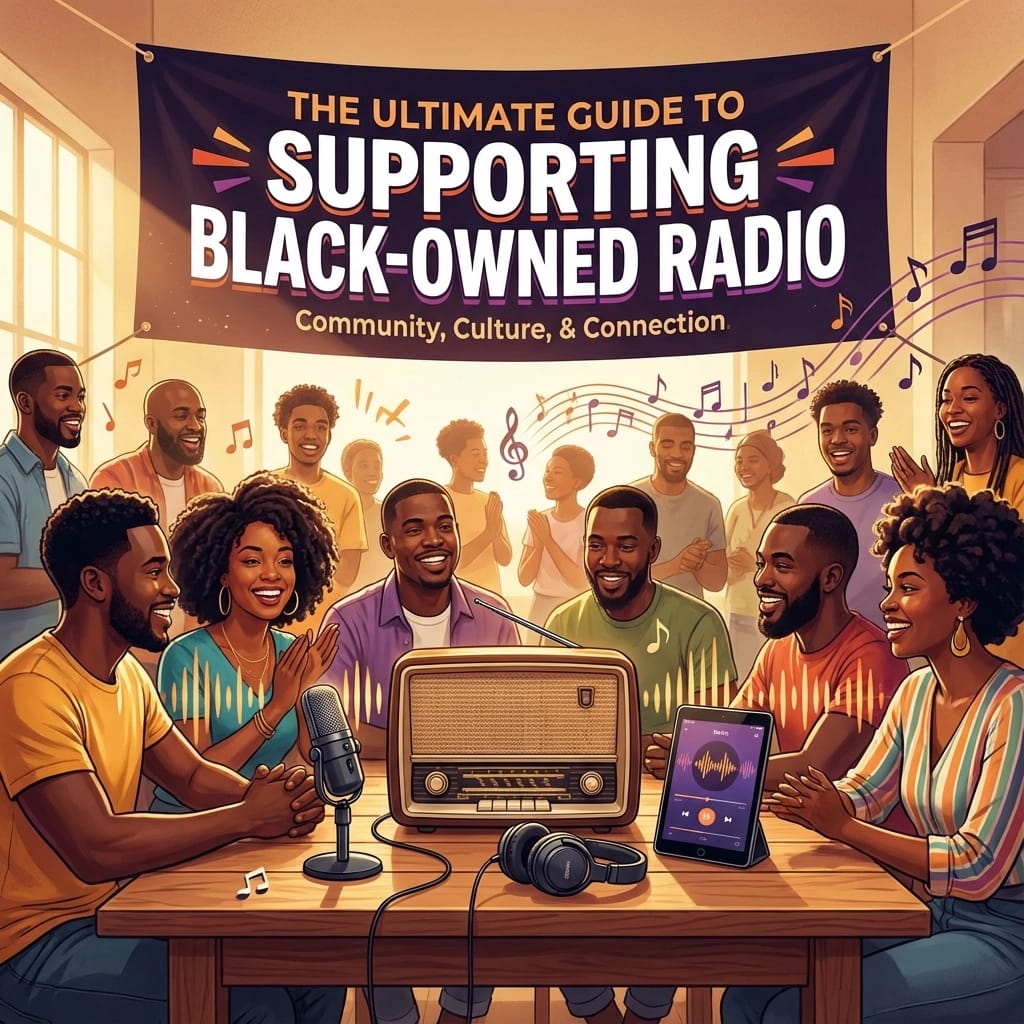
Look, we need to have a real conversation about something that’s been on my mind lately. Black-owned radio is struggling, and most people don’t even realize how serious the situation is. Out of roughly 10,000 commercial radio stations across America, less than 1% are owned by African-Americans. That’s not just a statistic: that’s a crisis.
But here’s the thing: there are still 221 Black-owned radio stations fighting the good fight, including 117 FM and 103 AM stations operated by 97 different ownership organizations. These stations aren’t just playing music; they’re preserving culture, amplifying voices that mainstream media ignores, and keeping communities connected. The question is: how do we make sure they survive and thrive?
Why Black-Owned Radio Matters More Than Ever
Before we dive into the how-to, let’s talk about the why. Black-owned radio stations do something that Spotify playlists and corporate-controlled stations can’t: they tell our stories with authenticity. They’re the ones breaking new artists like DeeBaby and kwn before they hit mainstream radar. They’re hosting community forums about local issues that affect real people. They’re championing emerging, independent, and mainstream Hip Hop and R&B by giving a platform to new talent and established stars alike, even when other stations are still stuck in 2015.
These stations serve as cultural anchors in their communities. When major news breaks, when there’s a local crisis, when young artists need their first break: Black-owned radio is there. But they can’t do it without support.
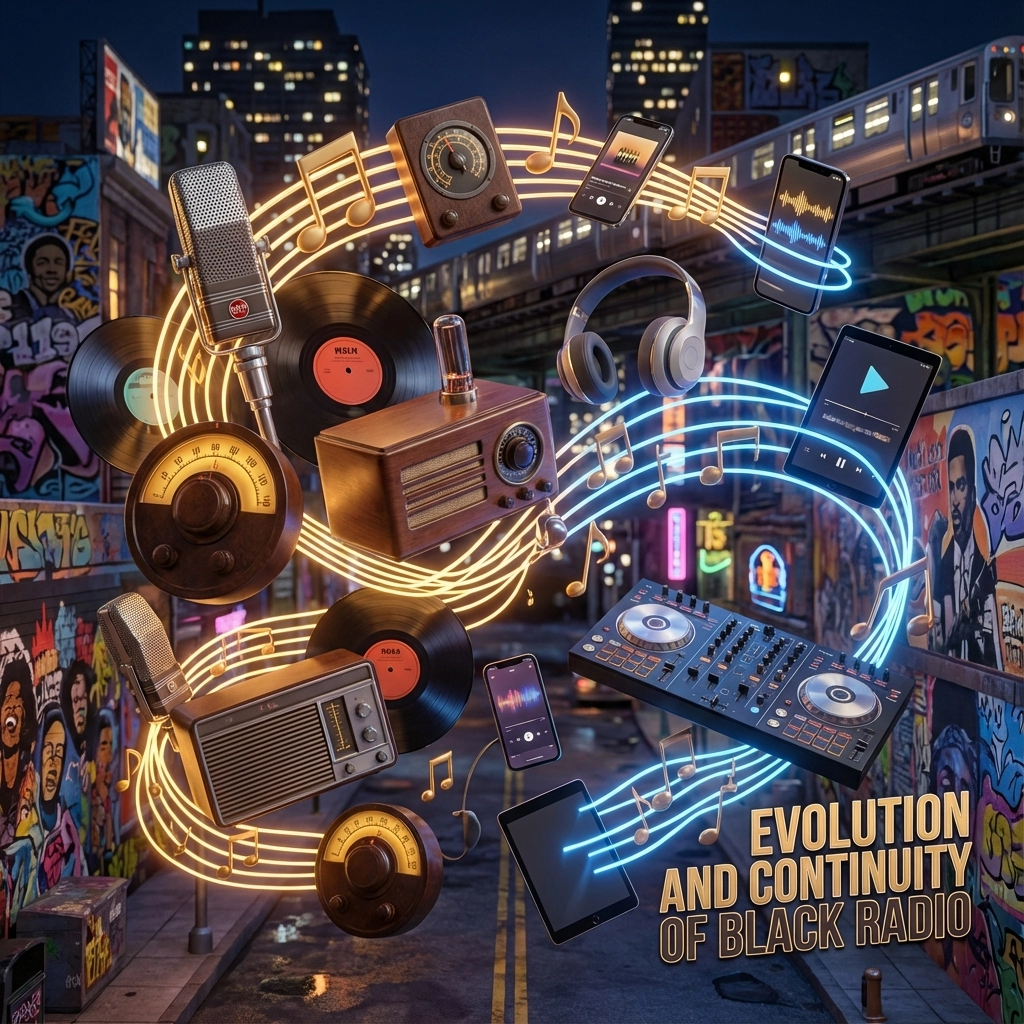
Finding Black-Owned Stations: Your First Step
The first challenge is actually finding these stations. Unlike corporate radio chains that dominate the airwaves with massive marketing budgets, many Black-owned stations rely on word-of-mouth and community connections.
Start with the heavy hitters. Urban One has been speaking to Black America for over 35 years and operates stations like WLOK(AM) in Memphis, WQOK(FM), WFXC(FM), and WIMX(FM)/WJZE(FM). These aren’t just call letters: they’re lifelines to communities that have been underserved by mainstream media.
Then dig deeper into your local market. WJLD 1400 AM in Birmingham, Alabama, holds the distinction of being one of the longest-running African American-owned radio stations in the state. WLOK 1340 AM in Memphis broke barriers as the first African American-owned radio station in that city, offering gospel music, news, and community affairs programming that speaks directly to its audience.
Don’t sleep on gospel stations either. WIGO 1570 AM in Atlanta, known as “The Light,” and WNAH 1360 AM in Nashville are doing incredible work in the inspirational space. These stations often have the strongest community connections and most loyal listeners.
The African-American Public Radio Consortium (AAPRC) is another goldmine: it’s a nonprofit network of nearly 100 African-American, general audience, Latino, and Native-American stations. Check their membership roster to find stations in your area.
Direct Support: Put Your Money Where Your Values Are
Here’s where we get real about supporting Black-owned radio. Listening is great, but these stations need financial support to survive. Here are the most impactful ways to help:
Tune In Consistently: Your listening habits directly impact advertising rates and sponsor interest. Stream their online feeds, download their apps, and make them part of your daily routine. Audience metrics matter more than you think.
Become a Financial Supporter: Many stations offer membership programs or sustaining donor options. Even $10 a month can make a difference when multiplied across a loyal listener base. During pledge drives, step up. These aren’t corporate cash grabs: they’re survival campaigns.
Support Their Advertisers: This is huge. When you hear a local business advertising on a Black-owned station, go there. Spend money. Tell them you heard about them on the radio. This creates a feedback loop that proves the station’s value to potential advertisers.
Sponsor Programming: If you own a business, consider sponsoring shows or segments. It’s often more affordable than you’d expect, and you’re directly supporting content that matters to your community.
Community Engagement: Beyond the Airwaves
Black-owned radio stations are community hubs, not just broadcast outlets. They host events, sponsor local causes, and provide platforms for community voices. Getting involved goes way beyond passive listening.
Attend their events. When stations host concerts, community forums, or fundraisers, show up. These gatherings are where real connections happen and where stations build the relationships that sustain them long-term.
Volunteer your skills. Stations need help with everything from social media management to event planning to technical support. If you have expertise they can use, reach out. Many stations operate on skeleton crews and volunteer contributions make the difference.
Participate in on-air programming. Call in to talk shows, request songs, share community news. Active listener participation makes for better radio and stronger community connections.
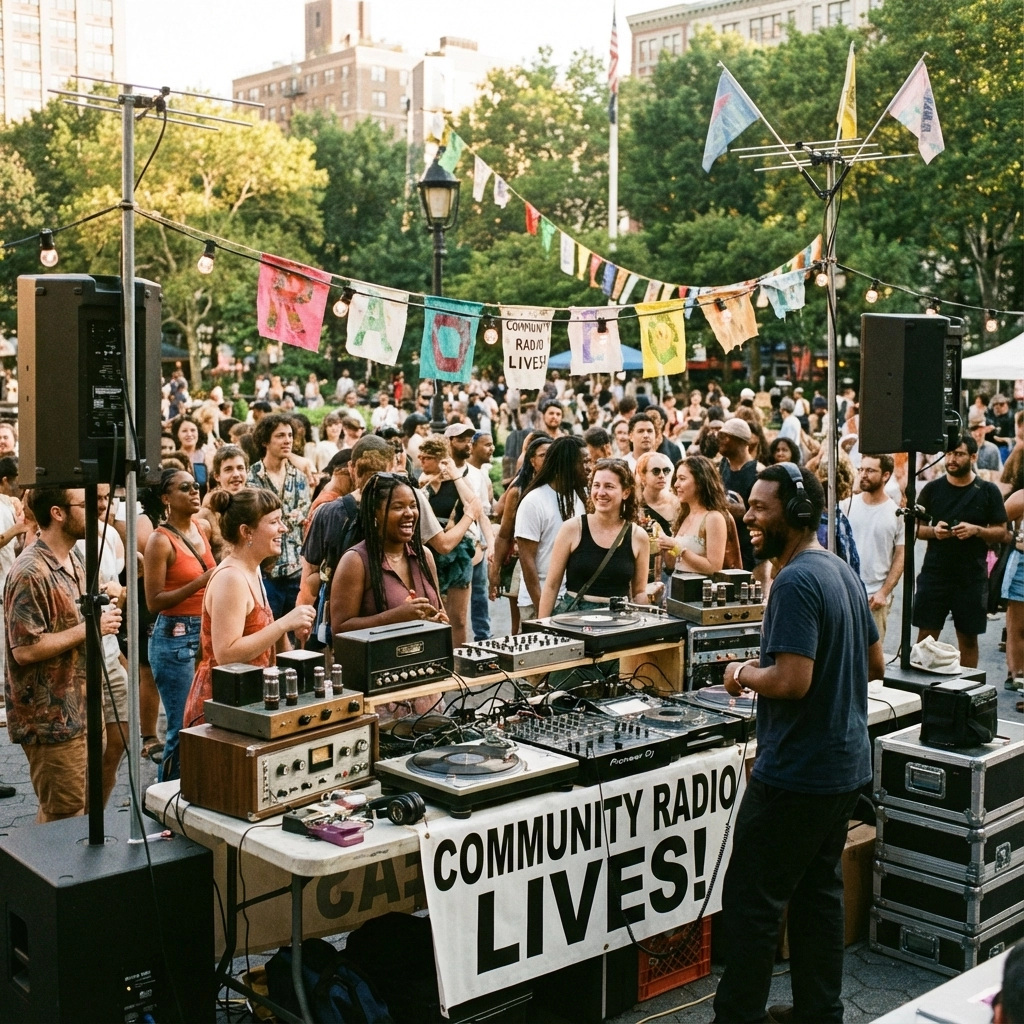
Amplifying Their Reach
One of the biggest challenges Black-owned stations face is visibility. You can help by becoming an advocate in your social circles and online communities.
Share their content on social media. When they post something meaningful, amplify it. Tag friends who would appreciate their programming. Help them break through the algorithm barriers that corporate stations navigate with big marketing budgets.
Encourage local businesses to advertise with them. This might be the most impactful thing you can do. Approach business owners in your community and explain the value proposition of advertising on stations that have loyal, engaged audiences.
Connect them with new audiences. If you discover an artist or hear a great interview, share it with people who would appreciate it. Organic word-of-mouth promotion is incredibly valuable for stations without major marketing budgets.
Making Long-Term Impact
Supporting Black-owned radio isn’t just about keeping existing stations alive: it’s about creating conditions for new ones to emerge and thrive.
Advocate for policy changes that support media ownership diversity. The FCC and other regulatory bodies make decisions that directly impact station ownership opportunities. Stay informed about these issues and support organizations fighting for equitable access to broadcast licenses.
Encourage young people to consider careers in radio and broadcasting. Many stations offer internship opportunities and hands-on training that can launch careers. If you know someone with interest and talent, help make those connections.
Support educational initiatives around media literacy and Black media history. The more people understand the importance of diverse media ownership, the stronger the support base becomes.
The Real Talk
Here’s what it comes down to: Black-owned radio stations are fighting for their lives in an industry that’s increasingly consolidated and corporate-controlled. They’re not asking for charity: they’re asking for the same support that listeners give to corporate stations every day.
When you stream Hot Mic Radio or tune into any Black-owned station, you’re not just consuming content: you’re participating in cultural preservation and community building. You’re ensuring that voices like LÉA THE LEOX and NASAAN have platforms to reach audiences. You’re keeping alive the tradition of DJs who actually know their communities and care about their listeners.
The future of Black-owned radio depends on listeners who understand that supporting independent media isn’t just about entertainment: it’s about maintaining diverse voices in an increasingly homogenized media landscape. Every listen, every dollar, every social media share contributes to that mission.
These stations have been there for our communities through everything. Now it’s time for us to be there for them. The guide is simple: find them, support them, engage with them, and help them grow. The impact is anything but simple: it’s transformational for the communities they serve and the culture they preserve.
Ready to get started? Visit hotmicradio.com and begin your journey supporting authentic Black-owned broadcasting today.


Post comments (0)