
Nobody saw this coming. While everyone was predicting the death of traditional radio, something wild happened in 2025: it came back stronger than ever. And we’re not talking about some nostalgic throwback trend. We’re talking about a full-blown renaissance where cutting-edge technology is actually making old-school radio more powerful, more connected, and more essential than it’s been in decades.
The Plot Twist Nobody Expected
Here’s the thing that’s blowing everyone’s minds: technology didn’t kill radio: it saved it. While streaming platforms were busy fighting each other and social media was drowning in algorithm chaos, radio stations were quietly building something incredible. They took everything that made radio special in the first place: real DJs, local connection, authentic curation: and supercharged it with tech that actually makes sense.
Urban stations, especially those playing Hip Hop and R&B, figured this out first. They realized that their listeners didn’t want to choose between the personal touch of a real DJ and the convenience of modern technology. They wanted both. So that’s exactly what forward-thinking stations started delivering.
The Urban Radio Revolution
The comeback starts with how Hip Hop and R&B stations embraced technology without losing their soul. Take what’s happening with mobile apps: these aren’t just digital versions of the same old thing. Station apps now let you interact with DJs in real-time, request songs instantly, and even get notifications when your favorite tracks drop. But here’s the key: there’s still a real person on the other end who knows the music, understands the culture, and can read the room.
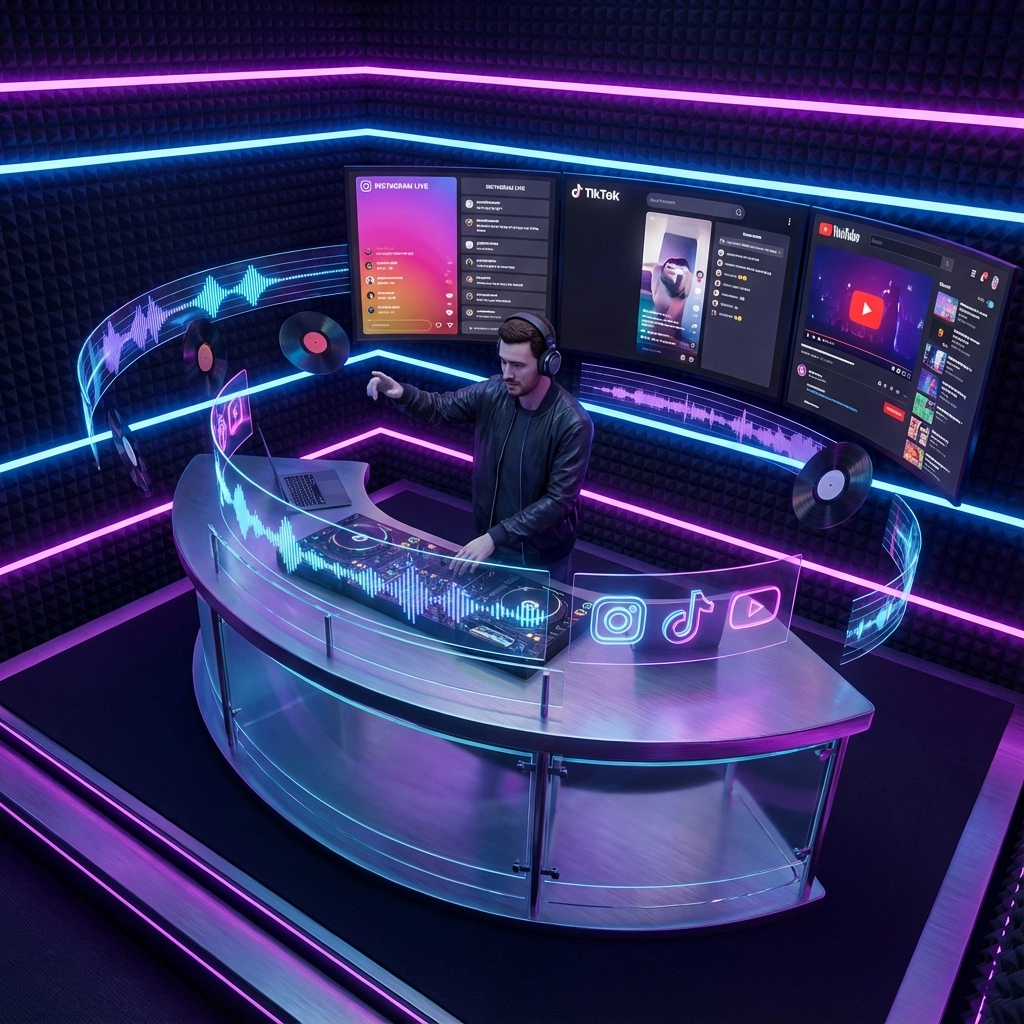
DJ mix shows are getting streamed live on multiple platforms simultaneously. Instagram Live, TikTok, YouTube, plus traditional FM: all happening at once. DJs are building communities across platforms while maintaining that authentic radio energy that algorithms just can’t replicate. It’s like having the best of both worlds: the intimacy of radio with the reach of social media.
Stations are also using AI to help DJs curate playlists, but not replace them. The technology analyzes listening patterns, social media trends, and even local events to suggest what might hit at certain times. But the DJ still makes the final call, adds their personality, and creates those magic moments that only happen when a real human is reading the energy of their audience.
The Podcast Bridge
Here’s where things get really smart. Instead of seeing podcasts as competition, urban radio stations started creating their own podcast content. DJ-hosted shows, artist interviews, behind-the-scenes content: all feeding back into the main radio programming. It’s like having an extended universe where the radio show is the main event, but there’s always more content for people who want to go deeper.
Some stations are recording their best segments and turning them into podcast episodes automatically. Others are creating exclusive podcast content that you can only get if you’re part of their community. It’s not about replacing radio: it’s about giving people more ways to connect with what they already love.
The Real DJ Factor
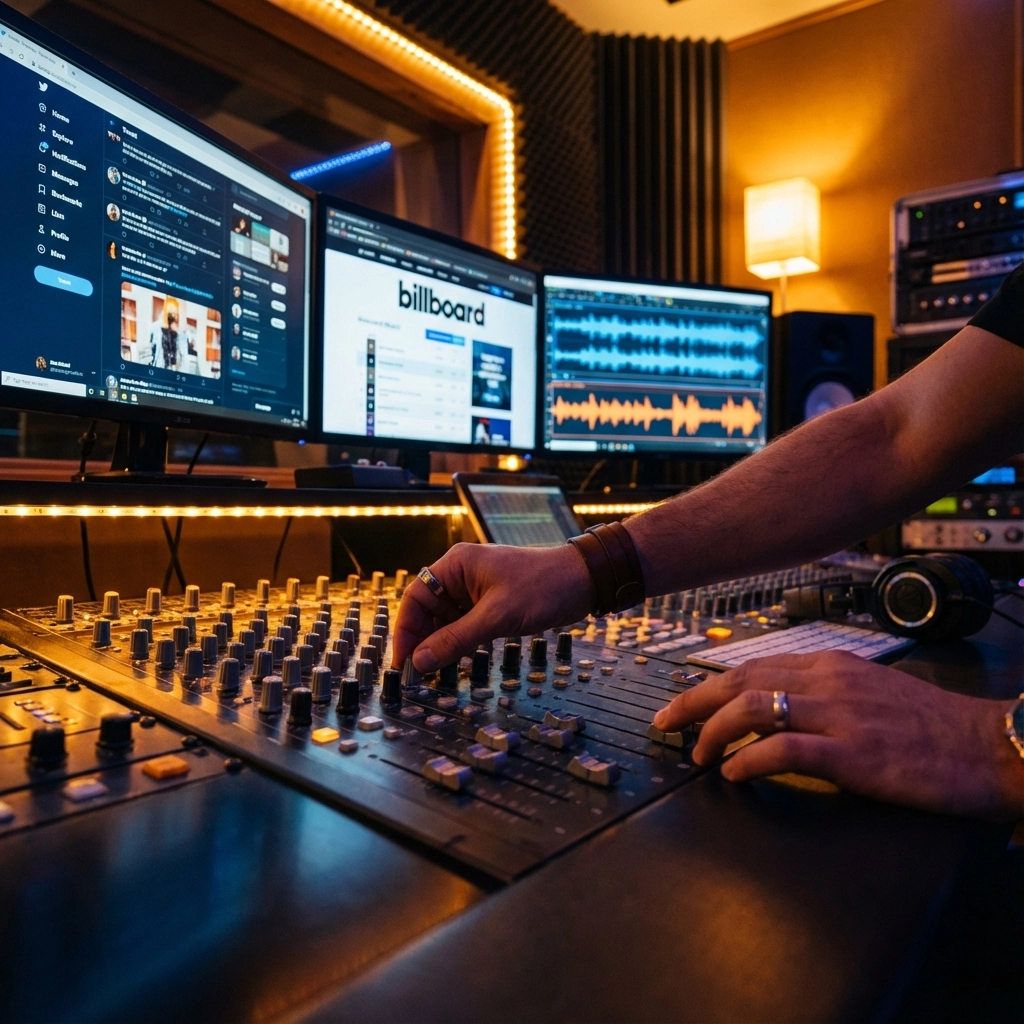
While streaming services were laying off human curators and relying more on algorithms, radio stations doubled down on real DJs: and listeners noticed. In a world of infinite playlists, people started craving someone who actually knows music to help them discover what they didn’t even know they wanted to hear.
DJs are using technology to be better at what they do, not to be replaced by it. Voice tracking software lets them pre-record intros and outros while still maintaining their personality. Social media monitoring tools help them stay connected to what’s trending in their community. Advanced audio processing makes their shows sound cleaner and more professional than ever.
But most importantly, DJs are using technology to build deeper relationships with their listeners. They’re responding to messages in real-time, taking requests through apps, and even doing spontaneous live video sessions to connect face-to-face with their audience. It’s radio, but it’s also community building on steroids.
The Community Connection
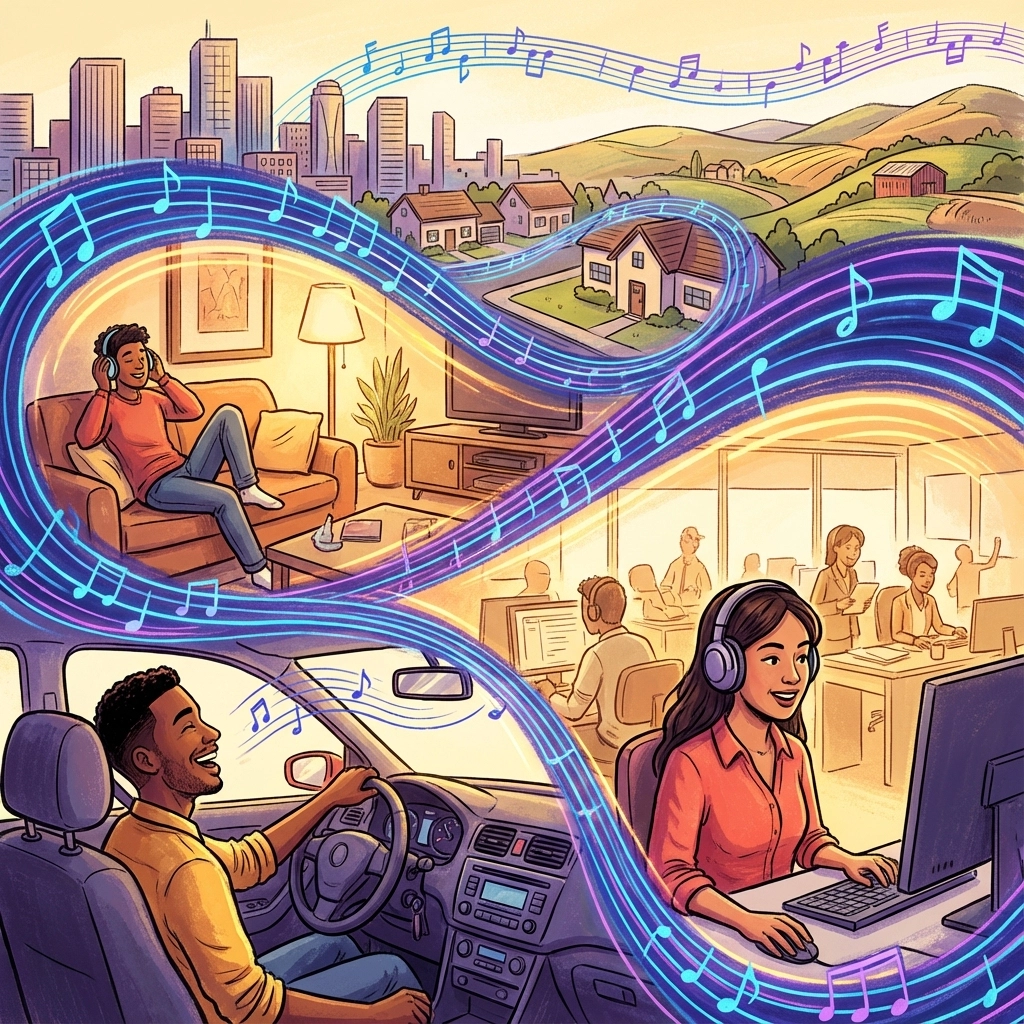
This is where radio’s comeback gets really interesting. While social media algorithms keep people in bubbles, radio stations are using technology to break down those walls and create real community experiences. Stations are hosting virtual listening parties where everyone tunes in at the same time while chatting in real-time. They’re organizing local events promoted through their digital channels. They’re creating hashtags that actually bring people together instead of just generating data.
Local Hip Hop and R&B stations are becoming community hubs again, but now they have digital tools that make that community global. A station in Atlanta might have listeners tuning in from New York, Los Angeles, or even internationally, but they’re all connected through the shared experience of real radio programming.
The Numbers Don’t Lie
The financial picture backs up what listeners are feeling. Traditional radio is projected to generate $12.24 billion in revenue in 2025, while digital radio revenue is set to surge by 6.5% to reach $1.75 billion. That’s not a dying industry: that’s an industry that figured out how to evolve.
Even more telling is how different generations are responding. While younger audiences (18-34) split their time between traditional radio and podcasts, adults 35 and older are spending 73% of their audio time with radio. But here’s the twist: those younger listeners aren’t abandoning radio: they’re just consuming it differently. They’re following their favorite DJs across platforms, engaging with radio content through social media, and discovering new music through radio-produced podcasts.
The podcast advertising market alone is projected to hit $2.385 billion in 2025, growing 9.15%. Smart radio stations aren’t just watching that growth: they’re part of it, creating podcast content that feeds back into their main programming and gives advertisers more ways to reach their audience.
What This Means for Listeners
For music lovers, especially those into Hip Hop and R&B, this radio renaissance means more good music discovery, better curation, and stronger connections to the culture. Instead of endless scrolling through playlists, you get expert curation from people who live and breathe this music. Instead of isolated listening experiences, you get to be part of a community that’s passionate about the same sounds you love.
The technology upgrades mean better sound quality, more convenient ways to listen, and more opportunities to interact with the programming. But the heart of it: real DJs who understand the music and the culture: remains unchanged.
Looking Forward
The radio comeback of 2025 isn’t about going backward: it’s about taking the best parts of traditional radio and amplifying them with technology that actually serves the audience. As streaming platforms become more corporate and algorithm-driven, radio stations that maintain their authenticity while embracing helpful technology are creating something unique and valuable.
For urban music especially, this means stations that understand the culture, support emerging artists, and create real community around the music are not just surviving: they’re thriving. The combination of human curation and technological enhancement is proving to be exactly what listeners didn’t even know they were missing.
This isn’t the comeback anybody predicted, but it’s the comeback that makes perfect sense. In a world drowning in digital noise, authentic voices with the right tech support are cutting through louder than ever. And honestly? It’s about time.


Post comments (0)