



Hip hop didn’t just change music, it rewrote the entire playbook for how culture spreads across the globe. And in 2025, that influence is hitting different. We’re not just talking about baggy jeans and gold chains anymore. Today’s hip hop artists are setting trends that reach from Tokyo streetwear shops to Paris fashion weeks, and the ripple effects are wild.
Let’s be real: hip hop has always been about more than music. It’s about identity, expression, and showing the world who you are before you even open your mouth. But what’s happening now goes deeper than we’ve ever seen before.
The New Blueprint: From Streets to Screens
The game changed when artists realized they weren’t just performers, they’re lifestyle curators. Take a look at how someone like Tyler, The Creator approaches fashion. Dude’s not just wearing clothes; he’s creating entire visual worlds that fans want to step into. His Golf Wang brand doesn’t just sell hoodies, it sells a whole aesthetic philosophy that kids in suburban malls and urban centers alike are trying to capture.
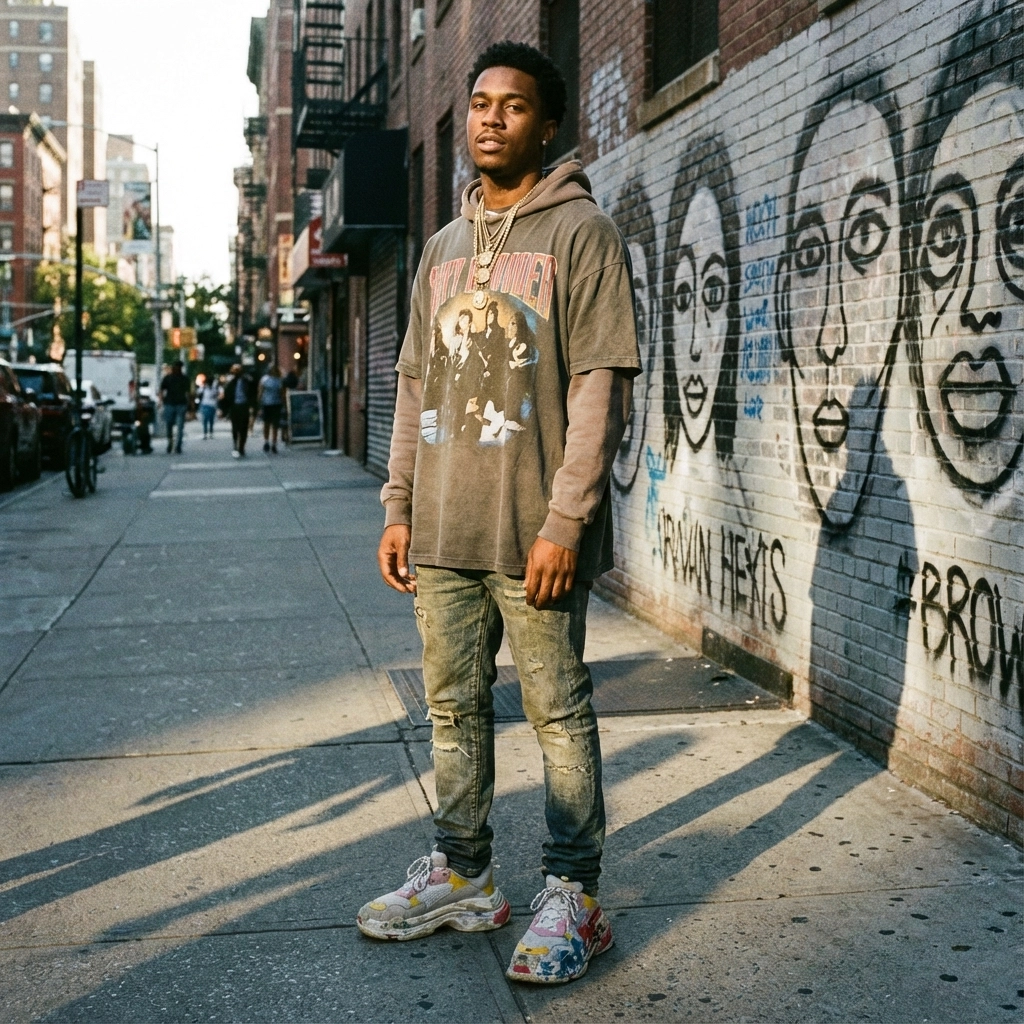
This isn’t accidental. Modern hip hop artists understand that every outfit, every accessory, every visual choice in their music videos becomes a trend signal that bounces around the world faster than their actual songs. When Travis Scott rocks a specific vintage band tee or when Doja Cat shows up in some wild avant-garde piece, those images hit social media and suddenly everyone’s hunting for similar looks.
The Digital Revolution: Fashion in Virtual Spaces
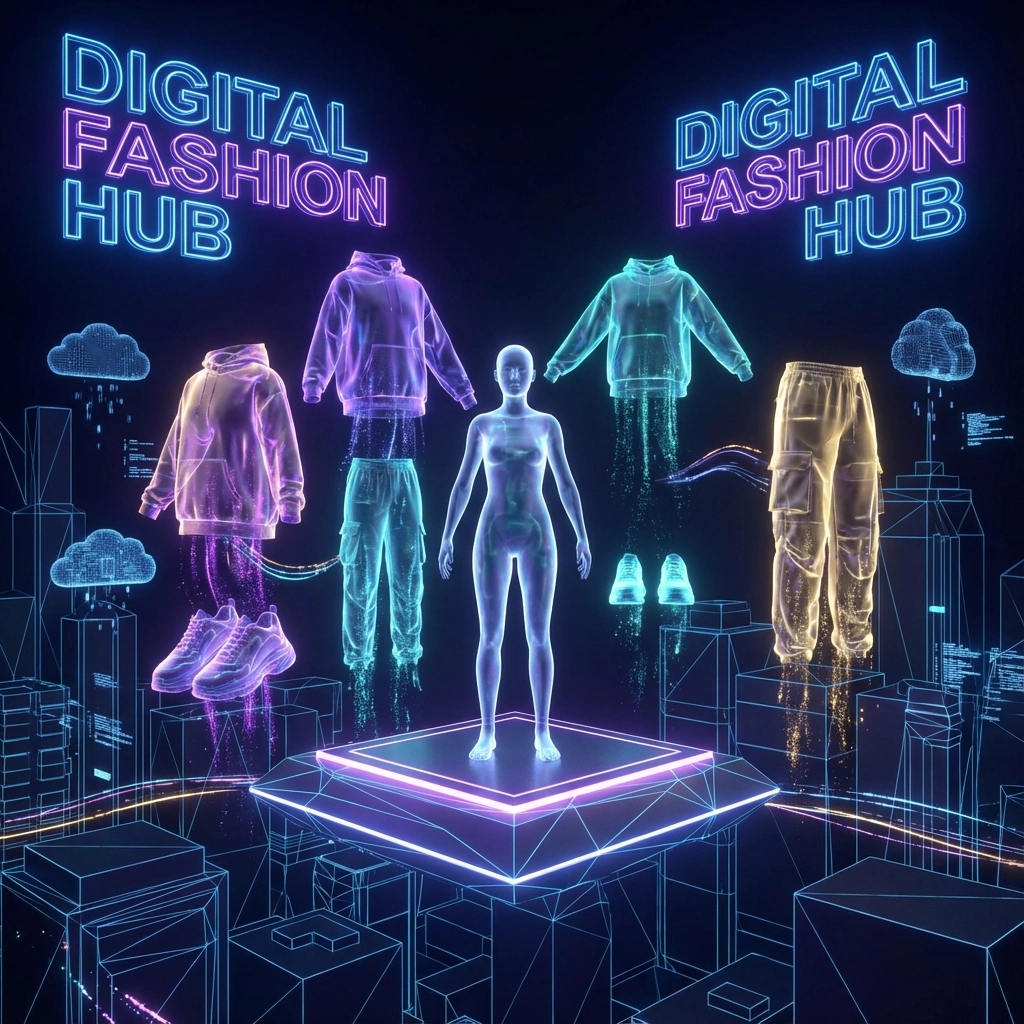
Here’s where things get really interesting. Hip hop culture is pioneering fashion in spaces that don’t even exist in the real world. We’re talking about digital fashion, clothes that only exist on screens, in video games, and in augmented reality filters.
Artists are dropping virtual merchandise collections that fans buy for their avatars in games like Fortnite and Roblox. These digital pieces sometimes cost as much as real clothes, and the crazy part? People are actually buying them. It’s creating entirely new ways for artists to connect with fans and for fashion to express identity.
The AR filters on Instagram and TikTok are another game-changer. Now anyone can “try on” the latest hip hop-inspired looks digitally, share them with friends, and influence what becomes the next big trend. It’s democratizing fashion influence in a way we’ve never seen before.
Breaking Down the Aesthetic: What’s Actually Trending
So what are we actually seeing on the ground? The trends coming out of hip hop culture in 2025 are hitting on multiple levels:
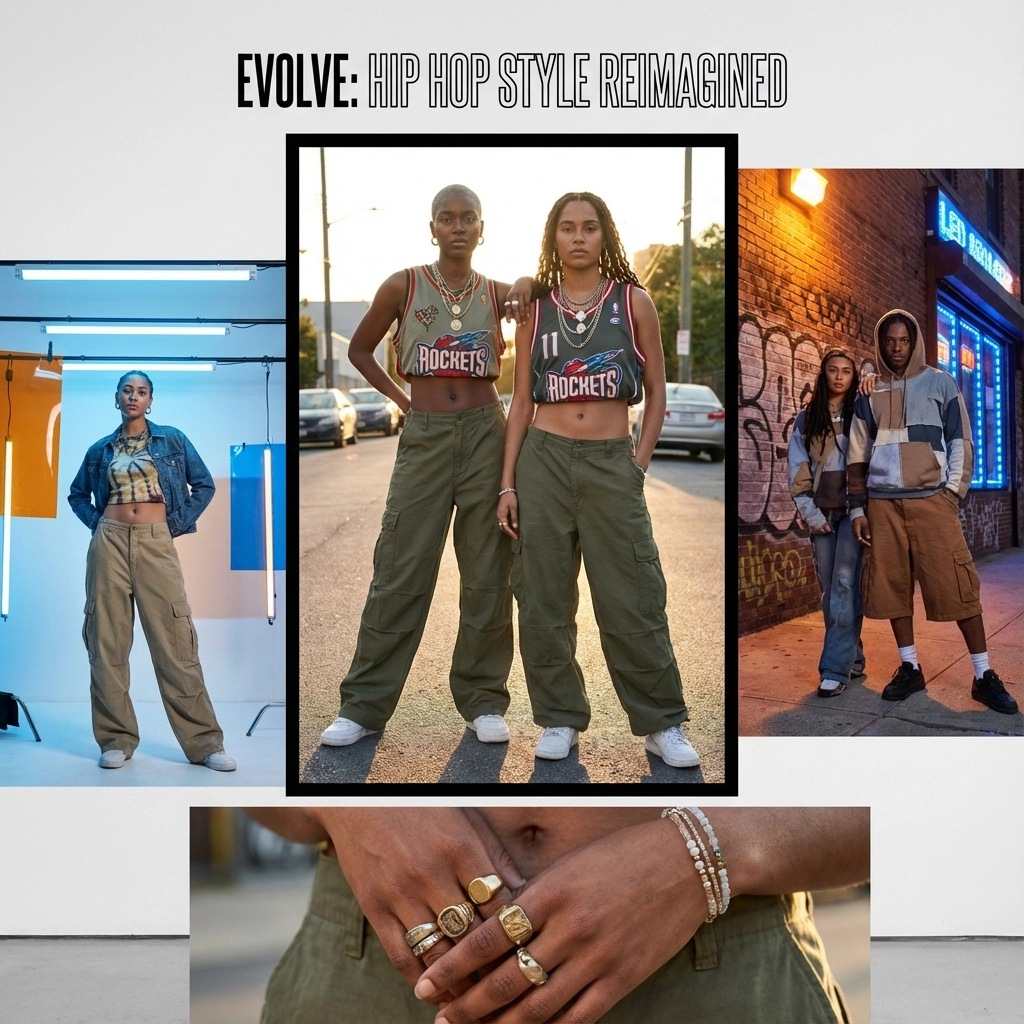
The Retro Revival with a Twist: Early 2000s aesthetics are back, but they’re not just straight copies. Think cargo pants with sustainable materials, oversized jerseys with modern cuts, and bucket hats paired with high-end accessories. It’s nostalgia with a conscience and a contemporary edge.
Maximalist Luxury: The quiet luxury trend? Hip hop said “nah.” We’re seeing artists embrace bold layering: multiple chains, statement watches, designer bags as everyday accessories. It’s about celebrating success and self-expression, not hiding wealth.
Gender-Fluid Expression: Hip hop artists are increasingly experimenting with fashion that doesn’t fit traditional gender boxes. Crop tops on male rappers, oversized masculine silhouettes on female artists: it’s all about personal expression over conformity.
The Culture Export: How Local Becomes Global
What makes hip hop’s fashion influence so powerful is how it translates local culture into global trends. When drill music blew up in Chicago, suddenly the whole world was paying attention to how Chicago artists dressed. When Afrobeats started dominating globally, fashion influences from Lagos and Accra started showing up in New York and London.
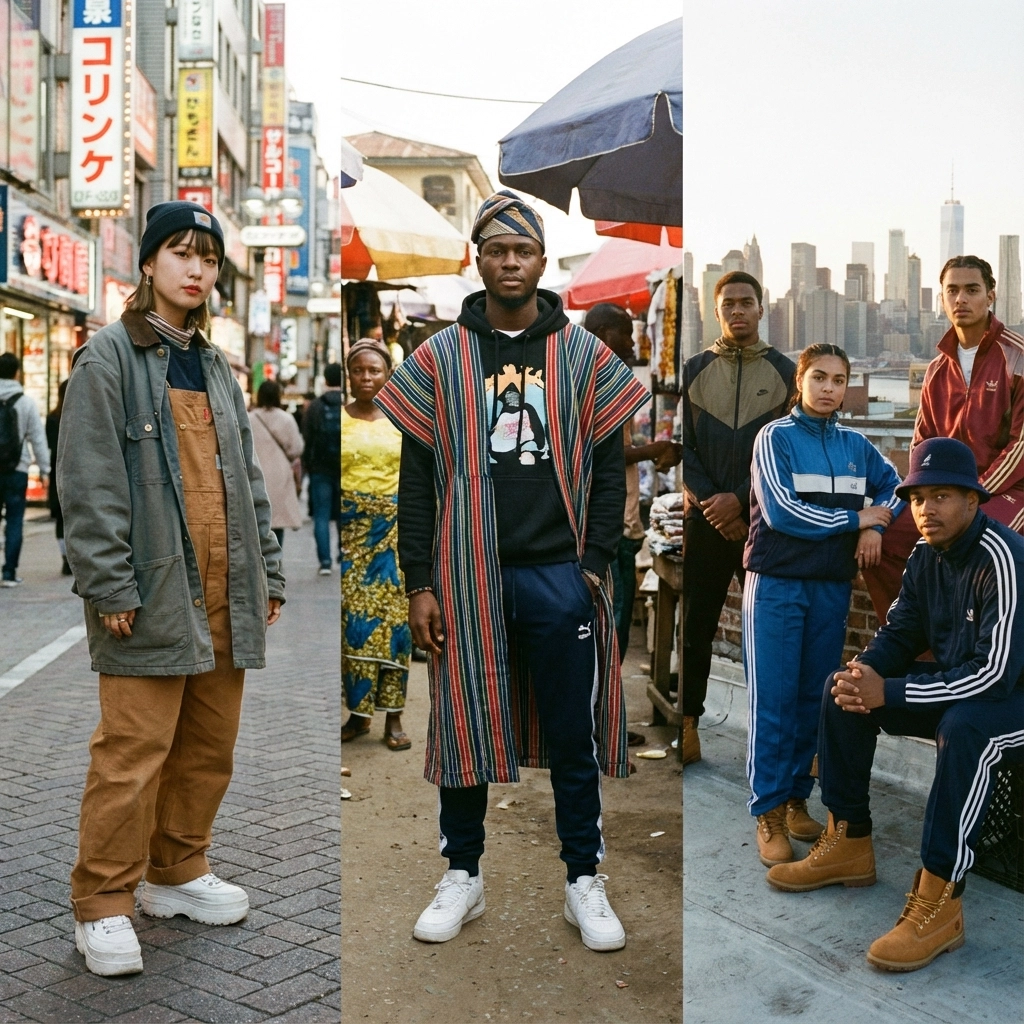
This isn’t just one-directional either. Hip hop artists are increasingly drawing inspiration from global sources: Japanese streetwear, African textiles, Latin American color palettes: and remixing them into something new that then influences fashion worldwide.
The speed of this cultural exchange is unprecedented. A look that debuts in a music video on Monday can be recreated and shared by influencers by Wednesday and showing up in fast fashion stores by the weekend. It’s a feedback loop that’s constantly accelerating.
Beyond the Clothes: Language, Lifestyle, and Attitude
But fashion is just one piece of the puzzle. Hip hop culture is setting trends in how people talk, move, and see the world. Slang that originates in rap songs becomes part of everyday conversation for millions of people who might never listen to hip hop regularly.
The entrepreneurial mindset that’s central to hip hop culture is influencing how young people approach business and creativity globally. The “hustle” mentality, the emphasis on building your own brand, the idea that you can create your own path: these concepts are reshaping career expectations and lifestyle choices far beyond music.
The Technology Integration: Smart Fashion Meets Street Style
Hip hop culture is also at the forefront of integrating technology into fashion in practical ways. We’re seeing artists collaborate on smart jewelry that can display messages, clothing with built-in LED displays, and accessories that connect to social media for real-time expression.
This tech integration isn’t just about showing off: it’s about extending the canvas for self-expression. When your clothes can change color, display messages, or interact with your environment, fashion becomes a more dynamic form of communication.
The Authenticity Factor: Why Hip Hop Fashion Influence Lasts
What sets hip hop fashion influence apart from other trend cycles is its connection to authenticity. These aren’t trends imposed by fashion weeks or marketing campaigns: they emerge from real communities, real experiences, and real expressions of identity.
When a hip hop artist wears something, it usually means something. There’s story behind the choice, whether it’s representing their neighborhood, honoring their heritage, celebrating their success, or making a statement about who they are. That authentic connection is what makes these trends stick and spread.
The Global Youth Connection
Hip hop fashion works globally because it speaks to universal themes that resonate with young people everywhere: the desire to express individuality, the celebration of overcoming challenges, the embrace of creativity and innovation, and the rejection of being told how to live your life.
These messages translate across cultures because they tap into fundamental human desires for self-expression and recognition. Whether you’re in Seoul, São Paulo, or Detroit, hip hop fashion offers a language for communicating your identity and aspirations.
Looking Forward: What’s Next
As we move deeper into 2025, hip hop’s influence on global trends shows no signs of slowing down. If anything, it’s evolving into new territories: sustainable fashion, virtual reality experiences, AI-generated designs that respond to music in real-time.
The next frontier seems to be fashion that tells stories, clothes that carry emotional weight, and accessories that connect people across digital and physical spaces. Hip hop culture, with its emphasis on narrative, authenticity, and innovation, is perfectly positioned to lead these developments.
At Hot Mic Radio, we see this evolution happening in real-time through the artists we feature and the conversations we host. The culture isn’t just setting trends: it’s redefining what it means to express yourself in a connected world.
The influence flows both ways too. As hip hop fashion goes global, it incorporates influences from everywhere it touches, creating something richer and more diverse than what came before. It’s not just American hip hop setting global trends anymore: it’s a global hip hop community creating trends together.
That’s the real power of hip hop culture: it doesn’t just export trends, it creates spaces where cultures can meet, mix, and create something entirely new. And in 2025, those spaces are bigger and more connected than ever before.

Post comments (0)