
The game has changed. Like, really changed.
Remember when getting signed to a major label was the ultimate dream? When artists would spend years shopping demos, waiting for that one A&R rep to change their life? Yeah, that’s starting to feel like ancient history. In 2026, a whole new generation of independent artists is building careers on their own terms, and they’re doing it without ever stepping foot in a label boardroom.
Welcome to the independence movement.
The Old Playbook Is Officially Dead
For decades, the path to success in music looked pretty much the same: get discovered, sign a deal, let the label handle everything from production to promotion, and hope you don’t get shelved or dropped before your second album. Artists traded creative control for the promise of mainstream success, and honestly? A lot of them got burned.
But here’s the thing, the infrastructure that made labels necessary is crumbling. Distribution? You can do that yourself. Marketing? Social media changed that forever. Radio play? Well, that’s where things get interesting.
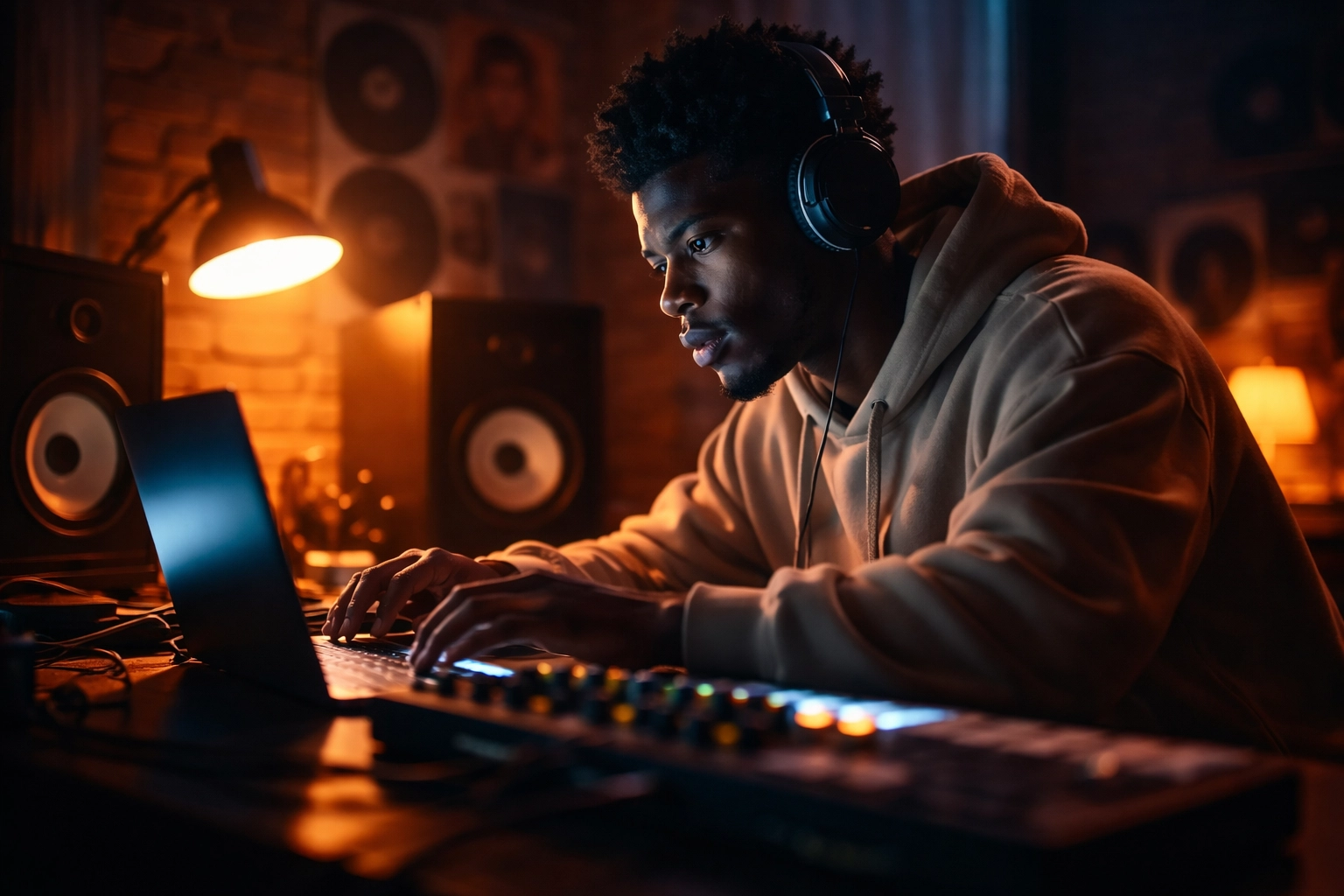
The tools that used to cost hundreds of thousands of dollars are now available to anyone with a laptop and a dream. Production software is more accessible than ever. Direct-to-fan platforms let artists sell music, merch, and experiences without a middleman taking a massive cut. And streaming platforms, especially ones built for discovery like SoundCloud, have become legitimate launchpads for careers that don’t need label backing.
SoundCloud: Still the Proving Ground
Let’s talk numbers for a second. SoundCloud now tracks over 12 million artists across digital streaming platforms. That’s not just a statistic, it’s a movement. And the data tells a compelling story: emerging artists’ SoundCloud plays often rise earlier and more rapidly than their Spotify monthly listeners. Translation? Fanbases are taking root on SoundCloud first, then spreading everywhere else.
The platform has become ground zero for artists who want to build something real before anyone in a suit gets involved. Take bunii, an 18-year-old self-producing alternative rock artist from LA. This kid taught himself production in his early teens, built an entire career through SoundCloud, and became the first artist in the platform’s Ascending program to earn recognition without ever signing a record deal. Not “before” signing, ever.
Or look at BabyChiefDoit, who joined SoundCloud in 2023 and hit the top three most-streamed creators by new users within a year. No label. No major backing. Just the music and the community.
These aren’t flukes. They’re proof of concept.
The Direct-to-Fan Revolution
What makes 2026 different from, say, 2016? It’s all about the direct connection between artists and listeners.
Back in the day, labels controlled access. They decided who got radio play, who got playlist placement, who showed up on magazine covers. Artists were basically at the mercy of these gatekeepers. But now? The gates are wide open, and artists are walking right through.
Here’s what the smartest independent artists are doing:
Dropping exclusives where it matters. SoundCloud demos, Bandcamp-only tracks, early access for email subscribers: these tactics reward the day-one fans who actually build careers. When you make people feel like insiders, they stick around.
Using data like a label would. Successful producers are leveraging built-in analytics to track who’s downloading their music, then finding those fans on social media. One producer mentioned searching listeners’ profiles and finding them performing his tracks live at local shows. That’s organic networking that no label could manufacture.
Building micro-communities. Instead of chasing millions of casual listeners, independent artists are focusing on thousands of devoted fans. Artists like Alison Wonderland built international audiences by leaning into niche communities and collaborating with other underground creators. Quality over quantity.
The result? Artists in SoundCloud’s Ascending program see average stream increases of 170% during their feature month. The platform itself has become a powerful alternative to traditional label promotion: and artists get to keep their masters.
Where Local Radio Fits In
Here’s something the tech-obsessed music industry sometimes forgets: radio still matters. A lot.
But we’re not talking about the same radio your parents grew up with. We’re talking about stations that actually care about breaking new music, stations that give local and independent artists a platform when the algorithm won’t.
That’s where outlets like Hot Mic Radio come in.
Independent artists are discovering that local and digital radio stations offer something streaming algorithms can’t: human curation. A DJ who believes in your music and plays it for their audience creates a connection that no playlist placement can replicate. It’s authentic. It’s personal. And in 2026, authenticity is currency.
The combination of direct-to-fan platforms and independent radio creates a powerful ecosystem. Artists build their core audience online, then amplify through radio play that reaches listeners who aren’t glued to their phones 24/7. It’s the best of both worlds: digital discovery and broadcast reach.
We’ve talked before about how radio is winning over Gen Z and Millennials, and independent artists are taking notice. The stations willing to take chances on unproven talent are becoming essential partners in the independence movement.
The Economics Actually Make Sense Now
Let’s be real: staying independent used to mean staying broke. Labels offered advances that artists couldn’t get anywhere else. But the math has shifted.
When you sign a traditional deal, you might see 15-20% of your streaming revenue: if you’re lucky. The label recoups their investment from your earnings, owns your masters, and controls your release schedule. For most artists, that “life-changing” advance turns into a debt they spend years paying off.
Independent artists in 2026 are keeping 80-100% of their revenue. They’re selling directly to fans through platforms that take minimal cuts. They’re licensing their own music for sync placements. They’re building sustainable careers instead of chasing lottery-ticket success.
Is it harder? In some ways, absolutely. You’re wearing every hat: artist, manager, marketer, accountant. But for creators who value ownership and creative freedom, the tradeoff is worth it.
What This Means for Hip Hop and R&B
The independence movement is hitting Hip Hop and R&B especially hard. These genres have always valued authenticity, and there’s nothing more authentic than an artist who built everything themselves.
Think about it: the culture celebrates self-made success stories. Rappers brag about coming from nothing and building empires. R&B artists connect through vulnerability and realness. The independent path fits that narrative perfectly.
We’re seeing more Hip Hop artists treat their music like startups: reinvesting revenue into better production, smarter marketing, and stronger team-building. They’re not waiting for permission from labels. They’re creating their own lanes.
And radio stations that embrace independent music are becoming tastemakers in a way that major-label-focused outlets can’t. When you’re the one breaking the next big artist, you earn credibility that translates into listener loyalty.
The Future Is Independent
Here’s the bottom line: the artists winning in 2026 aren’t waiting to be chosen. They’re choosing themselves.
The combination of accessible production tools, direct-to-fan platforms, and independent radio has created an ecosystem where talent can rise without label gatekeepers. It’s not easy: nothing worth doing ever is: but it’s possible in ways it never was before.
The next wave isn’t coming. It’s already here. And these artists are building something that belongs entirely to them.
Check out what’s spinning on Hot Mic Radio and discover the independent artists making noise right now. The future sounds pretty good.


Post comments (0)