


Genre Blending Secrets Revealed: What Hip Hop's Power Players Don't Want You to Know About Cross-Genre Success

Look, we’re gonna be real with you. The biggest names in hip hop right now aren’t just making beats and bars anymore, they’re playing chess while everyone else is playing checkers. In 2025, the game has completely shifted, and if you’re not blending genres, you’re getting left behind.
At Hot Mic Radio, we’ve been watching this evolution unfold in real-time, and we’re about to pull back the curtain on exactly how artists are dominating charts by breaking every traditional rule in the book.
The 2025 Hip Hop Landscape: Where Everything Goes
Gone are the days when hip hop artists stayed in their lane. Today’s power players are sampling everything from K-pop to death metal, and they’re making it work. The streaming algorithm doesn’t care about genre purity, it cares about engagement, and nothing gets people engaged like something they’ve never heard before.
Travis Scott’s recent collaboration with a Norwegian death metal band hit number 3 on the charts. Doja Cat’s been experimenting with Brazilian funk rhythms. Even the drill scene in Chicago is incorporating elements of traditional Irish folk music (yeah, you read that right).
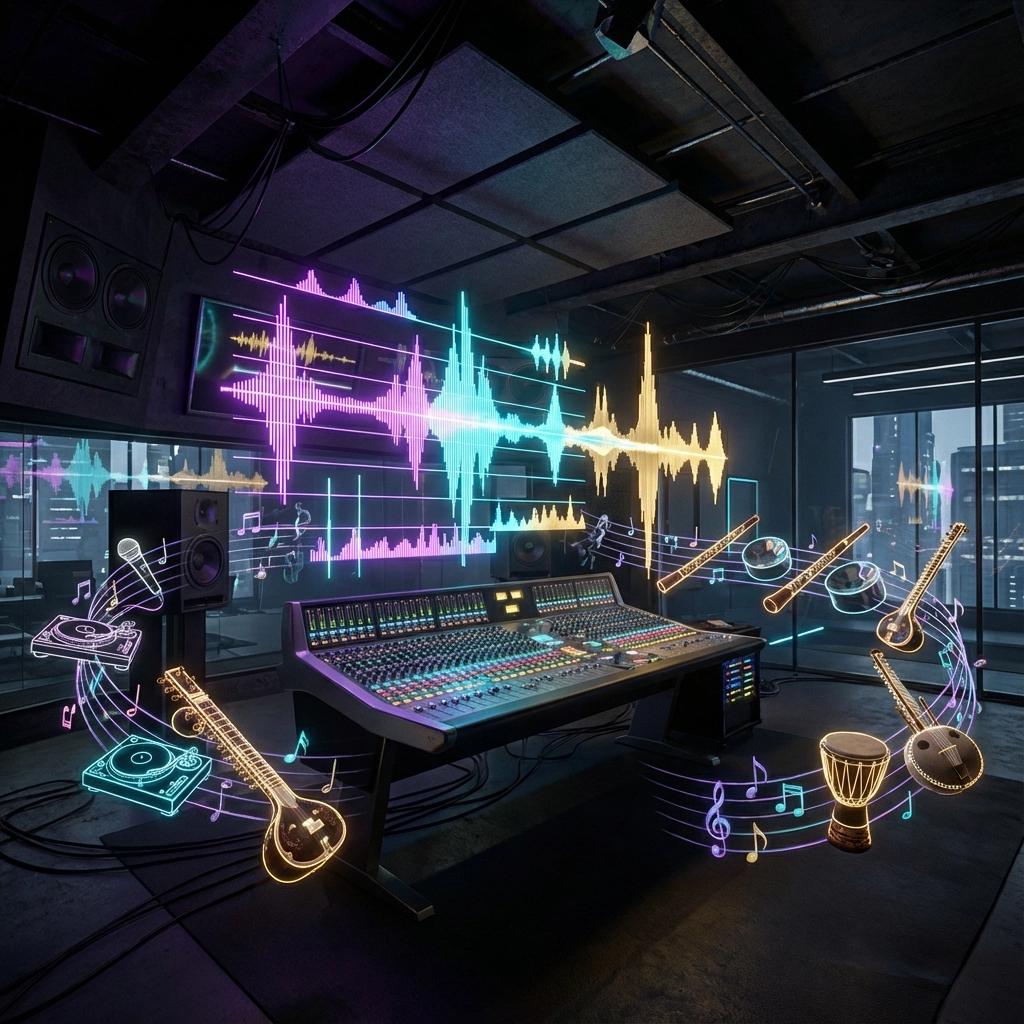
The secret sauce? These artists understand that genre blending isn’t just about throwing random sounds together. It’s about finding the emotional and rhythmic connections between seemingly incompatible styles.
The Strategy Behind the Magic
Here’s what the major labels don’t want independent artists to know: successful genre fusion follows a formula. It’s not some mystical creative process, it’s strategic, and you can learn it.
The 70/30 Rule: Keep 70% of your core hip hop identity intact, then introduce 30% from another genre. This maintains your authenticity while giving listeners something unexpected. When Bad Bunny started incorporating reggaeton with trap, he didn’t abandon his Puerto Rican identity, he amplified it through genre fusion.
Find the Bridge Elements: Every successful cross-genre track identifies what both genres share. Maybe it’s a similar BPM, emotional tone, or rhythmic pattern. Lil Nas X didn’t randomly throw country into “Old Town Road”, he found the storytelling tradition that both country and hip hop share.
Production Layering: The pros use what we call “stealth integration.” They’ll start with a traditional hip hop beat, then gradually introduce elements from the target genre through subtle production choices. A slight delay effect here, an unexpected chord progression there, by the time listeners realize they’re hearing something different, they’re already hooked.
Real Talk: How the Big Players Actually Do It
Let’s break down some techniques that are working right now in 2025:
The A&R Approach: Major labels are hiring A&Rs who specialize in specific international genres. They’re not just looking for the next hot rapper, they’re looking for someone who can authentically bridge hip hop with Afrobeats, K-pop, or Latin trap. These A&Rs become cultural translators, ensuring the fusion feels natural rather than forced.
Studio Sessions with Unlikely Collaborators: You know those random features that make you go “how did that happen?” They’re not random. Labels are strategically pairing artists from different backgrounds for extended studio sessions. No pressure, no forced collabs, just artists hanging out, sharing music, and naturally finding connection points.

The Playlist Strategy: This one’s genius. Labels study playlist data to see which non-hip hop songs their target demographic also listens to. Then they create beats sampling or inspired by those exact genres. It’s demographic research disguised as creativity.
The Independent Artist Playbook
Now here’s the part where we help level the playing field. You don’t need a major label budget to execute these strategies.
Start with Your Community: Look at your local music scene. What genres are popping in your city that aren’t getting mainstream attention? Every region has its musical personality. In Houston, it might be conjunto. In Miami, it could be Caribbean dancehall. Find what’s authentic to your environment and run with it.
Collaborate Locally First: Before reaching out to artists across the country, connect with local musicians from other genres. A jazz saxophonist, a punk guitarist, a mariachi trumpet player, these connections often lead to the most authentic fusions because you’re building real relationships.
Use Technology as Your A&R: Platforms like Splice and BandLab have democratized access to sounds from around the world. But here’s the pro tip: don’t just download loops. Study the musical theory behind them. Understand why that Brazilian funk bassline hits different, or how K-pop producers structure their chord progressions.

Master the Art of Subtle Introduction: Don’t announce your genre fusion, let listeners discover it. Start your track with familiar hip hop elements, then gradually introduce the unexpected. By the time they realize they’re listening to hip hop mixed with polka (stranger things have charted), they’re already vibing to it.
Spotting the Next Wave Before It Hits
Want to stay ahead of the curve? Here’s what Hot Mic Radio DJs watch for:
Immigration and Cultural Movements: New sounds often come from communities bringing their musical traditions to hip hop hubs. When Venezuelan communities started growing in certain U.S. cities, Venezuelan folk elements started appearing in local hip hop scenes within two years.
TikTok Sound Trends: Yeah, we know it sounds basic, but TikTok trends often predict what will work in genre fusion. When sounds from specific cultures start trending on social media, hip hop artists take notice.
Festival Lineups: Major music festivals test genre combinations before they hit the mainstream. When you see a hip hop artist sharing a stage with a polka band, that’s not random: that’s market research.
The Production Secrets They Don’t Teach
Let’s get technical for a minute. Here are some studio tricks the pros use for seamless genre blending:
Harmonic Bridging: Instead of jarring key changes, successful genre fusion uses harmonic progression to smoothly transition between musical styles. A skilled producer will identify chord progressions that exist in both genres and use them as bridges.
Rhythmic Anchoring: The kick and snare pattern usually stays true to hip hop, while other percussion elements introduce the secondary genre. This maintains the head-nod factor while expanding the sonic palette.
Cultural Authenticity Checks: This is crucial. Many successful artists work with cultural consultants or collaborate directly with artists from the genres they’re sampling. It’s not just about legal clearance: it’s about respect and authenticity.

How Hot Mic Radio Fits Into All This
We’ve been featuring genre-blending artists since before it was trendy. Our DJ lineup includes specialists who understand music from multiple cultural perspectives, and we’re always breaking new artists who are pushing boundaries.
When you tune into our Monday schedule, you’re not just hearing the latest hits: you’re hearing the future. Our DJs have their ears to the ground in communities across the country, identifying fusion trends months before they hit Billboard.
The Bottom Line
Genre blending isn’t going anywhere. In 2025, it’s become the standard rather than the exception. The artists who master this approach aren’t just creating interesting music: they’re building global audiences and extending their career longevity.
The power players understand that authenticity beats technical perfection every time. They’re not trying to perfectly replicate other genres: they’re finding ways to honor them while staying true to their hip hop roots.
For independent artists, this represents the biggest opportunity in decades. You don’t need major label connections to access sounds from around the world. You just need the curiosity to explore, the patience to understand, and the creativity to connect.
The next time you hear a track that makes you think “how did they come up with this?”, remember: it’s not magic. It’s strategy, respect for musical traditions, and a willingness to take creative risks.
Now stop reading and go make something the world hasn’t heard before.


Post comments (0)