

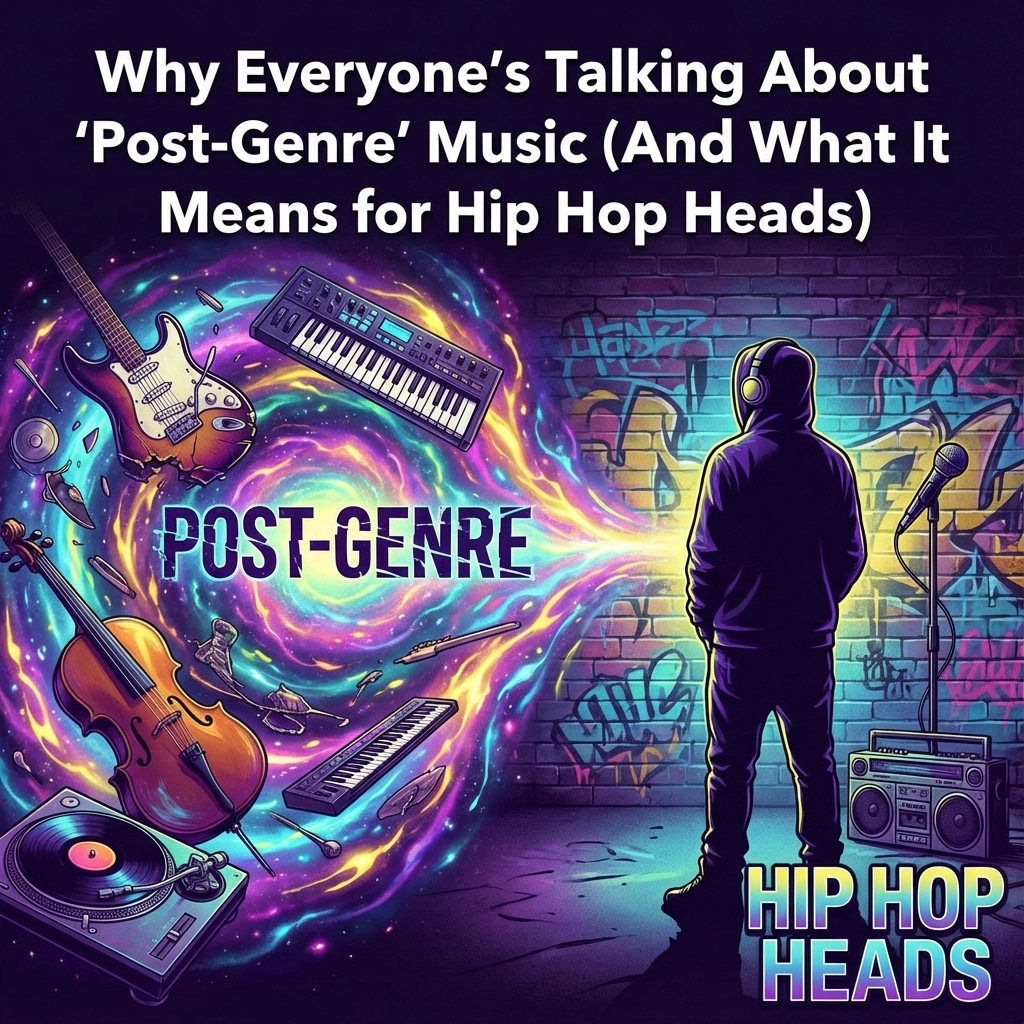
If you’ve been paying attention to what’s been dropping lately, you’ve probably noticed something wild happening in music. Artists aren’t staying in their lanes anymore: and honestly, the lanes themselves are disappearing. Welcome to the post-genre era, where the old rules of “this is hip hop” and “that’s R&B” are getting tossed out the window faster than yesterday’s playlist.
What Exactly Is Post-Genre Music?
Post-genre music is exactly what it sounds like: music that exists beyond traditional genre boundaries. We’re talking about tracks that seamlessly blend hip hop beats with EDM drops, R&B vocals over rock guitars, and trap drums under country melodies. These aren’t just “featuring” collaborations anymore; they’re full-blown genre mashups that create something entirely new.
Think about how Lil Nas X broke the internet with “Old Town Road”: was it hip hop? Country? Both? Neither? That confusion you felt trying to categorize it? That’s post-genre working its magic. The song didn’t fit into Billboard’s neat little boxes, and that’s exactly why it dominated charts for months.
But this isn’t just about one viral hit. Post-genre represents a fundamental shift in how artists approach music creation. Instead of asking “What genre am I making?” creators are asking “What sounds good together?” And the results are reshaping what we expect from our favorite artists.
Why 2026 Is the Year Everything Changed
Several factors have aligned to make 2026 the breakout year for post-genre music. First up: streaming platforms have completely changed the game. When Spotify and Apple Music prioritize individual tracks over full albums, artists don’t need to maintain genre consistency across 12-15 songs anymore. They can drop a trap banger on Monday and an R&B slow jam on Thursday without confusing their audience.
Social media algorithms have also played a huge role. TikTok doesn’t care if your 15-second clip is “proper” hip hop or R&B: it only cares if it goes viral. This has freed artists from traditional genre expectations and encouraged experimentation that would have been career suicide in the old record label system.
The generational shift can’t be ignored either. Gen Z and younger millennials grew up with iPods on shuffle, YouTube rabbit holes, and Spotify’s genre-hopping playlists. They’re “label-agnostic” across all areas of life, from gender expression to career paths: so why would their music taste be any different?
Globalization has accelerated this trend too. Artists like Tyla are bringing South African amapiano sounds into mainstream American radio, while K-pop influences show up in unexpected places. What used to be regional or cultural music styles are now part of a global conversation happening in real-time across streaming platforms and social media.
Hip Hop’s Role as the Great Genre Blender
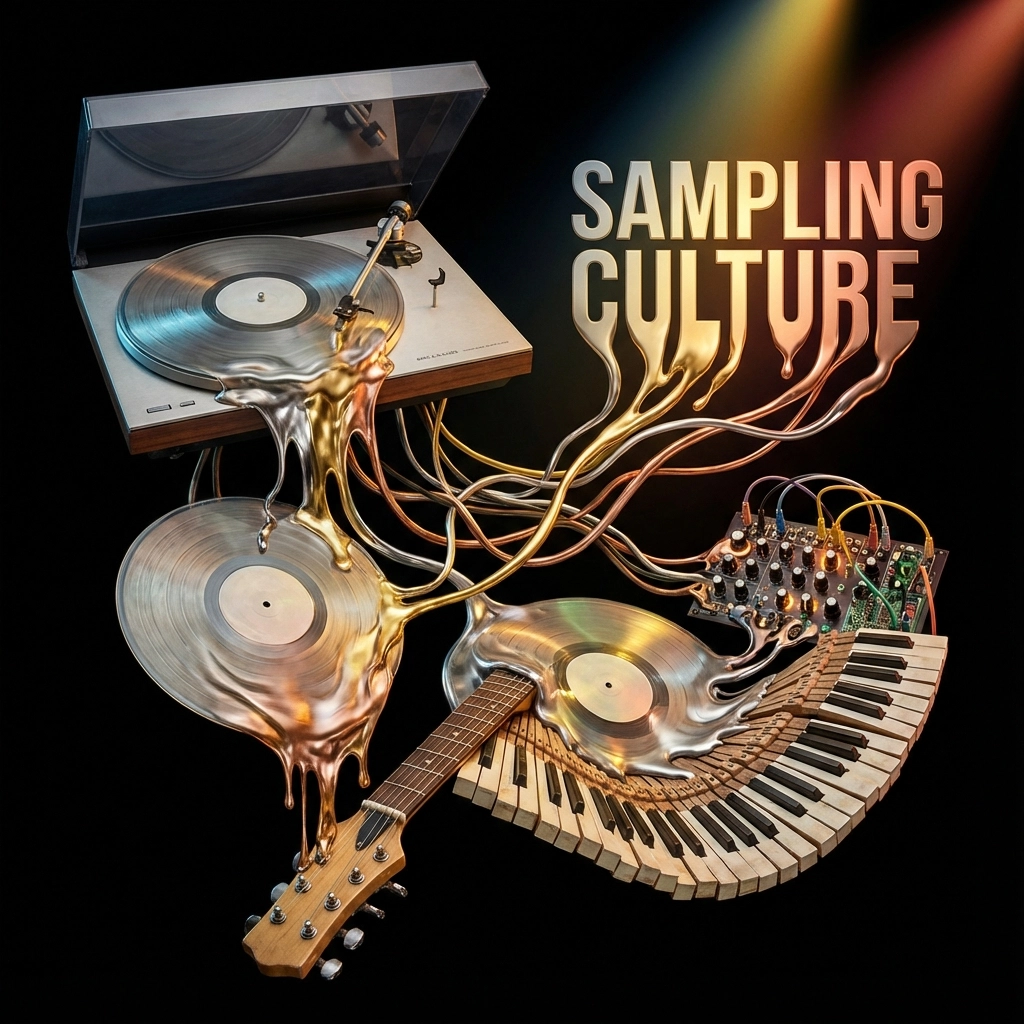
Here’s where it gets interesting for hip hop heads: our culture has been the driving force behind this post-genre movement from day one. Hip hop was built on sampling, remixing, and reimagining existing sounds. We’ve always been genre rebels: from Grandmaster Flash chopping up disco records to Kanye flipping soul samples to current producers pulling from everything under the sun.
The difference now is that other genres are finally catching up to what hip hop has always done. Pop artists are taking cues from hip hop by releasing more collaborative tracks and unexpected feature combinations. When you see Maroon 5 getting Kendrick Lamar on a track, or country artists working with trap producers, that’s hip hop’s influence spreading through the entire music industry.
Artists like Travis Scott have been pioneers in this space, blending hip hop with EDM, rock, and psychedelic sounds to create something that defies easy categorization. His approach to live performance: massive, genre-crossing spectacles: has influenced everyone from pop stars to indie artists.
But it’s not just the superstars. Rising artists are using post-genre approaches as their entry point into the industry. Instead of trying to fit into established hip hop sub-genres, they’re creating their own sonic landscapes that pull from multiple influences. This gives them more creative freedom and potentially broader appeal across different fan bases.
What This Means for Hip Hop Fans
As hip hop heads, we’re in a unique position during this post-genre revolution. On one hand, we’ve been here all along: hip hop’s DNA is built on genre-blending, so this feels natural to us. On the other hand, we’re watching our culture’s influence reshape the entire music landscape in real-time.
This shift means we’re going to hear hip hop elements in places they’ve never been before. Rock bands are incorporating trap drums, country artists are using hip hop vocal delivery styles, and electronic producers are sampling classic rap records. For some fans, this might feel like dilution. For others, it’s proof that hip hop has become the dominant cultural force in music.
The streaming era also means hip hop fans have more power than ever in determining what becomes popular. Playlist inclusion, social media buzz, and fan engagement can make or break a track regardless of its genre classification. This democratic approach to music discovery benefits innovative artists who might not fit traditional industry expectations.
How Hot Mic Radio Is Staying Ahead of the Curve
At Hot Mic Radio, we’re not just watching this post-genre revolution: we’re actively participating in it. Our programming reflects the reality of how people actually listen to music in 2026, not how industry executives think they should listen to it.
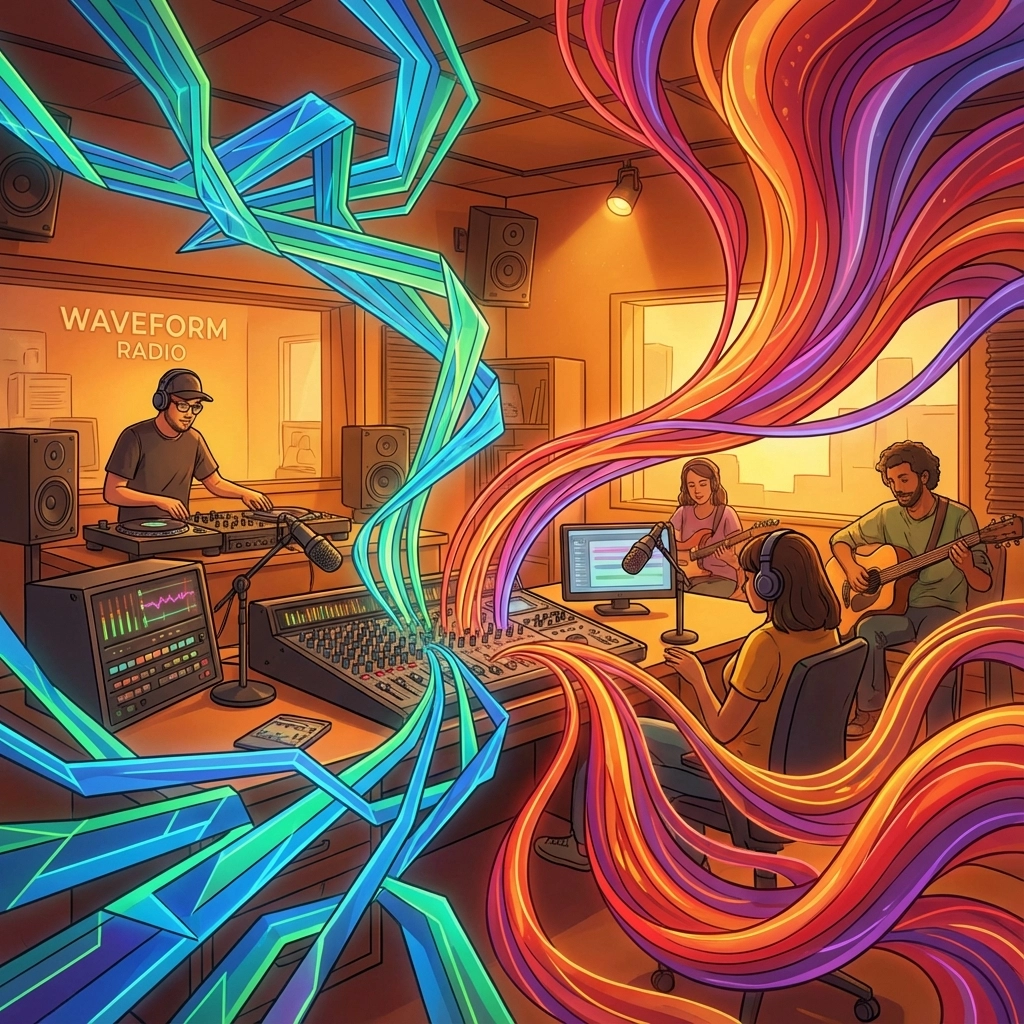
We’re featuring artists who are pushing boundaries, whether they’re hip hop producers experimenting with jazz fusion, R&B singers incorporating electronic elements, or rock bands sampling classic breaks. Our DJs are curating sets that flow naturally between genres because that’s how music actually works in the streaming age.
This approach keeps us relevant to listeners who want more than just genre segregation. When someone discovers a new artist through our station, they’re not just getting exposed to one style: they’re getting educated about the broader musical conversation happening right now.
The Future of Genre-Free Music
Looking ahead, post-genre music isn’t just a trend: it’s becoming the new normal. As traditional industry gatekeepers lose influence and artists gain more creative control, we’ll see even more experimentation and boundary-pushing.
This evolution benefits everyone involved. Artists get more creative freedom, fans get more diverse music options, and the overall culture becomes more innovative and inclusive. For hip hop specifically, it means our foundational principles: sampling, remixing, cultural fusion: are being validated on a global scale.
The old model of strict genre categories served the record industry’s marketing needs, but it never really served the music or the fans. Post-genre music represents a return to what music has always been at its core: a conversation between different sounds, cultures, and communities.
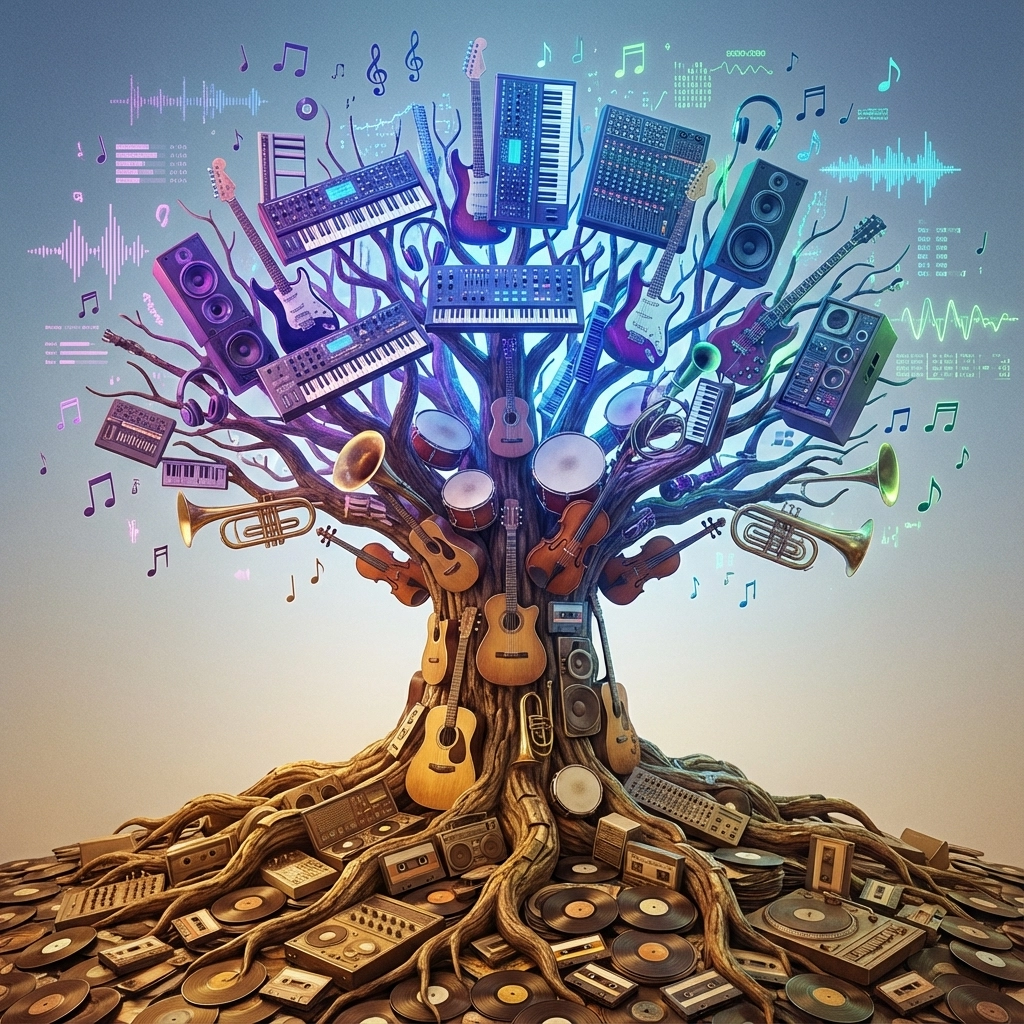
As we move deeper into 2026, expect to hear even more genre-defying collaborations, unexpected musical fusions, and artists who refuse to be boxed into traditional categories. The future of music is post-genre, and hip hop culture is leading the way.
For hip hop heads, this isn’t really about adapting to something new: it’s about recognizing that the rest of the music world has finally caught up to what we’ve always known: the best music happens when you stop worrying about categories and start focusing on creativity.
Post comments (0)