

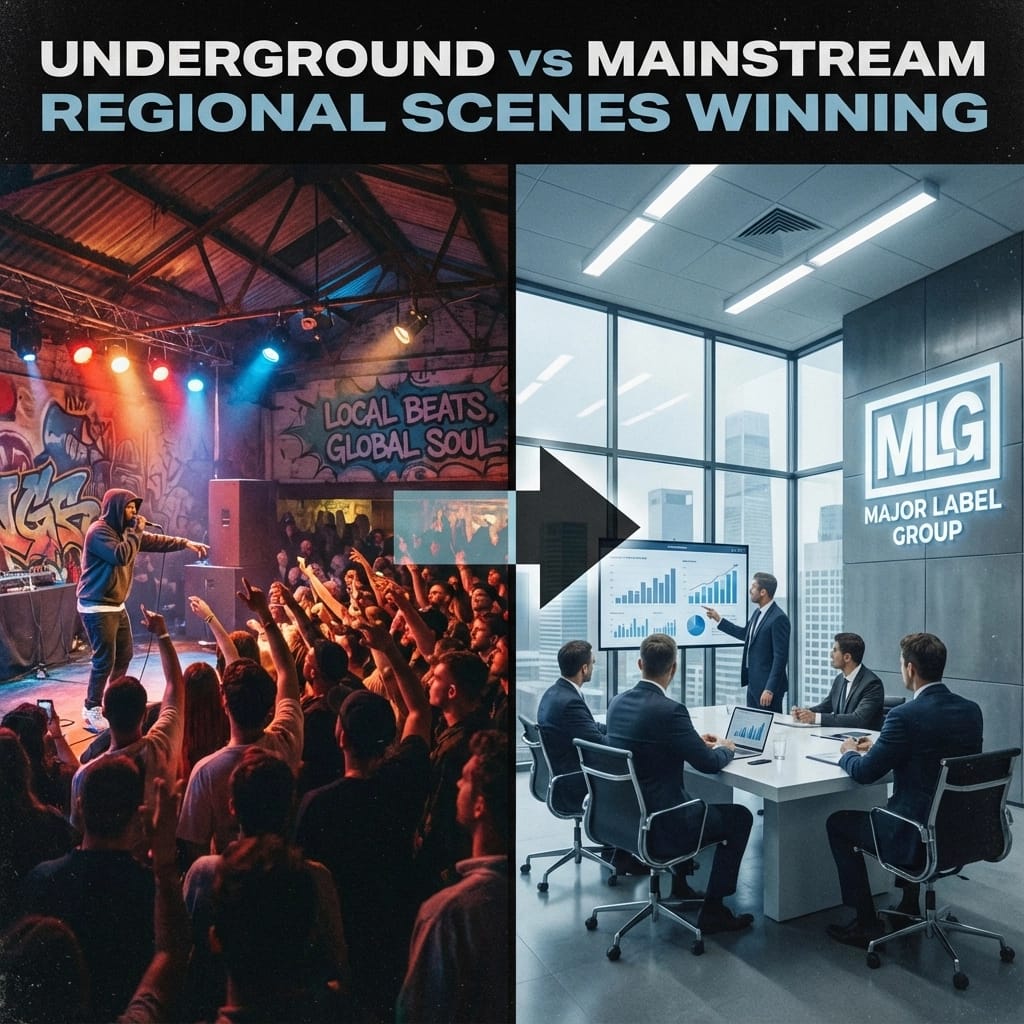
Something’s happening in hip hop right now, and it’s not what the major labels want to hear. While mainstream rap struggles to keep up with streaming numbers and radio play, underground and regional scenes are absolutely crushing it. We’re talking about a complete flip of the script that’s been building for years and finally hit its peak in 2025.
The numbers don’t lie – and they’re pretty shocking when you dig into them.
The Mainstream Struggle Is Real
Let’s start with the cold, hard facts. Mainstream hip hop’s commercial performance hit historic lows this year. On Spotify’s global chart, there were days in December 2025 where only four hip hop songs made the cut. Four. That’s the lowest number in the platform’s 9-year history. To put that in perspective, five years ago we were seeing 56 rap songs on those same charts.
What’s even crazier? Major labels are actively pulling back from hip hop. Industry insiders are talking about how labels have “deprioritized hip-hop, cut back resources through sweeping consolidation.” They’re literally betting against the genre that built their empires.
But here’s the twist – 2025 has actually been one of the best years for hip hop’s creative output overall. The quality is through the roof. So what gives?
Underground Is Where the Magic Happens
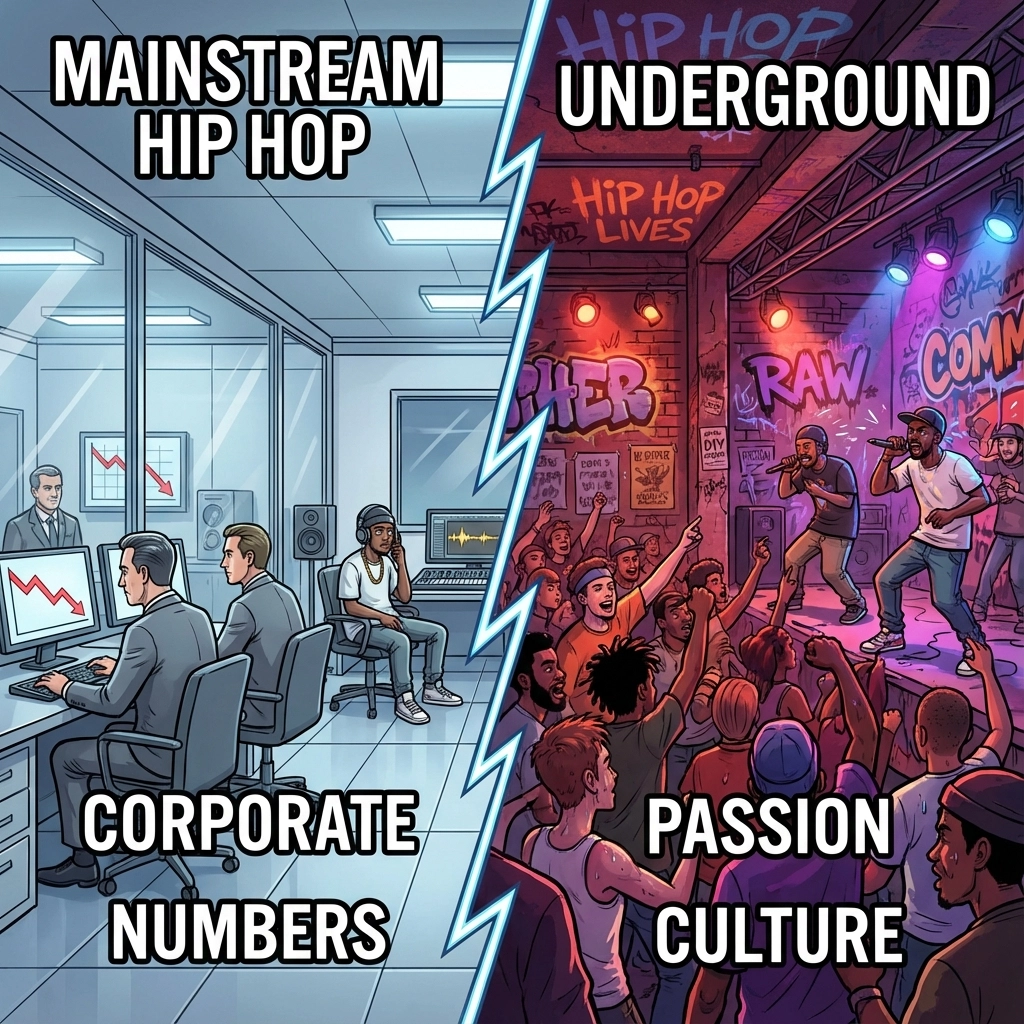
While major label executives are scratching their heads over declining numbers, underground artists are building something completely different. They’re not chasing radio spins or playlist placements – they’re creating movements.
Take a look at what happened just in January 2025. The underground scene dropped some of the most innovative projects we’ve seen in years. Pink Siifu’s Black’!Antique pushed industrial sounds into rap territory that nobody saw coming. Meanwhile, artists across the country were experimenting with everything from emo-influenced rap to experimental trap productions that sound like they’re from the future.
The underground isn’t just surviving – it’s thriving because artists are committed to “innovation, hypnotism, and going hard as hell.” They’re not following formulas; they’re breaking them.
Regional Scenes Are the New Tastemakers
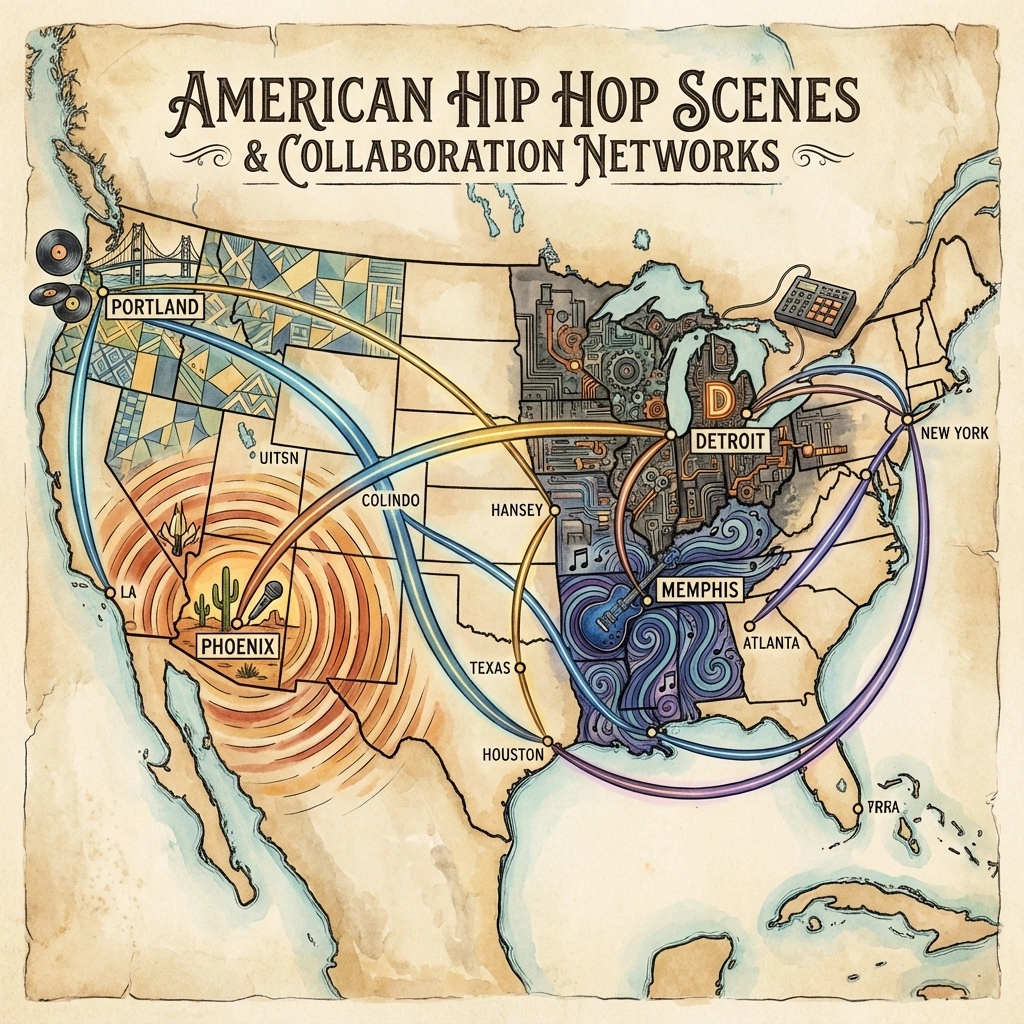
Here’s where it gets really interesting. Regional scenes aren’t just supporting their local artists – they’re setting trends that eventually trickle up to mainstream consciousness. Cities like Atlanta, Memphis, Detroit, and Houston have always had strong local scenes, but now smaller markets are creating their own distinct sounds.
Phoenix has a growing desert rap scene that’s blending southwestern influences with trap. Portland’s experimental hip hop artists are mixing indie rock sensibilities with boom-bap beats. Even mid-size cities like Richmond, Virginia, and Salt Lake City are developing signature sounds that reflect their unique cultural perspectives.
These aren’t one-hit wonders or flash-in-the-pan movements. These regional scenes have built sustainable ecosystems with local venues, independent labels, and most importantly, dedicated fan bases that actually show up and support the music.
Community Support Changes Everything
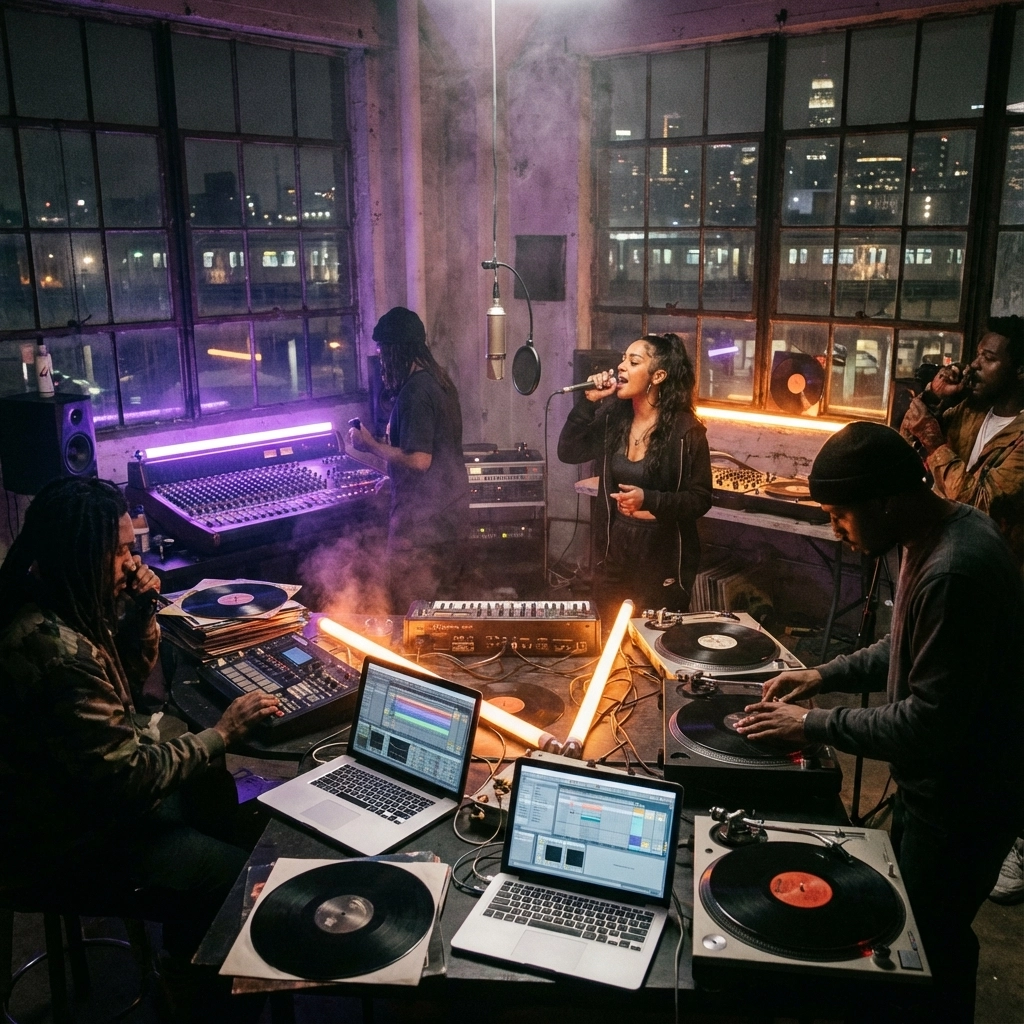
The biggest difference between underground and mainstream success in 2025 isn’t the music quality – it’s the community connection. Underground artists are building real relationships with their audiences, not just trying to hit algorithm targets.
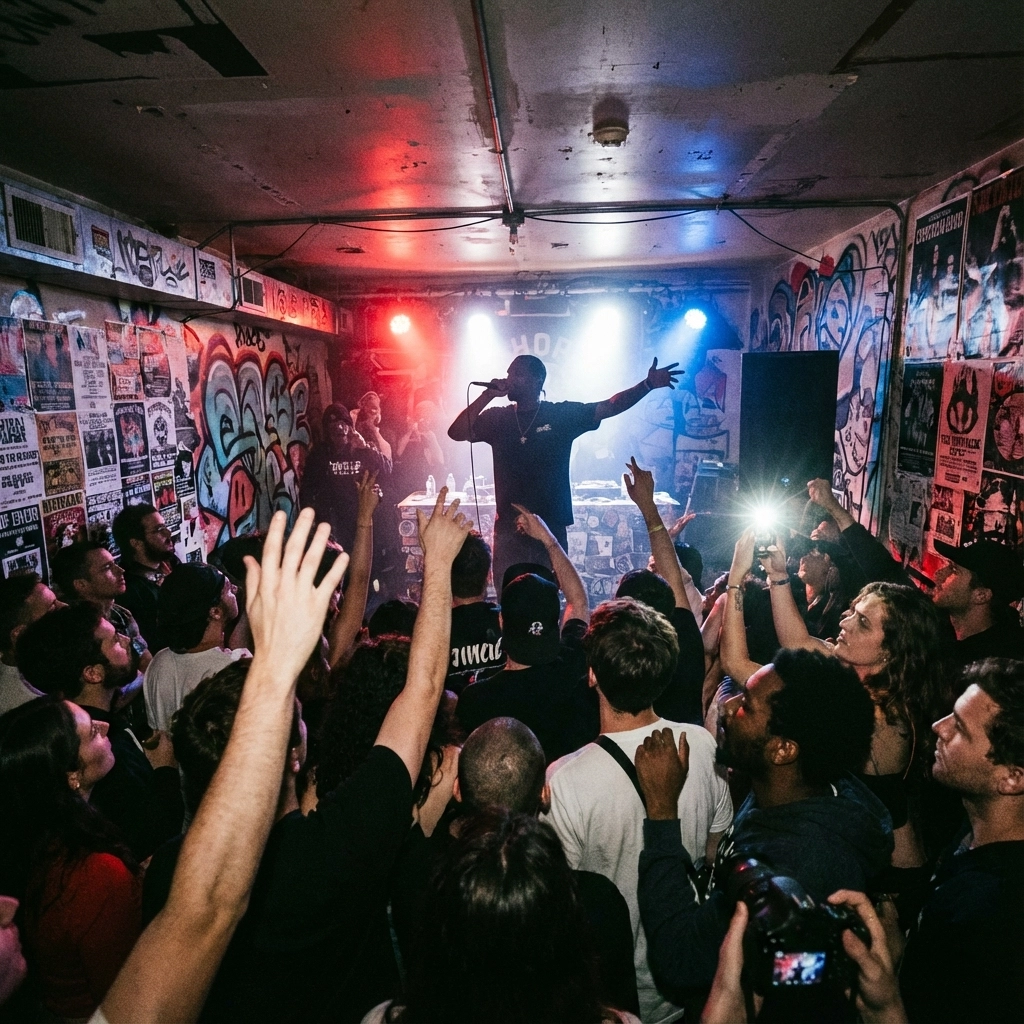
Local venues matter more than ever. When an artist can pack a 500-person venue three nights straight in their hometown, that’s more valuable than a million streams from people who might never listen again. These artists are creating experiences, not just content.
Social media plays a role, but it’s different in the underground. Instead of chasing viral moments, artists are using platforms to build genuine connections. They’re sharing their creative process, collaborating across geographic boundaries, and supporting each other’s projects. It’s a network effect that major labels can’t replicate with their top-down approach.
The Authenticity Factor
Major label hip hop has an authenticity problem, and fans can sense it. When everything goes through layers of A&R executives, focus groups, and market research, the raw energy that made hip hop special gets filtered out.
Underground artists don’t have that problem. They’re making music about their actual lives, their actual communities, and their actual struggles. When a rapper from Flint talks about water quality issues, or an artist from the Pacific Northwest incorporates environmental themes, it hits different because it’s real.
This authenticity extends beyond lyrics to sound itself. Regional producers are incorporating local musical traditions, from zydeco influences in Louisiana to mariachi samples in border towns. The result is hip hop that sounds like it could only come from that specific place, which is way more compelling than generic beats designed to sound like everything else on the radio.
Technology Levels the Playing Field
The democratization of music production and distribution has completely changed the game. Artists don’t need major label resources to create professional-quality music anymore. A laptop, some software, and creativity can compete with million-dollar studio budgets.
More importantly, artists don’t need major label distribution to reach audiences. Streaming platforms, social media, and direct-to-fan sales let underground artists build sustainable careers without giving up creative control or massive revenue percentages to intermediaries.
Independent artists are also getting smarter about business. They’re learning about publishing, merchandise, touring, and brand partnerships. Instead of hoping for a record deal to save them, they’re building their own empires from the ground up.
Cultural Impact Beyond Numbers
While mainstream hip hop focuses on chart positions and streaming metrics, underground scenes are creating cultural movements that extend far beyond music. They’re addressing local social issues, supporting community organizations, and using their platforms to amplify important voices.
In many cities, underground hip hop artists are becoming community leaders. They’re organizing food drives, supporting local businesses, and creating opportunities for younger artists. This kind of cultural impact creates lasting legacies that transcend any individual song or album.
The ripple effects are real. Fashion trends, slang, and even political consciousness often start in underground scenes before making their way to mainstream culture. Major brands are starting to recognize this, which is why you’re seeing more collaborations between underground artists and national companies.
What This Means for the Future
The shift toward underground and regional scenes isn’t a temporary trend – it’s a fundamental change in how hip hop culture operates. Artists are learning they don’t need permission from major labels to build meaningful careers.
This doesn’t mean mainstream hip hop is dead, but it does mean the traditional gatekeeping model is breaking down. The most successful artists going forward will likely be those who understand both worlds – the creative freedom of the underground and the reach potential of mainstream platforms.
For listeners, this is fantastic news. More diverse voices, more experimental sounds, and more authentic expressions of hip hop culture are emerging from every corner of the country. The genre is expanding in ways that wouldn’t be possible if everything still had to go through major label filters.
The Real Winners
At the end of the day, the winners in this shift are the fans and the culture itself. Hip hop is returning to its roots as a grassroots movement that reflects the real experiences of its communities. The creativity and innovation happening in underground scenes right now is setting the stage for the next evolution of the genre.
Major labels will adapt or they won’t, but the music will keep moving forward. Regional scenes will continue building their own paths to success, and artists will keep finding new ways to connect directly with audiences who appreciate authentic expression over manufactured hits.
The underground isn’t just winning – it’s redefining what winning means in hip hop. And that’s exactly what the culture needed.
Want to discover more about emerging artists and regional scenes making waves? Check out our member community where we spotlight underground talent that’s changing the game.


Post comments (0)