



Look, we get it. You’ve been grinding in the studio, perfecting your sound, and you’re ready to get your music out there. But scrolling through Spotify playlists or throwing money at Instagram ads isn’t cutting it anymore. If you’re a Hip Hop or R&B artist trying to break through in 2026, internet radio is one of the most underrated ways to get your music discovered, and actually build a real fanbase.
Stations like Hot Mic Radio aren’t looking for the next industry plant with a million fake streams. We’re looking for authentic talent with a story to tell. The good news? Getting airplay on internet radio is totally doable if you approach it the right way. Here are five steps every emerging artist should know.
Step 1: Perfect Your Sound Quality (Seriously, Don’t Skip This)
Before you even think about submitting your track to hip hop radio stations, make sure your audio is broadcast-ready. We’re talking professionally mixed and mastered, not something you threw together on GarageBand at 3 AM and called it a day.

Internet radio listeners are tuning in for a seamless listening experience. If your track sounds muddy, has clipping issues, or the vocals are buried under the beat, it’s getting passed over. Period.
Here’s what you need:
- Clean mix: Every element, vocals, drums, bass, melody, should sit properly in the mix
- Professional mastering: Your track should sound cohesive with other songs in rotation
- Proper file format: Most stations prefer high-quality MP3s (320kbps) or WAV files
If you’re working with a limited budget, invest in at least one or two professionally mixed singles rather than submitting an entire album of mediocre-quality tracks. Quality over quantity always wins when you’re trying to get your music discovered.
Step 2: Build a Professional EPK (Electronic Press Kit)
Think of your EPK as your artist resume. Music directors and DJs at internet radio stations get hundreds of submissions every week. If yours looks thrown together or incomplete, it’s going straight to the trash folder.
Your EPK should include:
- High-quality cover art with proper metadata (song title, artist name, album title embedded in the file)
- A short, compelling bio (2-3 paragraphs max, nobody’s reading your life story)
- Links to your music on Spotify, Apple Music, SoundCloud, YouTube
- Social media handles (Instagram, TikTok, Twitter/X)
- Professional press photos (no blurry selfies or grainy screenshots)
- Any press mentions, co-signs, or milestones (features, show dates, blog coverage)
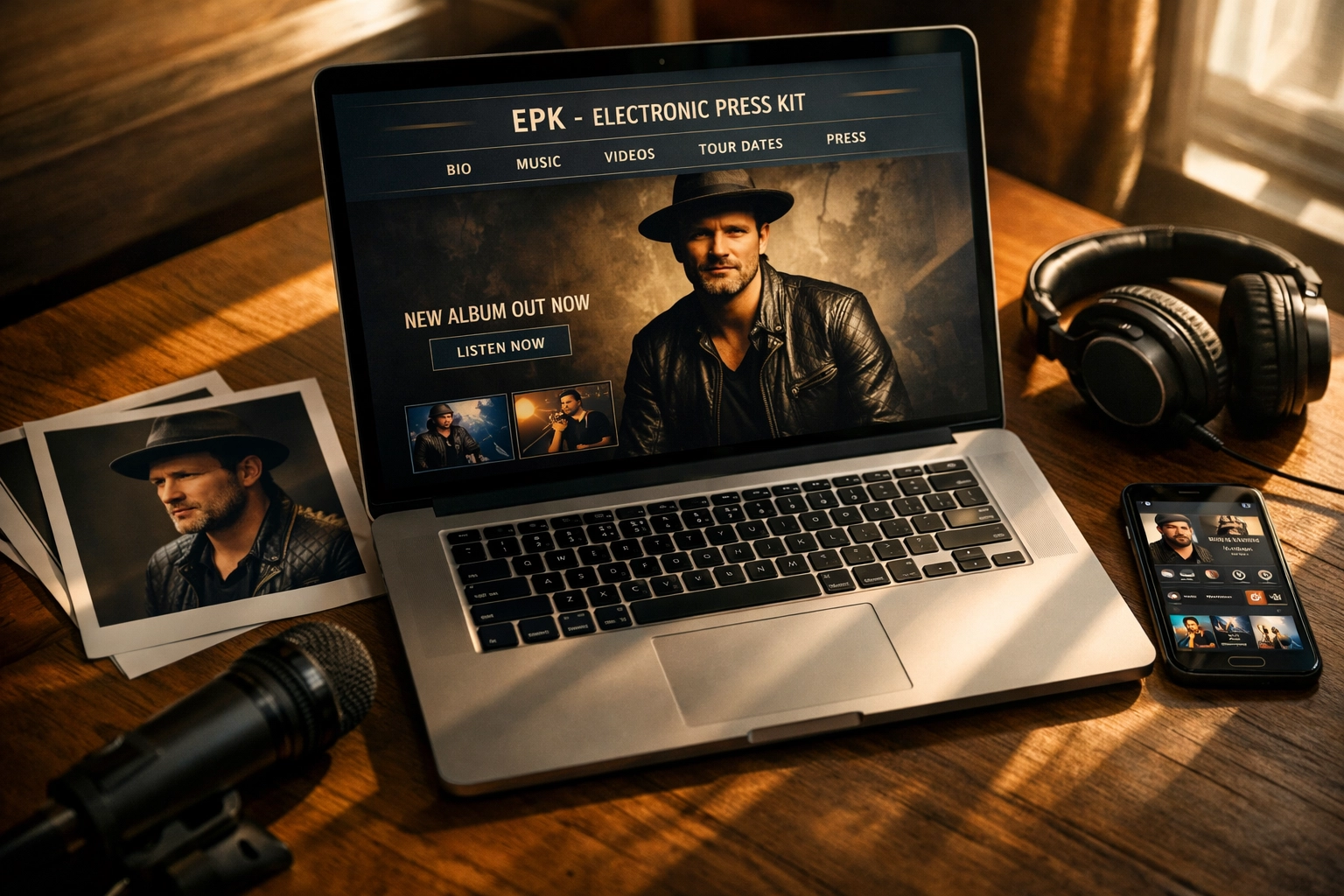
The goal is to make it ridiculously easy for a program director to say “yes” to your music. If they have to dig around for basic info or can’t find a clean version of your track, you’ve already lost the opportunity.
Pro tip: Keep your EPK updated. If you just dropped a new single, performed at a notable venue, or got a shoutout from an established artist, add it immediately.
Step 3: Research and Target the Right Stations
Here’s where most artists mess up: they blast their music to every radio station they can find without doing any homework. That’s like applying to jobs by sending the same generic resume to 500 companies. It doesn’t work.
Not every station plays Hip Hop and R&B. Even among those that do, some focus on mainstream hits, while others champion underground and emerging artists. Your job is to identify stations that actually align with your sound.
Start by:
- Listening to the station’s programming before you submit. What vibe are they going for? What kind of artists are they playing?
- Looking for indie, college, and local stations. These platforms are often more open to new talent than corporate-backed stations.
- Checking if they have specialty shows for emerging artists. At Hot Mic Radio, for example, we have shows like Fresh Out the Lab specifically designed to spotlight new talent.
Don’t waste your time submitting trap music to a station that only plays conscious Hip Hop, or vice versa. Do your research, narrow down your list, and target stations where your music actually makes sense.
Step 4: Build Real Relationships with DJs and Program Directors
This is the game-changer most artists overlook. Internet radio thrives on community and authenticity. The stations breaking new artists aren’t doing it because of some algorithm: they’re doing it because real human beings believe in the music.
Instead of sending generic mass emails, take time to personalize your pitch. Here’s how:
Do your homework: Mention specific shows or DJs at the station. Reference recent tracks they’ve played that align with your sound. Show them you’re actually paying attention.
Keep it short and genuine: Music directors are busy. Your email shouldn’t be a novel. Get to the point: who you are, why your music fits their audience, and what you’re asking for (airplay, an interview, etc.).
Follow up thoughtfully: If you don’t hear back right away, a polite follow-up a week or two later is fine. But don’t be that artist blowing up inboxes every other day.
Engage with the station: Share their content, comment on their posts, tune into their shows. Building a real relationship means being part of the community, not just using the platform as a stepping stone.
At Hot Mic Radio, we respect artists who treat this like a partnership, not a transaction. The more genuine your approach, the better your chances of getting on air: and staying in rotation.
Ready to submit your music? Check out our submission page and make sure you’ve got all your materials ready before you hit send.
Step 5: Leverage Your Airplay on Social Media
Congrats: you got airplay! But here’s the thing: your work isn’t done. Now it’s time to maximize that momentum and turn radio plays into real fan growth.
When your track gets spun on hip hop radio stations like Hot Mic Radio, treat it like the milestone it is. Here’s how to amplify it:
- Share it everywhere: Post on Instagram, Twitter/X, TikTok, Facebook. Tag the station and thank them publicly.
- Create engaging content around it: Record a reaction video, share a behind-the-scenes story about the song, or do a shoutout thanking your fans.
- Encourage your followers to tune in: Let people know when your song is scheduled to play and invite them to listen live.
- Engage with the station’s audience: Comment on their posts, interact with other artists in their community, and show love to the DJs supporting you.

Radio airplay gives you credibility. It shows potential fans, industry contacts, and future collaborators that real tastemakers believe in your music. Don’t let that opportunity go to waste by staying silent.
The more you support the stations that support you, the more likely they are to keep you in rotation and champion your next release.
Final Thoughts: It’s About Consistency and Authenticity
Getting your music on internet radio isn’t a one-and-done situation. It’s about showing up consistently, respecting the process, and building genuine relationships with the people championing independent artists.
Stations like Hot Mic Radio exist because we love the culture. We want to see talented Hip Hop and R&B artists win. But you’ve got to meet us halfway: come correct with quality music, a professional presentation, and a real desire to be part of the community.
So take these five steps seriously. Perfect your sound. Build that EPK. Do your research. Make real connections. And when you get that airplay, run with it.
Your music deserves to be heard. Let’s make it happen.


Post comments (0)