

Black culture marketing means building creative and media strategy around genuine cultural fluency and sustained community investment, not borrowed slang slapped on a seasonal campaign. The verdict is simple: brands that want real traction need to invest in data-driven, year-round work that centers authentic creators and community partners. Nielsen and Pew Research Center data back this up, and outlets like Hot Mic Radio show what it looks like in practice.
TL;DR:
- Black consumer spending is projected to reach over 2 trillion dollars by 2026, with 67% paying more attention to culturally reflective brands.
- Authentic, ongoing engagement with Black creators and media, rather than one-off campaigns, builds trust and brand loyalty over time.
- Audio channels like podcasts, radio, and host-read ads are the most effective platforms for reaching Black audiences with trusted voices.
- Campaigns must incorporate intersectional understanding, real diversity, and community review to avoid tokenism, stereotyping, and performative actions.
- Measuring success requires focusing on attention, sentiment, and sales impact, with sustained presence over at least two quarters to build trust.
Table of Contents
- The business case: attention, buying power, and ROI of representation
- What Black consumers want: authenticity and year-round relevance
- Where to reach Black audiences: platforms and creator channels that work
- How to build a culturally relevant, year-round marketing program
- Common mistakes and red flags to avoid
- Measurement: KPIs and metrics for culturally relevant campaigns
- Practitioner perspective: audio-first tactics from Hot Mic Radio
- A few honest words on doing this right
- Bring your brand into the mix with Hot Mic Radio
- FAQ
- Sources
The business case: attention, buying power, and ROI of representation
Let’s talk numbers, because the budget conversation starts here. Black consumer buying power is projected to top $2.0 to $2.1 trillion by 2026, and that’s not a niche audience, that’s a trendsetting force that shapes language, music, fashion, and food well beyond any one community.
67% of Black consumers say they pay more attention to brands that reflect their culture, compared to 46% overall, according to Nielsen. That gap is the whole business case in one stat.
What that attention translates into on the ground:
- Higher ad recall and purchase intent when creative reflects lived culture instead of a generic template.
- Brand loyalty that compounds over time, since trust in this audience tends to build slowly and pay off longer.
- Real risk on the flip side: audiences that feel devalued walk, and they tell their circle why.
What Black consumers want: authenticity and year-round relevance
The wave is finally crashing on the old playbook of running one campaign in February and calling it a year. Audiences see right through that, and they expect brands to show up consistently, not just when it’s convenient.
Authenticity shows up in specific, checkable ways:
- Casting that reflects real diversity of skin tone, body type, and regional identity, not a single aesthetic standard.
- Storytelling built with creators from the community, not about them from a distance.
- Partnerships with Black-owned media and talent that last beyond a single flight of ads.
Guidance from ANA warns against treating Black culture as one monolith. Identity here is intersectional: region, faith, generation, and class all shape how someone hears a message, so a Southern gospel listener and a Brooklyn hip-hop fan need different creative, not the same ad with different stock photos.
Pro Tip: Run your creative brief past a community review panel before production, not after the edit is locked.
Where to reach Black audiences: platforms and creator channels that work
Media planning for this audience starts with audio, and the data backs that priority. Pew Research finds Black podcast listeners gravitate toward distinct topics and are more likely than other groups to recall and act on host-driven content, which is why a trusted voice reading your ad often beats a polished programmatic spot.
Here’s where attention lives right now:
- Audio: Terrestrial and streaming radio, podcasts, and especially host-read ads, where listener trust transfers straight to the brand.
- Digital: YouTube, live social (think Instagram Live, TikTok Live), CTV, and mobile-first short-form content, all seeing strong reach among Black audiences.
- Creators and community publishers: Partnerships with independent creators and Black-owned outlets amplify reach in ways a one-off ad buy never will.
- Regional and genre-specific platforms: Shows and feeds built around specific scenes (Southern soul, Afrobeats, regional hip-hop) outperform broad, undifferentiated buys.
If you want a concrete example of what this looks like for music and entertainment brands specifically, our breakdown on marketing to Black audiences through music walks through the programming side of this.
How to build a culturally relevant, year-round marketing program
Building this right means treating it as infrastructure, not a campaign. Here’s the stepwise version:
- Start with listening: Commission community surveys, mine partner data, and build segmentation that respects intersectional identity instead of one big bucket.
- Write inclusive briefs: Bring creators into the room at the brief stage, not just for execution, and set up a community review panel for every major asset.
- Allocate real budget to creators: Fund creator partnerships and show sponsorships the same way you’d fund a national TV buy, with actual line items, not leftover change.
- Partner with Black-owned media: Sponsor podcasts, radio shows, and regional programming that already have the audience’s trust built in.
- Govern for the long haul: Put diverse voices in the decision chain and track multi-year KPIs, not just quarter-over-quarter lift.
For the creator side of this, the discovery process local artists go through offers a useful template; see how artists get discovered locally for tactics that translate well to brand partnerships too.
Pro Tip: Budget for at least two full quarters of sustained presence before you measure brand lift, since trust here builds on repetition, not a single flight.
Common mistakes and red flags to avoid
Most failures here aren’t creative failures, they’re structural ones. Watch for:
- Tokenism: One Black actor in a crowd shot doesn’t count as representation; fix it by building inclusion into the core concept, not the casting afterthought.
- Stereotyping and cultural shorthand: Slang, music cues, and iconography lifted without context read as hollow; route every asset through a community reviewer before it ships.
- “Black History Month only” activation: A single February push, then silence for eleven months, reads as performative and erodes the trust you just spent money building.
- Performative advocacy: A statement without a measurable, ongoing commitment behind it invites scrutiny, and Pew Research finds Black audiences are active fact-checkers who will hold brand claims to account.
Measurement: KPIs and metrics for culturally relevant campaigns
Measuring this work right means going past impressions. Track three layers:
- Attention: Reach, listen or watch time, and ad recall, especially from brand lift studies run specifically against this audience segment.
- Affinity: Sentiment, creator engagement rates, and community mentions across social and audio platforms.
- Conversion: Purchase intent lift and sales conversion tied to specific creative or partner placements.
Audio ads, including podcast and radio host-read spots, tend to drive stronger recall among Black listeners than generic programmatic placements, per Nielsen. Set your attribution window to match the sales cycle you’re actually measuring, and pick a measurement partner comfortable running segment-specific brand lift studies, not just an aggregate national number.
Practitioner perspective: audio-first tactics from Hot Mic Radio

We run live DJ shows regularly, and the trust that builds between a host and a listener is the whole game. When a DJ we’ve built a real relationship with reads your spot, that endorsement carries weight an algorithm-served banner never will.
Tactics worth testing:
- Sponsor a specific show or segment instead of buying scattered spots across the schedule.
- Run a show takeover tied to a regional spotlight, pairing your brand with a scene audiences already follow closely.
- Launch an artist-spotlight campaign that pairs your message with music discovery, which audiences come to us for in the first place.
A solid four-to-eight week experiment: pick one show, fund a host-read campaign plus one social push from the DJ, and track recall against a control period.
A few honest words on doing this right
The brands that win here aren’t the loudest, they’re the ones still showing up in month eleven. Sustained investment beats a flashy one-off every time, and the real scoreboard isn’t impressions, it’s whether the community keeps talking about you after the campaign ends.
— Hot Mic Radio Team
Bring your brand into the mix with Hot Mic Radio
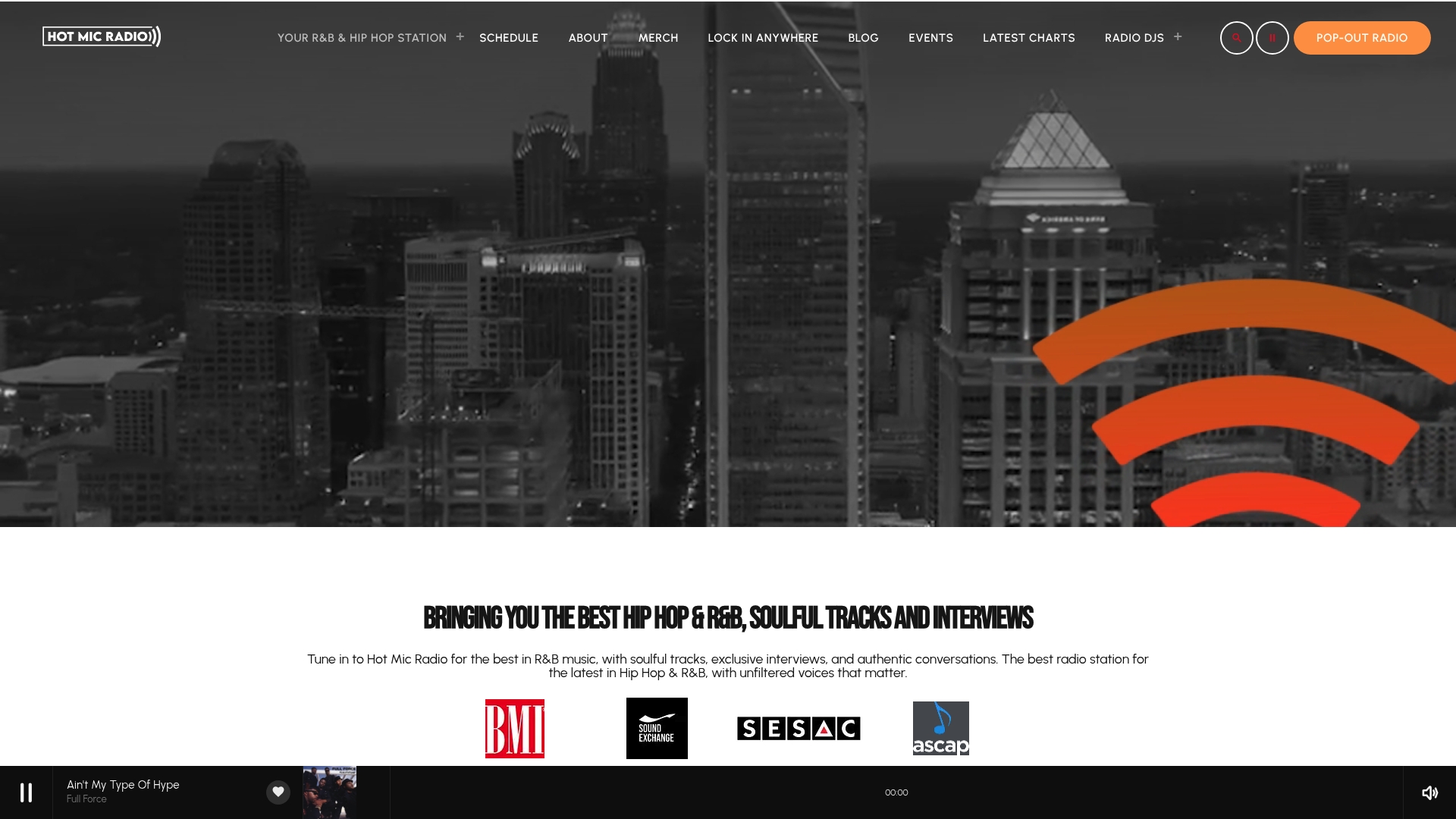
We give brands a direct line into an audience that already trusts the voices in its feed. Our advertising options put your message inside shows listeners choose on purpose, and turn a single campaign into an ongoing presence.
Support the station: the Bars & Beats Club
If you love what we do, you can back it. The Bars & Beats Club is our way for listeners to support the station and receive perks based on tiers. You can join through the Hot Mic Radio app or at members.hotmicradio.com.
| Tier | Price | Highlights |
|---|---|---|
| The Headliner | $10/mo | Digital membership card, giveaway entries (concert tickets and more), monthly email and text updates with behind-the-scenes insights, members-only live streams, members-only chat lounge |
| Platinum Status | $30/mo | Everything in The Headliner, plus a branded bumper sticker or accessory and free general access to Hot Mic Radio sponsored club events |
| Diamond Certified | $50/mo | Everything in Platinum Status, plus early access to select events, concerts and club nights, a license plate frame, and a monthly members-only email with program previews and DJ playlists |
| Allstar MC | $70/mo | Everything in Diamond Certified, plus a branded t-shirt, 20% off merchandise, 30% off VIP event and club tickets, and on-air Allstar shoutouts |
| Hall of Fame | $100/mo | Everything in Allstar MC, plus a branded hoodie, a personalized on-air thank-you during special programming, 30% off merchandise, and VIP event access with early seating and private meet-and-greets with artists or DJs |
FAQ
What are examples of black culture?
Black culture spans music genres like hip-hop, R&B, gospel, and Afrobeats, alongside language, fashion, food traditions, and regional identities that vary widely by generation and geography. It is not one fixed style, which is why ANA guidance warns against treating it as a monolith in marketing.
Can you give me an example of culture marketing?
Culture marketing happens when a brand builds its creative and media plan around a specific community’s values and media habits instead of running generic ads everywhere. A show sponsorship built around a trusted host, paired with creator partnerships from that community, is a working example of this approach.
What does black mean in marketing?
In marketing, “Black” refers to a broad, intersectional audience defined by shared cultural touchpoints like music, language, and community, not a single demographic box. Effective targeting accounts for regional, generational, and identity differences within that audience rather than treating it as uniform.
What major companies are black-owned?
This article does not track a verified list of major Black-owned companies, since ownership details shift and aren’t consistently published by a single authoritative source. For brand partnership purposes, working directly with Black-owned media outlets and creators is the more reliable path to verifying ownership before a campaign launches.
Sources
- The Black influence: How Black culture & identity drive the market | Nielsen
- Inclusion Drives Impact: How Black Audiences Are Shaping Media and Brand Performance | ANA
- Black U.S. podcast listeners choose distinct topics, have different reasons for listening than other groups | Pew Research Center

