


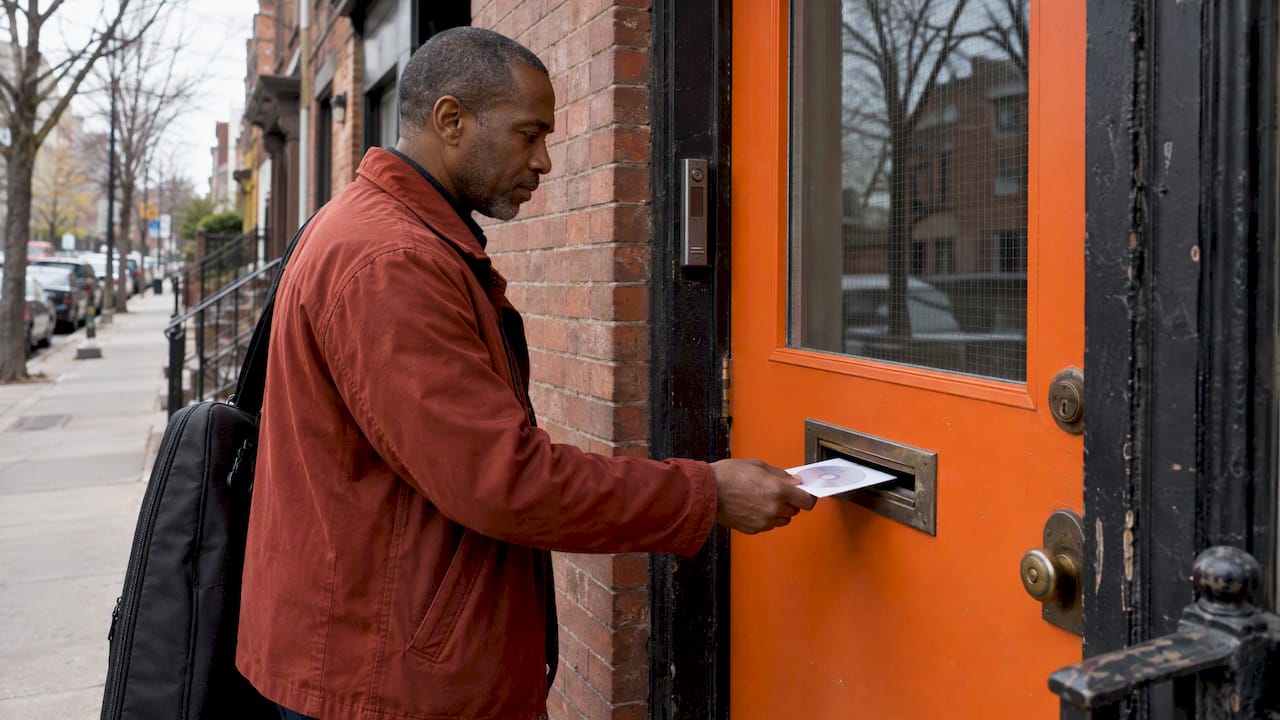
To get a jazz track on the radio, match it to the right station’s format, send clean files with embedded metadata, add a one-page bio, and submit once through the channel the station asks for. That’s the whole game. The hard part is doing each step well, because music directors get stacks of tracks and skip anything that makes their job harder.
We’re Hot Mic Radio, and jazz and smooth neo-soul sit right next to Hip-Hop, R&B, gospel and Motown in our rotation. Below is the playbook we’d hand a friend: what to prep, where to send it, what to expect, and how to submit to us.
TL;DR
- Pick stations whose format fits your sound. Smooth, straight-ahead, fusion and vocal jazz are not the same lane.
- Send a 320 kbps MP3 at minimum, or preferably WAV, with artist, title and ISRC baked into the file.
- Keep your pitch to one email and one page. No follow-up calls.
- Register with a performance rights organization and SoundExchange so you get paid when digital stations spin you.
- Submit to Hot Mic Radio at hotmicradio.com/submit or in our iOS and Android apps. We never charge artists to get their music played.
Table of Contents
- Know the station before you hit send
- Start local, then climb
- Get your files radio-ready
- Write a one-sheet that makes their job easier
- Submit once, then let it breathe
- Get paid when stations play you
- Our take on jazz and the culture
- How to submit your jazz music to Hot Mic Radio
- Listen first, then support the station
- Common mistakes that sink jazz submissions
- FAQ
- Sources
Know the station before you hit send
Look at the submission pages that rank for this topic and a pattern jumps out. Almost every one starts with format. Some want smooth and contemporary jazz only, some lean straight-ahead, some will take space, new age or instrumental fusion. Send a bebop quartet to a smooth jazz outlet and you’ve wasted both your time and theirs.
So before you write a single email:
- Listen for an hour. Note the tempo, the production polish, whether vocals show up, and how new releases sit next to classics.
- Read the submission page twice. Note the file type, the contact method and any genre list.
- Find the specialty show. Many stations carry a jazz hour or a late-night lounge block even when the main format is something else. That host is often your best door in.
At Hot Mic Radio, our jazz sits inside what we call The Vibe: Hip-Hop, R&B, smooth neo-soul, jazz and relaxing lo-fi sessions. If your track has groove, warmth and a late-night feel, or if it’s jazz-flavored R&B or neo-soul, you’re speaking our language. If you’re making soulful instrumentals that would sit beside a live DJ set, even better.
Start local, then climb
The most common mistake emerging artists make is aiming too high, too soon. Big national programs want proof of momentum, and community and local stations are more open to championing artists from their scene. The same source notes that the road to larger airplay usually runs through smaller community and specialty stations first.
For a jazz artist that means:
- College and community stations with a jazz block
- Internet stations that live and breathe your sub-genre
- Specialty shows hosted by people who actually love the music
- Local venues and events where your name can travel by word of mouth
That last one matters more than people admit. Playing live and showing up for your scene builds the kind of buzz a music director notices. There’s a reason people keep saying supporting local hip hop artists in person beats chasing stream counts: real rooms create real fans, and fans request songs.
If you’re an independent artist, we’re built for you. We’re a proud supporter of emerging and independent artists, and we’d rather you hear it from us directly: you’ll hear the next ones here first. For more on how we think about the climb, check out the independent artist’s guide to getting airplay.
Get your files radio-ready
This is where good music dies quietly. Stations run automated broadcast software, and files missing tags can be rejected or fail to track. One station-submission guide says files should be MP3s at 320 kbps minimum or, preferably, uncompressed WAV, and that lower bit rates won’t cut it. The same guide asks for track number, song title, artist name, album title, album artist, year and genre as a minimum.
Your pre-flight checklist:
| Item | What to do |
|---|---|
| Format | WAV if you can, otherwise 320 kbps MP3 |
| Metadata | Artist, title, album, year, genre and ISRC embedded in the file |
| File names | Clean and consistent, like Artist Name – Song Title |
| Version | Radio edit and clean version if you have them, plus the instrumental if it’s a vocal track |
| Delivery | A link, unless the station says otherwise |
| Contact info | Name, email and phone in the message and in your one-sheet |
The same document recommends a tagging tool such as Mp3tag, because stations often won’t fix your tags for you. Do it yourself once and it’s done for every pitch.
Why delivery method matters
Read the station’s rules on attachments. Some ask for a streaming link and no attached MP3s. Some want a file-transfer link. A few want physical discs. Follow whatever the page says, to the letter. Ignoring instructions tells a music director how the rest of the relationship will go.

Write a one-sheet that makes their job easier
Music directors and hosts say a one-sheet is crucial, but it should be professional, one page, and focused on why your sound fits their station. Skip the gimmicks. They also advise against follow-up calls, which create desk clutter and a bad impression.
What goes on a jazz artist’s one-sheet:
- Artist or band name, track title, release date, label if any
- Two or three sentences on your sound. Name the lane: smooth, fusion, vocal, straight-ahead, jazz-meets-R&B
- Notable collaborators, venues or festivals you’ve played
- Links to stream the track and your socials
- One line on why this track suits this station
We built a quick guide for this: the 10 second artist one-sheet checklist walks through what a busy programmer scans first.
Submit once, then let it breathe
Here’s the etiquette that almost every station shares, whether it’s community, college or online:
- Send one track, your strongest, unless the station asks for a full release.
- Use the contact method on their page, not a DM to the host’s personal account.
- Keep the email short. Three or four lines, with links.
- Don’t chase. Stations that get hundreds of submissions can’t give status updates on every track.
- Keep creating.
That last point is real. Rejection is rarely personal. Slots in rotation are limited, and format fit often decides everything. If your track doesn’t land, send your next release to the same station later. A no today is not a no forever.
Get paid when stations play you
Airplay is exposure, but it can also be income, and many artists leave it uncollected. Registering with a performance rights organization such as ASCAP or BMI helps with tracking airplay and collecting royalties. The same page notes that submitting your music to Nielsen BDS for airplay tracking is free.
Then there’s digital radio. US terrestrial radio doesn’t pay featured artists performance royalties, but SoundExchange collects digital radio royalties for internet and satellite plays. The same source says featured artists can claim 45% of statutory digital royalties, even when a label owns the master. SoundExchange covers non-interactive services such as satellite radio, internet radio and webcasters, not on-demand streaming. If your jazz track gets spun on an internet station, you want your registration done before the spin, not after. For specifics on your own catalog, a music attorney or the rights organization itself can confirm what applies to you.

Our take on jazz and the culture
Here’s how we see it at Hot Mic Radio. Jazz isn’t a museum piece, it’s the root system. The same improvisation, swing and storytelling run through Motown, Southern Soul, neo-soul and Hip-Hop. That’s why jazz lives on our schedule right beside Hip-Hop and R&B, and why a live DJ set can slide from a sample-heavy beat into the horn line that inspired it.
We care about three things when we listen to submissions:
- Feel. Does it hit you in the chest, or make you want to slow dance in your kitchen?
- Fit. Does it sit well beside what we already play, from neo-soul to lo-fi sessions?
- Story. Who made it, where are they from, and what’s the scene behind them? We love regional spotlights and we love giving new voices space.
And one rule we never bend: we never charge artists to get their music played on the station. Airplay on Hot Mic Radio is not for sale. If your music fits, it earns its spot.
— Hot Mic Radio Team
How to submit your jazz music to Hot Mic Radio
Two easy ways, both free for airplay consideration:
- On the web: go to hotmicradio.com/submit and send your track with your one-sheet details.
- In the app: submit through the Hot Mic Radio app, available on iOS and Android.
Before you hit send, run the checklist: 320 kbps MP3 or WAV, metadata embedded, one strong track, short note, working links. A broken link can sink a pitch, which we cover in our piece on neo soul radio submissions. Also see how to pitch music to Hip Hop stations if your sound crosses over, or where to submit long DJ mixes if you’re a selector who moves between jazz, soul and beats.
For a deeper walkthrough, see how to release music on online radio and three routes to radio airplay.
Listen first, then support the station
Want to know if your music belongs here? Tune in. The Hot Mic Radio app landing page shows the schedule for the day, so you can catch a live DJ set, and it links straight to the iOS and Android apps. You can also listen at hotmicradio.app. That link is easy to share, so send it to your friends and family and get them downloading the app too. Every new listener is another set of ears for the artists we play.
If you love what we do and want to back it, join the Bars & Beats Club, our way for listeners to support the station and get perks based on tiers. Sign up in the Hot Mic Radio app or at members.hotmicradio.com.
| Tier | Price | Highlights |
|---|---|---|
| The Headliner | $10/mo | Digital membership card, giveaway entries (concert tickets and more), behind-the-scenes programming updates by email and text, members-only live streams and chat lounge |
| Platinum Status | $30/mo | Everything in The Headliner, plus a branded bumper sticker or accessory and free general access to sponsored club events |
| Diamond Certified | $50/mo | Everything in Platinum Status, plus early access to select events, a license plate frame and a monthly members-only email with program previews and exclusive DJ playlists |
| Allstar MC | $70/mo | Everything in Diamond Certified, plus a branded t-shirt, 20% off merchandise, 30% off VIP event and club tickets, and on-air Allstar shoutouts |
| Hall of Fame | $100/mo | Everything in Allstar MC, plus a branded hoodie, a personalized on-air thank-you during special programming, 30% off merchandise, VIP event access with early seating and private meet-and-greets, and unedited music from Hot Mic Radio |
Bars & Beats Club membership supports the station as a listener. It is separate from submissions and has no effect on whether your music gets played.
Brands that want to reach a Hip-Hop, R&B and culture-focused audience can ask about advertising costs at hotmicradio.com/advertising.
Common mistakes that sink jazz submissions
- Wrong format. Always check the genre list first.
- Missing metadata. Untagged files can fail in automated systems.
- Attachments when links were requested. Read the rules.
- Pitching ten tracks. Lead with one.
- Chasing. Calls and nudges rarely help and can hurt.
- Skipping rights registration. You can miss royalties you’re owed.
- Going national first. Build local momentum, then climb.
FAQ
How can I submit my music to radio stations?
Find each station’s submission page and follow it exactly: file type, contact method and genre list. Send one strong track with embedded metadata and a one-page bio. For Hot Mic Radio, use hotmicradio.com/submit or the Hot Mic Radio app on iOS or Android.
How much does it cost to put your song on the radio?
Submitting to a station for airplay consideration should not cost you anything, and at Hot Mic Radio it never does. We never charge artists to get their music played. Be careful with anyone who sells guaranteed airplay.
Do jazz stations accept unsigned artists?
Many do, especially community, college and internet stations that want to champion local and independent talent. Fit with the station’s format matters more than whether you have a label. Check the genre list on each submission page before you send.
Will I hear back after I submit?
Not always. Stations receive a lot of music and many can’t give status updates on individual tracks. Don’t follow up by phone. If a track isn’t picked up, send your next release later.
Sources
- How to get your music played on the radio
- Music Submissions to IBBA (PDF)
- Get airplay: one-sheet advice
- How to register with BDS, Mediabase and SoundScan
- Neighboring Rights and SoundExchange
- SoundExchange and Digital Performance Royalties
- Support Local Hip Hop Artists

