

Online radio is defined as a targeted exposure platform that gives independent artists access to passionate, music-curious listeners who streaming algorithms rarely reach. The role of online radio for artists goes far beyond background noise. It builds real credibility, creates early adopter fans, and signals to industry professionals that your music resonates beyond your immediate circle. Platforms like Hotmicradio, college radio networks, and specialty genre stations each serve a distinct function in an artist’s career. Performance rights organizations (PROs) like ASCAP and BMI track radio spins and generate royalties, making airplay both a visibility tool and a revenue stream.
How does online radio expand reach and build genuine fan bases?
Online radio reaches listeners who are actively seeking new music, not just passively scrolling. That distinction matters. A fan who discovers you on a college or specialty station is far more likely to follow, share, and show up to a show than someone who heard you auto-play on a streaming queue.

College radio charts are dominated by independent and unknown artists. That level of accessibility is rare in any other media format. It means you are competing on the strength of your music, not your label budget.
Successful college radio campaigns can yield adds at 30 to 100 stations, boosting chart positions and opening doors for press and booking conversations. That kind of reach, built station by station, creates a foundation that streaming numbers alone cannot replicate.
Building that reach requires relationship work. Programmers at college and community stations are music fans first. They respond to artists who take time to introduce themselves, follow up respectfully, and treat the station like a partner rather than a billboard.
Here is what works when targeting online and college radio:
- Submit full projects. College radio prioritizes EPs and LPs over singles because stations focus on artist development, not singles-driven rotation.
- Target by genre. Specialty and genre-focused stations deliver sharper audience attention than broad-format stations.
- Follow up with data. Share streaming numbers, Shazam activity, or social engagement to show programmers your music already has traction.
- Build local first. Start with stations in markets where you already have fans or plan to tour.
Pro Tip: Submit your EP or LP to college radio rather than a standalone single. Stations focused on artist discovery want to understand your range, not just your latest track.
Why does radio airplay build industry credibility beyond exposure?
Radio airplay signals that your music resonates beyond your immediate circles. That signal carries weight in rooms you have not entered yet. Booking agents, press contacts, and festival programmers all treat radio traction as validation that streaming numbers alone cannot provide.

Think about it this way. A million streams tells a booking agent that people clicked play. A run of college radio adds tells them that programmers, who listen critically and choose carefully, decided your music was worth their audience’s time. Those are two very different endorsements.
Radio spins also function as social proof in negotiations. When you can show a publicist or venue that your music is charting at 50 college stations, you are no longer asking them to take a chance. You are showing them that others already did.
Radio also integrates naturally into a broader promotional funnel. Airplay reinforces what listeners hear on streaming, see on social media, and experience at live shows. That repetition moves a casual listener toward a committed fan.
Key ways radio airplay builds credibility:
- Press leverage. Radio adds give publicists a concrete hook for pitches beyond “great new artist.”
- Booking conversations. Agents use radio data to assess market demand before committing to routing.
- Chart positioning. College radio charts are tracked by industry professionals watching for emerging talent.
- Fan conversion. Airplay builds pre-awareness, moving songs from background noise to recognizable identities before a tour hits a market.
Pro Tip: Before investing in a radio promotion campaign, check your streaming and Shazam data first. Measurable spikes in organic demand are the green light that radio will amplify rather than waste.
What types of online radio stations matter most for independent artists?
Not all radio stations serve the same purpose, and targeting the wrong format wastes time and money. The table below breaks down the four main station types by audience focus and accessibility for independent artists.
| Station type | Audience focus | Accessibility for independents | Best use case |
|---|---|---|---|
| College radio | Discovery-driven, music-curious students | High. Over 1,000 US college stations with reporting and discovery focus | Building chart presence and early fan base |
| Community radio | Local listeners, culturally engaged | High. Often mission-driven and open to local artists | Regional awareness and live event promotion |
| Commercial radio | Mass audience, mainstream listeners | Low for unsigned artists without label support | Not recommended without major label backing |
| Specialty/genre shows | Niche genre fans, highly engaged | Medium. Requires genre fit and direct outreach | Targeted exposure to the exact right audience |
College and community stations are the entry points that matter most for independent artists. They are built around discovery, not profit. Many of them host live events and artist features, which creates community connection that goes beyond a spin.
Commercial radio is largely inaccessible for unsigned artists. The gatekeeping is real, and the cost of independent promotion at that level rarely delivers returns without existing momentum. Specialty shows on genre-focused online stations are the smart middle ground. They deliver focused attention from listeners who already love your sound.
When tailoring your approach by station type, keep these points in mind:
- College radio: Send physical or digital press kits with full project submissions. Build relationships with music directors.
- Community radio: Lead with your local story. These stations care about cultural connection, not just chart potential.
- Specialty shows: Match your pitch to the show’s specific aesthetic. Generic pitches get ignored.
How can artists use online radio as part of a broader promotion strategy?
Radio amplifies existing momentum rather than creating it from scratch. That is the single most important thing to understand about where radio fits in your career timeline. The sequence matters.
Here is the order that works:
- Release and build streaming traction. Get your music on streaming platforms and let organic plays, saves, and playlist adds accumulate. This is your proof of demand.
- Activate social storytelling. Share the story behind the music. Behind-the-scenes content, lyric breakdowns, and fan interactions build context that makes radio spins land harder.
- Submit to radio with data in hand. Approach programmers with real numbers. Show them the song already has a pulse.
- Use radio to support touring. Target stations in markets where you plan to perform. Radio builds pre-awareness that fills rooms before you arrive.
- Monitor your spins. Apple Music for Artists provides radio spin data across 40,000+ stations, segmented by song, station, and geography. Use that data to refine your targeting.
Many artists who go viral on social media still struggle to convert streams into sold-out shows. College and online radio build early adopter fans with staying power that ephemeral viral moments rarely produce. Those fans tell their friends, come to shows, and buy merch.
Pro Tip: Focus your radio push on markets where you can actually tour or engage in person. Radio without a follow-up live presence leaves momentum on the table.
What are the common mistakes artists make with online radio promotion?
Radio is not a standalone discovery channel. Artists who treat it like one waste budget and get frustrated when spins do not translate into overnight success.
The most common mistakes include:
- Spending on radio without data. Artists lacking streaming or social traction should not invest in radio promotion prematurely. Radio amplifies what already exists.
- Submitting only singles to college radio. College stations focus on artist development. A single submission signals you do not understand how the format works.
- Ignoring the relationship. Blasting mass emails to programmers without personalization gets your submission deleted. Programmers remember artists who treat them like people.
- Expecting radio to replace streaming. Radio and streaming serve different functions. Radio builds credibility and pre-awareness. Streaming builds catalog and passive income. Neither replaces the other.
- Skipping the follow-up. One submission rarely lands. Consistent, respectful follow-up is how artists get added.
Understanding how to get your music discovered on internet radio means accepting that it is a long game. The artists who win at radio are the ones who treat it as a relationship-building exercise, not a transaction.
Key Takeaways
Online radio is most effective when artists use it to amplify existing streaming and social momentum, target the right station formats, and build genuine relationships with programmers over time.
| Point | Details |
|---|---|
| Radio amplifies momentum | Launch radio campaigns after building measurable streaming and social traction, not before. |
| Submit full projects to college radio | EPs and LPs outperform singles at discovery-focused college stations. |
| Target station type by goal | College and community stations offer the best access for independent artists. |
| Use data to track spins | Apple Music for Artists tracks spins across 40,000+ stations to guide targeting decisions. |
| Radio supports touring | Focus airplay on markets where you plan to perform to convert listeners into ticket buyers. |
What we have learned running radio for independent artists
Here is our honest take after years of championing independent Hip-Hop and R&B artists at Hotmicradio. Most artists come to radio too early and leave too soon. They submit one single, get no response, and write off the whole format. That is the wrong move, and we have seen it cost artists real opportunities.
The artists who get the most out of radio are the ones who treat programmers like collaborators. They send a full project. They follow up. They share their story. They check back in when they drop something new. That consistency builds trust, and trust gets you added.
We also want to be real about something the industry does not say loudly enough. Radio alone will not make your career. But radio combined with strong streaming numbers, active social storytelling, and a touring plan? That combination creates the kind of momentum that booking agents and press contacts actually respond to. We have watched it happen.
The radio vs. streaming debate misses the point entirely. The artists winning right now are using both. Radio builds the credibility. Streaming builds the catalog. Together they build the career.
One more thing. Specialty and genre-focused online stations like Hotmicradio give independent artists something commercial radio never will: a level playing field. We are not picking based on label budgets. We are picking based on the music. That is the whole point.
— Hot Mic Radio Team
Hotmicradio is where independent artists get heard
At Hotmicradio, we built our platform specifically to give independent Hip-Hop and R&B artists the kind of exposure that actually moves the needle. We are not just spinning tracks. We are curating culture, telling stories, and putting real DJs behind the mic who care about the music as much as you do.
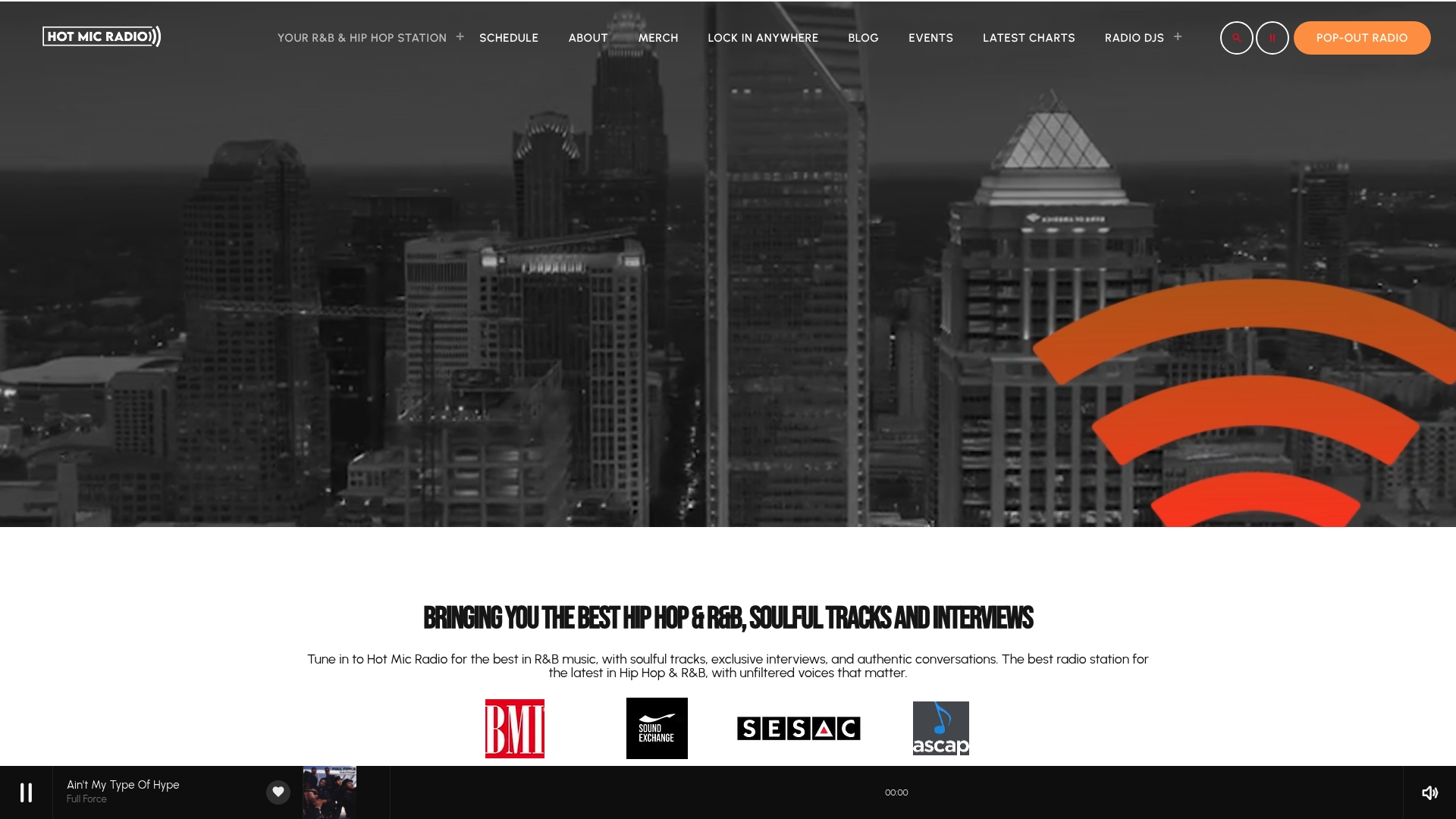
Our live DJ shows, genre-focused programming, and artist discovery features are designed to connect your music with listeners who are genuinely hungry for what is next. You can even vote for your favorite tracks and shape what gets heard. If you are an independent artist ready to get your music in front of the right ears, check out our music submission checklist and take the first step. The culture is listening. Are you ready?
FAQ
What is the role of online radio for artists?
Online radio gives independent artists targeted exposure to music-curious listeners, builds industry credibility through radio spins, and creates early adopter fans with staying power beyond streaming.
Why does radio airplay matter more than streaming numbers alone?
Radio airplay signals to booking agents, press contacts, and programmers that your music was chosen by a critical listener, not just auto-played. That distinction carries real weight in industry conversations.
Should independent artists submit singles or full projects to college radio?
Submit EPs or LPs. College radio stations focus on artist discovery and development, so they prioritize full bodies of work over single tracks.
When is the right time to invest in radio promotion?
Invest in radio after you have measurable streaming or Shazam traction. Radio amplifies existing momentum. Without proof of demand, a radio campaign rarely delivers returns.
How can artists track their radio airplay data?
Apple Music for Artists provides radio spin data across 40,000+ stations, segmented by song, station, and geography, giving artists the information they need to target their campaigns effectively.


Post comments (0)