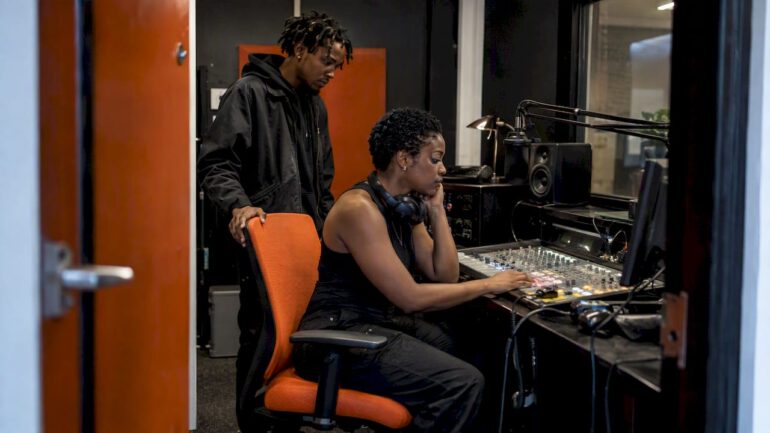

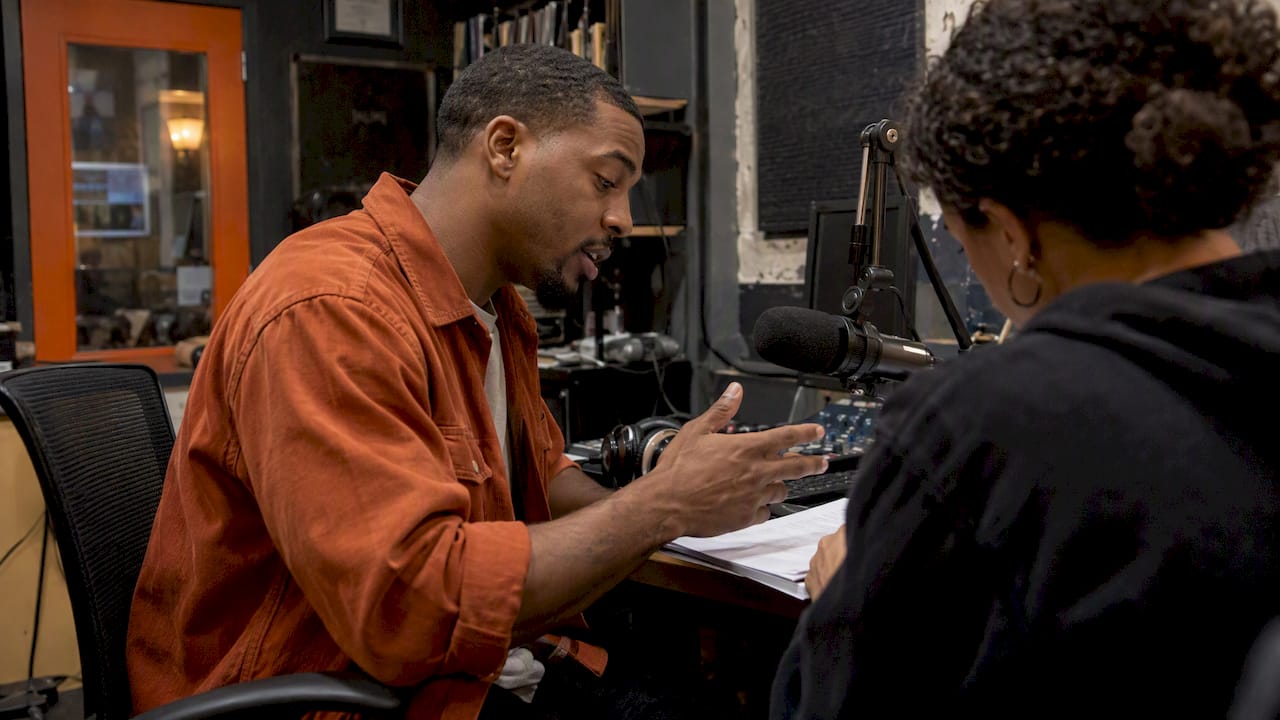
Branded content on radio is advertiser-paid audio programming, clearly identified as sponsored, that weaves brand storytelling right into a show or episode instead of interrupting it. It’s an option when you want longer-form brand storytelling rather than a quick direct-response hit. Think a fully branded episode built around a product story, or a host reading a sponsored segment that actually sounds like they mean it.
TL;DR:
- Use spot ads for immediate sales or signups, mentions for familiarity, and branded episodes or segments when awareness, consideration, or affinity needs room to develop.
- Choose host reads when the host can speak credibly about the sponsor, and include tone, claims, calls to action, and disclosure wording in the brief.
- Paid broadcast content must identify that it is sponsored and name the sponsor; both advertiser and station share responsibility for ensuring the disclosure airs.
- Match measurement to the goal: track reach and CPM for awareness, completion and brand lift for consideration, and promo codes or tracked URLs for action.
- After launch, refresh creative when completion rates fall, shift placements toward stronger dayparts, and report reach, completion, engagement, and response results.
Table of Contents
- What makes branded content different from a regular radio ad
- Formats and real examples for radio and podcast branded content
- Benefits, objectives, and the right KPIs to track
- Legal and disclosure requirements every broadcaster must follow
- Step-by-step checklist for planning a branded audio campaign
- Measuring, optimizing, and reporting on branded audio
- Where authenticity meets branded storytelling on Hot Mic Radio
- Get your branded content in front of our audience
- FAQ
- Sources
What makes branded content different from a regular radio ad
A standard spot ad is the interruption: a short ad dropped between songs, with no connection to the show around it. Branded content sits on the opposite end of that spectrum, woven into the programming so the listener barely feels the sales pitch coming. Branded mentions and product placement land somewhere in the middle: quick, integrated nods that reference a sponsor without handing over the whole segment.
Where each format fits depends on what you’re actually trying to accomplish:
- Spot ads push short-term response: a sale, a signup, an event this weekend.
- Branded mentions build familiarity without asking for much production lift.
- Branded episodes or segments can hold listeners’ attention and create room to build brand affinity.
If your goal is a click today, buy the spot. If you’re planting a brand in someone’s daily rotation, branded content does that job better.
Formats and real examples for radio and podcast branded content
Sponsored segments and show integrations work best when the host actually believes what they’re saying. A host-read ad about a sneaker drop lands different coming from a DJ who already wears the brand on air, and that authenticity is the whole reason this format outperforms a straight read.
Branded podcast episodes and mini-series give a brand more room to tell a story across multiple installments, with the show’s producers keeping editorial control over pacing and structure so it still sounds like content people chose to listen to.
A few formats worth knowing before you brief anyone:
- Host-read sponsored segments, built around the host’s own voice and credibility.
- Co-produced show integrations, where the brand helps shape a recurring bit or theme.
- Branded episodes or mini-series, giving a sponsor a dedicated story arc.
- Product mentions or placement, a quick nod inside existing programming.
- Sponsored features, like artist spotlights, regional culture segments, or live DJ callbacks that tie a brand to a cultural moment.
A solid creative brief covers tone, what the host can and can’t say, any required calls-to-action, and the exact disclosure phrasing the station needs to air.
Pro Tip: Write the disclosure language into the script itself, not as a separate add-on, so the host delivers it naturally instead of bolting it on at the end.
Benefits, objectives, and the right KPIs to track
Branded audio can use storytelling and host credibility to hold listeners’ attention longer than a short spot. That extra time-on-audio is exactly what makes the format worth the production lift.
Match your format to the objective you’re actually chasing:
- Awareness goals point to reach, CPM, and unique listener counts.
- Consideration goals call for brand lift studies and completion rate.
- Engagement goals track listen-through rate and average session duration.
- Action goals need promo codes and trackable landing URLs to prove it.
Industry revenue data shows podcast ad dollars shifting toward brand-building formats, with branded content, brand awareness ads, and brand mentions all growing their share of podcast ad revenue between 2021 and 2023, according to the U.S. Podcast Advertising Revenue Study. That shift tells you advertisers increasingly trust audio to do more than drive an immediate click.
Legal and disclosure requirements every broadcaster must follow
Under FCC sponsorship identification rules, broadcast matter for which consideration is paid must include a sponsorship identification announcement when it airs, and both the advertiser and the station are responsible for ensuring disclosure. The Sponsorship Identification Rules spell out what that announcement needs to say: that the material is sponsored or paid for, in whole or in part, and who’s behind it. A corporate or product name covers the sponsor identification requirement for commercial product spots.
Before anything airs, run through this short checklist:
- Script the disclosure exactly as required, not as an afterthought.
- Confirm the sponsor’s identity in writing before production starts.
- Make sure the station has done its own reasonable diligence on sponsor details.
- Document the agreement so both sides have a record of what was promised.
Pro Tip: Keep a signed copy of every sponsorship agreement on file. If a dispute ever comes up, that paperwork is what protects both the station and the advertiser.
If something feels off or a disclosure gets skipped, the FCC’s own complaint process is the place to raise it rather than letting it slide.

Step-by-step checklist for planning a branded audio campaign
Running a branded audio campaign well comes down to sequence. Skip a step and you’ll feel it later, usually at the worst time.
- Set the objective first. Decide whether you need a full episode, a repeating segment, or a host-read mention, and tie that choice directly to the KPI you’re tracking.
- Define the audience and targeting. Pick the daypart, match the show’s listener profile to your buyer, and decide whether streaming radio or podcast distribution fits better.
- Build the creative brief. Lay out the story arc, what calls-to-action are allowed, exact disclosure wording, and how much the host can improvise.
- Lock down production and legal. Record the disclosure, get the sponsorship agreement signed, run pre-air approvals, and confirm compliance before anything goes live.
- Plan the buy. Decide between a single episode or a series, set your frequency, and frame the budget around how many touches it takes to land the story. Hot Mic Radio’s Advertising page is built for exactly this kind of booking conversation.
Measuring, optimizing, and reporting on branded audio
Measurement for branded audio pulls from a few different places: platform analytics, tracked landing pages and promo codes, and survey-based brand lift studies when the budget allows for it.
Once a campaign is live, small adjustments can move the needle fast:
- Refresh the creative if early listen-through numbers start to sag.
- Shift placement timing if one daypart is clearly outperforming another.
- Tweak the host-read phrasing based on what’s actually landing with the audience.
A solid post-campaign report pulls together listeners reached, completion and listen-through rates, engagement signals, and any direct-response numbers tied back to promo codes or landing pages. Together, those numbers tell you whether the story actually traveled or just aired.
Where authenticity meets branded storytelling on Hot Mic Radio
We built Hot Mic Radio around Hip-Hop, R&B, and the culture surrounding them, which means branded storytelling here has to earn its place next to live DJ sets, regional spotlights, and the independent artists we champion. We offer advertising and promotional support for brands that want in on that world, without asking our hosts to sound like anyone but themselves.
— Hot Mic Radio Team
Get your branded content in front of our audience
If you’re ready to put a branded segment or sponsored feature in front of listeners who show up for Hip-Hop, R&B, and the culture, our Advertising page is where that conversation starts. Talk through booking options for a single segment or a longer run.

Our Promote page lays out Basic Membership, Group Membership, and VIP Membership packages for brands and artists looking for a deeper promotional footprint beyond a single buy. And if you want something listeners can actually hold onto after a campaign wraps, our Hot Mic Radio “We Broadcast” tee and our Hot Mic Radio “Tune In Turn It Up” tee both work well as giveaway pieces tied to a sponsored segment or live event.
A few ways to get moving:
- Request a media kit through the Advertising page.
- Compare promotional tiers on the Promote page.
- Pair your campaign with branded merch as a listener giveaway, the same way branded merchandise strategies recommend for extending a campaign’s reach beyond the airwaves.
- If you need audio production or audience research support for an independent release tied to your campaign, Twisby Records’ advertising services cover that ground for musicians and labels.
FAQ
How do you write a radio commercial?
A strong radio commercial opens with an engaging hook, states the sponsor clearly, and gives the listener one specific action to take. Keep the language conversational since it’s meant to be heard, not read, and match the tone to the show it airs in.
What is the description of advertising?
Advertising is paid communication designed to inform or persuade an audience about a product, service, or brand, usually with the goal of driving awareness or action. On radio, that spans everything from short spot ads to fully branded, sponsor-identified segments.
What is an example of branded entertainment?
A branded podcast mini-series built around a product’s story, or a sponsored artist spotlight segment woven into a live DJ show, both count as branded entertainment. The defining trait is that the content itself, not just an interruption in it, carries the brand’s message.
What is the main purpose of radio broadcasting?
Radio broadcasting exists to deliver music, talk, and information to listeners over the air or through streaming, building a regular audience around specific shows and formats. For stations like ours, that purpose extends to spotlighting Hip-Hop, R&B, and independent artists who might not get airplay anywhere else.