

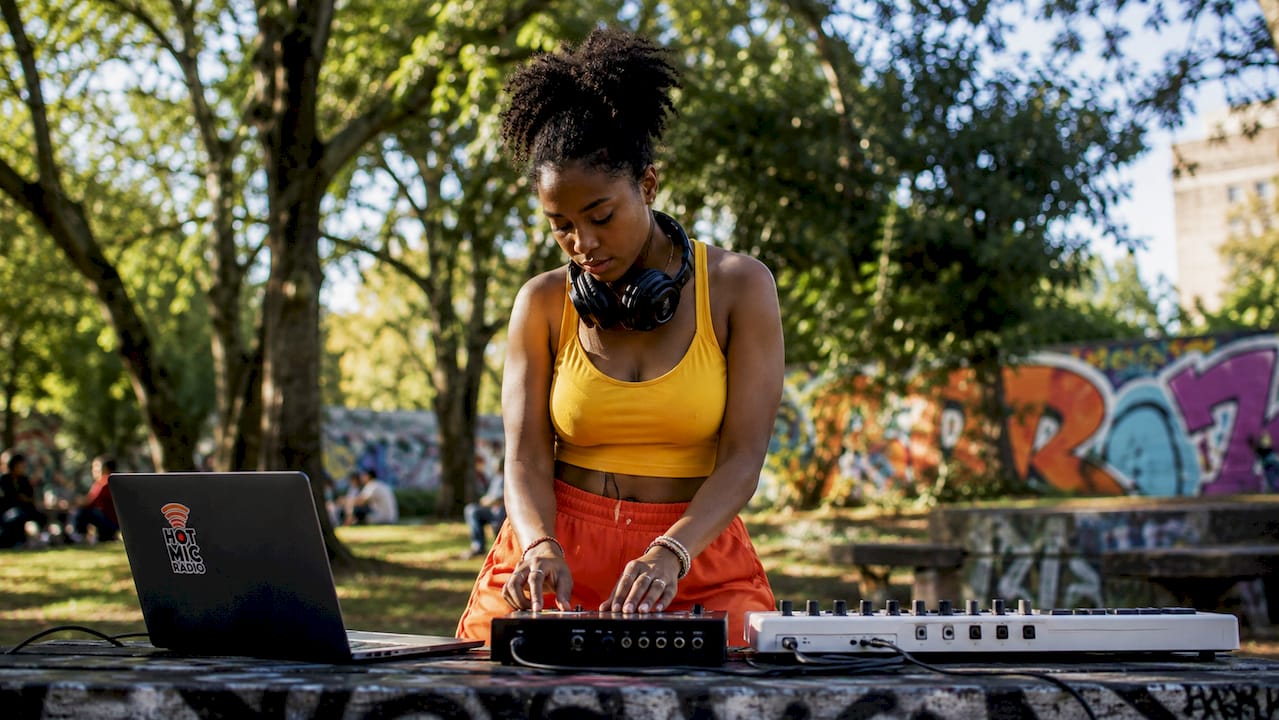
Music hustle is defined as the persistent, daily, entrepreneurial effort an artist commits to building a sustainable music career, not a one-time push or a lucky break. The term comes from the broader meaning of hustle as energetic, persistent effort, but in music it carries a specific weight. It means showing up every day, treating your craft like a business, and stacking small wins until they compound into something real. If you’ve ever wondered what does music hustle mean beyond the motivational posters and Instagram captions, the answer is simpler and harder than you think. It’s the grind you can actually sustain.
What does music hustle mean in the modern industry?
The music hustle definition has always centered on consistent effort, but the industry it operates inside has changed completely. Persistent, incremental daily work is the core of the concept. Not a marathon recording session once a month. Not a big promo push when an album drops. The hustle is what happens in between, every single day.
The standard industry term for this approach is sustainable artist development. Music hustle is the street-level, culture-rooted way artists describe the same idea. Both phrases point to the same truth: careers are built through repetition, not inspiration.

What makes the music hustle concept different from generic career advice is its emotional charge. It acknowledges that artists are often working with limited time, limited money, and unlimited passion. The hustle is the bridge between those two realities. You don’t wait until conditions are perfect. You work with what you have, right now.
How has the music hustle evolved with the industry?
The music industry’s money and attention have moved. Budgets now flow toward creator networks, live streaming, gaming, and podcasting, with ROI driven by time-based engagement rather than traditional radio spins or press placements. That shift changes everything about what music hustle looks like in practice.
Here’s what the modern music hustle actually competes against:
- Gaming platforms that capture hours of daily attention from the same audience you want
- Podcasts that build parasocial loyalty faster than most music releases
- Short-form video that rewards consistency and personality over pure sonic quality
- Live streaming that turns passive listeners into active community members
Consistent daily activity now yields better audience returns than a single well-funded campaign. That’s not an opinion. That’s where the money and the eyeballs have moved. An artist who posts, engages, and shows up daily on the platforms where their audience lives will outperform an artist who drops a single and disappears.
The rise of multi-platform storytelling has also reshaped the hustle. Artists now build narratives across audio, video, and text simultaneously. The hustle isn’t just making music. It’s making your music matter in a crowded attention economy. Independent artists who understand this are skipping traditional label structures entirely and building direct relationships with fans through creator hubs and online radio.

What are the biggest misconceptions about music hustle?
The myths around music hustle explained incorrectly can actually stall careers. Here are the most common ones, and what’s actually true:
- “I’ll focus on music when life slows down.” Life does not slow down. Artists who wait for a “magic month” to create consistently stall their progress. The window never opens on its own. You carve it out.
- “Hustle means working 24/7.” Relentless output without recovery is not hustle. It’s burnout with a better PR story. The artists who last are the ones who pace themselves.
- “Going viral is the goal.” Viral moments are unpredictable and rarely build lasting careers. Gradual growth without viral hits is the accepted modern path for most working musicians.
- “You have to quit your day job to be serious.” Most working artists balance music with employment. The day job is not the enemy. Reframing it as the financial foundation that funds your music changes the whole relationship.
- “Hustle is always productive.” Busy is not the same as effective. Posting content that doesn’t connect, recording tracks that don’t fit your direction, and chasing every trend are all forms of hustle that go nowhere.
The mental and creative toll of hustle culture is real. Relentless hustle threatens artistic integrity and mental health, and the music community is increasingly calling for a more honest conversation about that cost.
Pro Tip: Track your weekly music activities for two weeks before changing anything. You’ll quickly see which tasks move the needle and which ones just feel productive.
How do you build a sustainable music hustle?
Sustainable music hustle is built on systems, not willpower. Here’s what actually works:
- Salami-slice your tasks. Break every project into the smallest possible action. “Record an EP” becomes “write one verse today.” Small actions compound fast.
- Keep your setup ready. Reducing setup friction is one of the most underrated productivity moves in music. If your DAW takes 20 minutes to configure, you won’t open it during a 30-minute gap. Leave it ready to go.
- Build repeatable engagement systems. Measurable audience engagement on platforms where attention is concentrated daily, such as live streaming and creator hubs, outperforms sporadic effort every time. Schedule it like a meeting.
- Use online radio strategically. Platforms like Hot Mic Radio give independent artists consistent exposure without requiring a label budget. Understanding how online radio supports artists is a real part of the modern hustle toolkit.
- Practice strategic rest. Schedule downtime the same way you schedule recording sessions. Rest is not the opposite of hustle. It’s the fuel.
The table below maps common hustle activities to their actual impact level:
| Activity | Impact Level |
|---|---|
| Daily short recording or writing sessions | High: builds catalog and skill consistently |
| Weekly engagement on one core platform | High: compounds audience loyalty over time |
| Monthly single releases with promotion | Medium: keeps you visible without burning out |
| Submitting music to online radio and playlists | Medium: expands reach beyond existing followers |
| Chasing every new social media trend | Low: drains energy with unpredictable returns |
Pro Tip: Pick one platform and one engagement habit, then do both for 90 days before adding anything new. Consistency on one channel beats scattered effort across five.
Music premieres and strategic release moments also create momentum that a steady drip of content alone cannot. Build your hustle to include occasional high-impact events alongside daily low-effort touchpoints.
Why does the hustle need radical rest to survive?
The hardest truth about music hustle meaning is this: hustle without rest eventually kills the music. Not the career. The actual music. The joy, the spontaneity, the reason you started.
“Hustle is inherently anti-musical if it replaces rest and play. Musicians need deliberate protection of time for those qualities, because conflating productivity with artistic worth damages their longevity and creative depth.”
That quote cuts deep because it’s true. The artists who burn out don’t usually quit because they ran out of talent. They quit because they ran out of joy. When every creative moment is monetized, measured, or posted, the music stops being a refuge and becomes another job with worse pay.
The practice of “radical rest” in music means protecting time that has no output attached to it. Listening to music you love with no agenda. Playing an instrument with no recording running. Walking without headphones. These are not lazy habits. They are the conditions under which real artistic ideas form.
Skilled non-action and playful attention yield deeper musical outcomes and reduce burnout. The artists who understand this don’t just last longer. They make better music.
Key Takeaways
The music hustle is defined by daily, consistent, entrepreneurial effort that balances creative output with strategic rest, sustainable systems, and platform-aware engagement.
| Point | Details |
|---|---|
| Core definition | Music hustle means persistent daily effort, not sporadic bursts of activity. |
| Industry shift | Attention-based platforms now drive ROI more than traditional radio or press campaigns. |
| Biggest myth | Waiting for the right moment stalls careers; small daily actions build real momentum. |
| Sustainable systems | Repeatable engagement habits and reduced setup friction outperform willpower alone. |
| Rest is required | Protecting time for play and non-output preserves artistic depth and prevents burnout. |
Our take: hustle is a practice, not a personality
Hot Mic Radio Team
We’ve watched a lot of talented artists grind themselves into silence. Not because they lacked skill or drive, but because they confused being busy with moving forward. The music hustle, done right, is not about doing more. It’s about doing the right things consistently and knowing when to stop.
The artists we champion at Hot Mic Radio are the ones who treat their craft with discipline and their rest with the same respect. The ones who submit their music, show up on platforms, and still find time to just listen. That balance is rare. It’s also the thing that separates a five-year career from a twenty-year one.
If you’re an emerging artist reading this, give yourself permission to build slowly. The culture rewards authenticity and longevity more than it rewards speed. Your rhythm is valid. Your pace is enough. Keep going.
— Hot Mic Radio Team
Hot Mic Radio is where the hustle gets heard
The grind deserves a real platform. Hot Mic Radio is built for the artists who are putting in the daily work, the ones who are writing, recording, and releasing without a major label behind them.
Our Hip Hop and R&B archives give independent artists consistent exposure to an audience that actually cares about the culture. We run dedicated shows for indie Hip Hop, classic R&B, and everything in between. If your music is ready, our music submission page is open. We listen to everything that comes through. Hot Mic Radio is not just a radio station. It’s a community that shows up for artists who show up for their craft. Tune in, turn it up, and let’s get your music heard.
FAQ
What does music hustle mean exactly?
Music hustle means the consistent, entrepreneurial daily effort an artist puts into building a sustainable music career. It covers everything from recording and releasing music to engaging audiences and managing the business side of artistry.
Is music hustle the same as working nonstop?
No. Sustainable music hustle requires strategic rest alongside consistent effort. Relentless output without recovery threatens both artistic integrity and mental health.
How has music hustle changed in 2026?
The hustle now centers on time-based audience engagement on platforms like live streaming and creator networks, replacing traditional radio and press as the primary drivers of artist growth.
Can you hustle in music while working a day job?
Yes. Building a music career alongside employment is the accepted modern path for most working artists. Reframing the day job as financial support for your music, rather than an obstacle, changes the entire mindset.
How do I get my music heard as part of my hustle?
Submit your music to online radio platforms, build consistent engagement on one core social channel, and use resources like Hot Mic Radio’s artist discovery guide to expand your reach beyond your existing audience.


Post comments (0)