

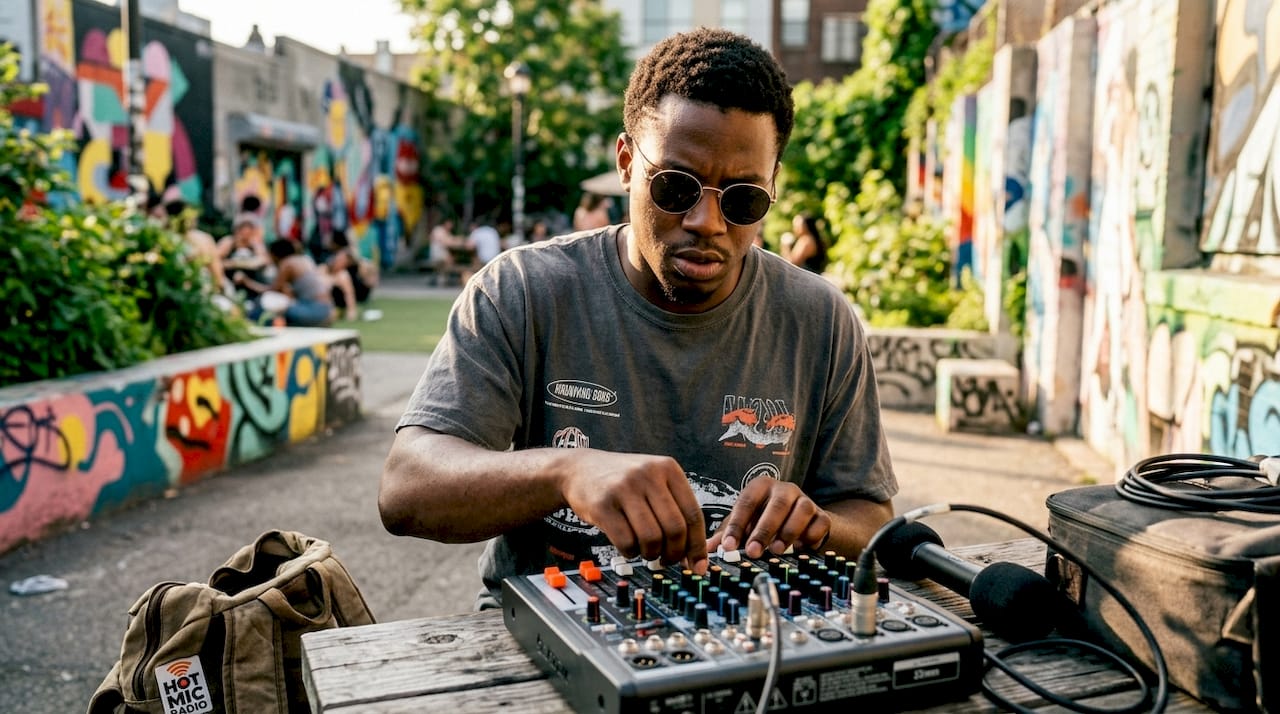
Radio DJ support is defined as the active promotion, curation, and endorsement of music by on-air personalities who connect artists directly with listeners. This function sits at the heart of Hip-Hop and R&B culture, where a DJ’s co-sign can launch a career overnight. Sixty percent of radio listeners tune in primarily for the personality behind the mic, not just the music. That number tells you everything about why the role of radio DJ support still hits harder than any algorithm in 2026.
How do radio DJs create listener loyalty and community engagement?
Radio DJs build loyalty through human connection, not just song selection. More than half of listeners describe their favorite DJ as a friend or family member. That parasocial bond is not accidental. It is the result of consistent personality, shared references, and a voice that shows up at the same time every week like clockwork.
The psychology behind this is straightforward. When a DJ knows your city, your slang, and your mood on a Monday morning, you feel seen. Successful modern DJs master word economy and local specificity to create that emotional ownership. A quick shoutout to a neighborhood, a timely comment about last night’s game, or a perfectly placed throwback record does more for loyalty than a perfectly curated playlist ever could.

Appointment listening is another real benefit of DJ-driven radio. Fans plan their day around specific shows. They tune in at a set time because they want to hear what their DJ has to say, not just what song plays next. That habit creates a community of listeners who share the experience, talk about it online, and bring new fans into the fold.
Here is what that loyalty looks like in practice:
- Shared cultural references: DJs who speak the language of their audience create an “us” feeling that streaming platforms cannot manufacture.
- Consistent scheduling: Weekly shows build ritual listening habits that keep audiences coming back.
- Live interaction: Call-ins, dedications, and social media engagement during shows turn passive listeners into active participants.
- Local storytelling: Mentioning regional artists, events, and news ties the broadcast to a specific community identity.
Pro Tip: If you want to deepen your connection with a DJ’s show, engage on social media during the live broadcast. DJs notice active listeners, and that relationship can open doors for artists and fans alike.
In what ways do radio DJs promote emerging artists and shape music trends?
Radio DJs provide a quality filter that no algorithm can replicate. When a DJ drops a new track into a curated set and talks over the intro with genuine excitement, that endorsement carries weight. Human DJ curation adds social proof that tells listeners this record is worth their attention. Streaming playlists can expose a song to millions, but they cannot vouch for it.
Specialist radio shows act as direct pipelines to the music industry. A single spin on the right show can trigger label interest, booking inquiries, and tastemaker coverage. The UK radio market, with 50 million weekly listeners, demonstrates how specialist radio remains a critical launch pad for emerging artists. That same dynamic plays out across American Hip-Hop and R&B radio every single week.

How emerging artists can get radio support
Getting airplay is not luck. It is preparation and targeting. Here is the process that actually works:
- Research the right shows. Find DJs who already play your genre and style. Sending a trap record to a smooth R&B show wastes everyone’s time.
- Personalize every submission. Targeted, professional submissions dramatically increase the chance of airplay. Reference the DJ’s recent shows and explain why your track fits their rotation.
- Deliver broadcast-ready audio. Send properly mastered files with full metadata, including BPM, key, and artist contact info.
- Follow up professionally. One polite follow-up after a week is standard. Spamming a DJ’s inbox is not.
- Build a relationship first. Engage with the DJ’s content online before you pitch. Cold submissions from strangers convert at a much lower rate.
| Submission element | Why it matters |
|---|---|
| Genre fit | Ensures the DJ’s audience is already primed for your sound |
| Personalized note | Shows you respect the DJ’s curation and have done your homework |
| Broadcast-ready audio | Removes friction and signals professionalism |
| Artist bio and links | Gives the DJ context to introduce you on air |
| Follow-up timing | Keeps you visible without being annoying |
Radio archives extend this value far beyond the original broadcast. Archives transform live broadcasts into permanent assets that industry professionals review before making booking decisions. A great set from six months ago can still land you a show today.
Pro Tip: Always ask the station or DJ for a link to the archived broadcast after your music gets played. Add it to your press kit. Industry people want proof of radio support, and an archived spin is hard evidence.
What makes human DJs more valuable than automated playlists?
The numbers make the case plainly. Sixty-six percent of listeners cite ease of listening in cars as a top reason for tuning in, 62% cite free access, and 60% cite the DJ or host specifically. Listeners value personality nearly as much as pure convenience. That is a remarkable finding in an era when on-demand streaming is everywhere.
Industry voices are direct about what happens when stations cut talent to save money:
“Cutting on-air talent in favor of automation is a strategic failure. Human connection is radio’s competitive moat.” — Barrett Media
That quote lands hard because the data backs it up. Automation can fill airtime. It cannot build a community. It cannot tell you why a record matters, who made it, or what it means to the culture. Those are human functions, and listeners feel the difference immediately.
Historically, DJs have always been the human filters who selected and endorsed new sounds before the digital age gave everyone a platform. That curatorial instinct created cultural hits. It shaped genres. It built the foundation that Hip-Hop and R&B stand on today. Removing that human layer does not modernize radio. It hollows it out.
Personalized endorsements also carry commercial weight. When a DJ says “this is the one” before dropping a new record, listeners trust that recommendation in a way they never trust a “Recommended for You” notification. That trust translates into streams, purchases, and show attendance. The role of online radio for artists in 2026 is built on exactly this kind of human credibility.
How can fans and aspiring DJs support radio DJ culture?
Fans and aspiring DJs are not passive observers in this ecosystem. They are active participants who can strengthen or weaken the culture depending on how they engage. The relationship between DJs, fans, and artists is symbiotic. Each group feeds the others.
Here is how fans can show up for the DJs who show up for them:
- Share show clips and mixes on social media. Organic reach is the most valuable thing a fan can give a DJ in 2026.
- Attend live events and DJ sets. Physical presence signals to promoters and labels that the DJ has a real following.
- Request songs through official channels. Most stations have request lines or social media handles. Use them. It tells the DJ what the audience wants.
- Support the artists DJs champion. Stream the records, buy the merch, and attend the shows of artists your favorite DJ puts on. That cycle keeps the whole ecosystem healthy.
- Engage with Hip-Hop and R&B radio content consistently. Consistent engagement drives algorithmic visibility for stations and shows, which helps them grow.
Aspiring DJs have a different set of responsibilities. Building a submission strategy means treating every pitch as a professional interaction, not a casual ask. Local references and timely observations build community ownership, so aspiring DJs should develop a point of view that is specific to their city and scene. Generic DJs get generic results.
The most important thing any aspiring DJ can do is listen deeply to the stations they want to be on. Study the pacing, the word choices, the track sequencing. Then submit music that fits that world, not just music you personally love. Respect for the craft is what separates the DJs who get callbacks from the ones who get ignored.
Key Takeaways
Radio DJ support remains the most powerful human bridge between artists and audiences in Hip-Hop and R&B, delivering community, credibility, and cultural context that no automated platform can match.
| Point | Details |
|---|---|
| Personality drives loyalty | 60% of listeners tune in for the DJ, not just the music. |
| Parasocial bonds are real | Over half of listeners view their favorite DJ as a friend or family member. |
| Targeted submissions win | Personalized, professional pitches dramatically increase an artist’s chance of airplay. |
| Archives extend impact | Broadcast archives become permanent assets that industry professionals use for booking decisions. |
| Automation cannot replace humans | Cutting live talent weakens radio’s core advantage: genuine human connection. |
Our take: DJs are the culture, not just the soundtrack
We have been in this space long enough to say something plainly. The conversation about DJs versus algorithms misses the point entirely. Algorithms surface music. DJs give it meaning. There is a massive difference between a track appearing in a playlist and a DJ saying “this one right here” before it drops. One is exposure. The other is a co-sign from someone the listener trusts with their ears.
What we see at Hotmicradio is that the DJs who build real audiences are the ones who are deeply embedded in the culture. They know the history. They know the streets. They know which new artist from Atlanta or Houston or Compton is about to blow before the blogs catch on. That knowledge is not something you can automate or replicate with a recommendation engine.
The challenge in 2026 is that stations keep cutting talent to chase short-term savings. That is a trade of long-term audience loyalty for a cheaper operating cost. Listeners notice. They migrate to platforms where a real human is behind the mic and actually cares about what they play. That is exactly why independent and online radio is growing while legacy stations are shrinking.
Our honest advice to fans: protect the DJs who protect the culture. Engage with their shows. Share their mixes. Show up to their events. And to the artists grinding right now, treat every DJ relationship like the career-defining connection it actually is. Because it is.
— Hot Mic Radio Team
Hotmicradio: where DJ culture lives every day
At Hotmicradio, we believe the DJ is the heartbeat of the culture. While our station is rooted in the authentic sounds of Hip-Hop and R&B, we are actively expanding our vision. We are evolving beyond the traditional formats to showcase more live, high-energy DJ performances, ensuring that every moment on air isn’t just heard—it’s experienced. We don’t just fill airtime; we curate the culture.
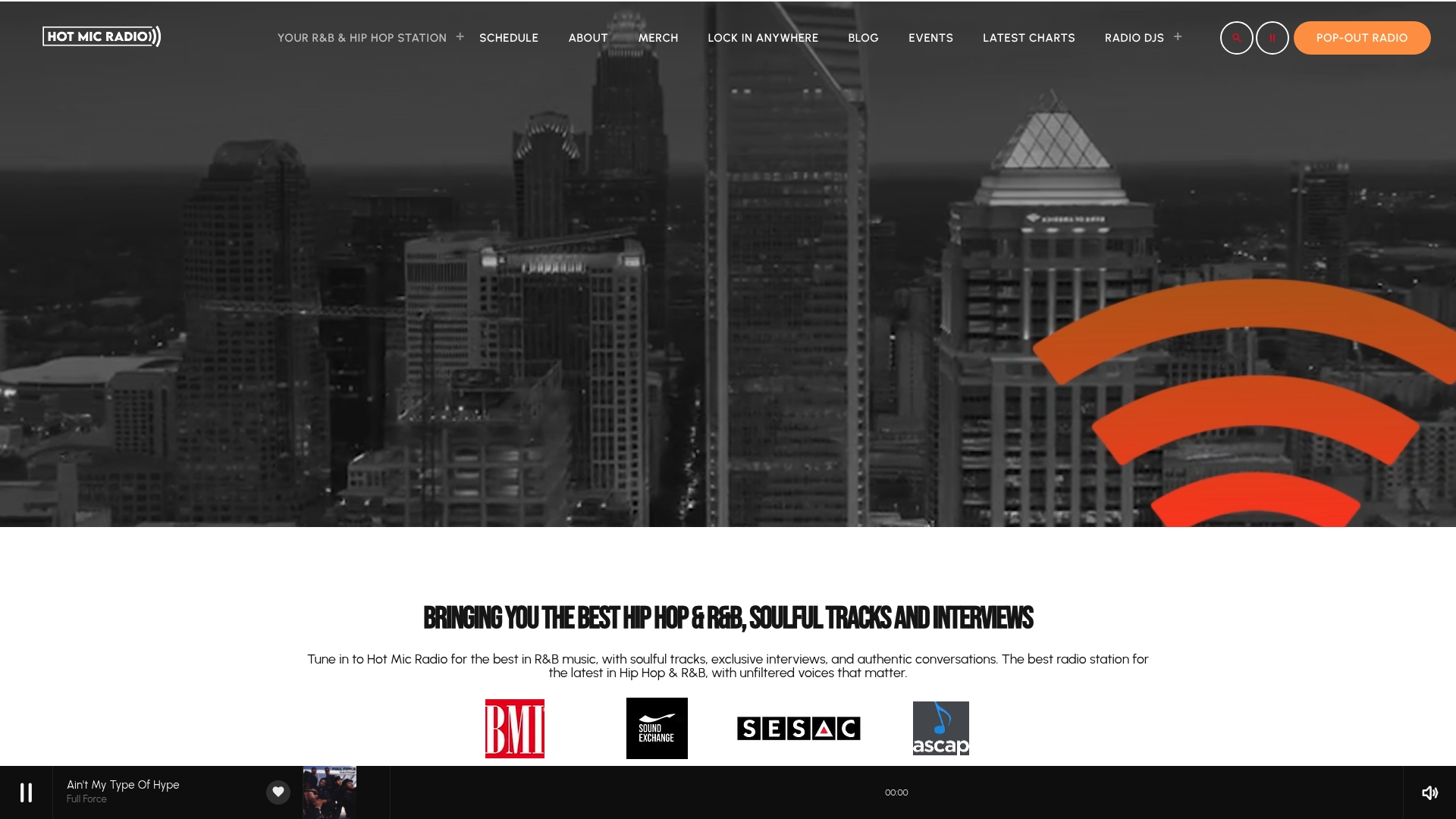
Whether you want to hear what is popping right now or go deep into the archives, we have you covered. Our Hip-Hop and R&B show archives are packed with sets from DJs who know the culture inside and out. You can also check out our full live DJ show lineup to find your next favorite personality. New shows drop regularly, and independent artists get heard here first. Tune in and feel the difference a real DJ makes.
FAQ
What is the role of radio DJ support in music promotion?
Radio DJ support is the process by which on-air personalities curate, endorse, and contextualize music for their audiences. It provides artists with social proof and credibility that streaming algorithms cannot deliver.
Why do listeners prefer DJs over automated playlists?
Research shows 60% of radio listeners tune in specifically for the DJ or host personality. Human connection, local references, and genuine endorsement create loyalty that automation cannot replicate.
How do DJs help emerging Hip-Hop and R&B artists?
DJs place new tracks within curated sets and personally endorse them on air, which signals quality to listeners and attracts attention from labels and promoters. Specialist radio shows remain a primary launch pad for new artists.
What is the best way for an artist to get radio DJ support?
Personalized, targeted submissions to DJs who already play your genre yield the best results. Research the DJ’s show, reference their recent work, and deliver broadcast-ready audio with full artist information.
Do radio archives still matter for artists in 2026?
Radio archives transform one-time broadcasts into permanent, shareable assets. Industry professionals regularly review archived sets before making booking and signing decisions, making every spin a long-term career asset.


Post comments (0)