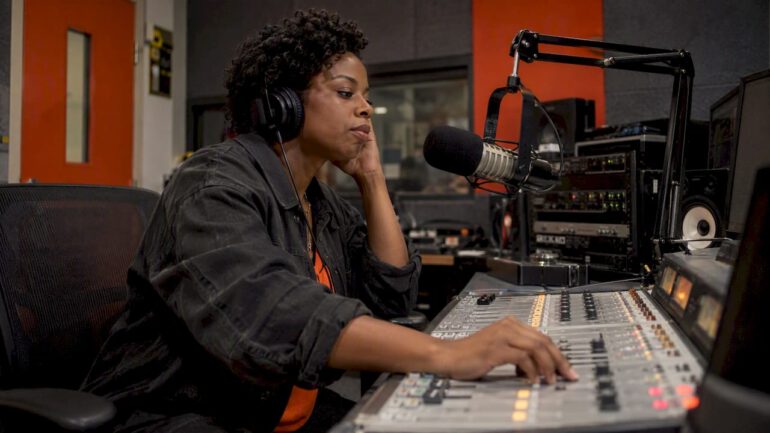



In the United States, hip hop skews young: Gen Z and Millennial listeners make up the core of the audience, the genre still carries a large Black listener base, and both female and non-Black listenership have grown in recent years. We pulled this picture together from the RIAA’s Music Consumer Profile, Nielsen’s Black Diaspora report, and Statista’s U.S. fan data because anyone programming or advertising to this audience needs the real numbers, not vibes.
TL;DR:
- Nielsen reports hip hop has a younger median age than most radio formats, with strong engagement among listeners ages 18 to 34.
- For Gen Z campaigns, prioritize on demand streaming and social discovery; add curated radio or live DJ programming to reach older listeners.
- Check definitions before comparing fan surveys with streaming counts: surveys capture reported habits, panels track behavior, and logs cannot identify who is listening.
- Treat the audience as broader than young Black men; research notes growing female participation and adoption across racial groups, but samples and age brackets vary.
Table of Contents
- Age, Gender, and Race: The Core Numbers You Need
- Where and How U.S. Hip Hop Fans Actually Listen
- The Shifts Reshaping Who Listens to Hip Hop Now
- Turning the Numbers Into a Real Media Plan
- How We Program for Every Corner of This Audience
- What the Data Actually Tells Advertisers to Do Differently
- Reach U.S. Hip Hop Listeners Through Hot Mic Radio
- FAQ
- Sources
Age, Gender, and Race: The Core Numbers You Need
Let’s get into the breakdown, because this is where the real story lives. Nielsen’s Black Diaspora report finds that hip hop skews younger than most other radio formats, with the format pulling especially strong among Black Millennials and Gen Z. The energy in DJ chat rooms and song request lines often comes overwhelmingly from listeners in their teens, twenties, and thirties.
On gender, the old narrative was simple: hip hop was a boys’ club. That’s not the full picture anymore. Academic research summarized in a Springer Nature chapter on rap consumption confirms the audience historically skewed male and young, but also documents rising female participation in recent studies. No shade to the old data, it just hasn’t kept up with where the culture actually is right now.
Race and ethnicity is the part marketers get wrong most often. The Nielsen Black Diaspora study ties hip hop closely to Black cultural identity, especially among younger generations, while also noting the format’s broad reach across streaming platforms. Meanwhile, Statista’s hip-hop and R&B fan research tracks media usage and lifestyle traits across the wider fan base, which increasingly includes White, Hispanic, and other listeners who grew up with the genre as mainstream pop culture rather than a subculture.
A quick gut check before you start quoting these numbers in a pitch deck:
- Age: Younger skew confirmed across Nielsen and RIAA data, with the heaviest concentration among Gen Z and Millennial listeners.
- Gender: Historically male-leaning, with documented growth in female listenership per academic research.
- Race: Strong Black audience core, with expanding cross-racial reach as streaming flattens access to the genre.
- Definitions matter: “Fans of hip hop” and “streamers who play hip-hop tracks” are not the same population, and sources don’t always separate them cleanly.
Nielsen’s Black Diaspora report finds that hip hop carries a younger median age than most radio formats and holds significant weight among 18 to 34 year old audio listeners. That single fact should reshape how you think about ad placement and programming windows.
Survey data, panel data, and streaming logs each tell a slightly different story, and that’s not a flaw, it’s just how measurement works. Surveys (like RIAA’s) capture attitudes and self-reported habits. Panels (like Nielsen’s) track actual behavior across a representative sample. Streaming logs capture raw play counts but say nothing about who’s actually listening. Mixing these up is how bad marketing briefs get written.
Where and How U.S. Hip Hop Fans Actually Listen
The listening landscape has flipped generationally, and it’s worth breaking down cleanly. Younger listeners lean hard into on-demand streaming and playlist culture, while older hip-hop fans still hold onto radio and curated shows as their primary touchpoint. We see this split play out in real time between our live DJ sets, which pull a broad age range, and our late-night mixes, which skew younger and more playlist-driven.
Here’s the quick version of how U.S. hip-hop fans engage:
- Streaming first: Younger cohorts default to on-demand platforms and algorithmic playlists over scheduled radio.
- Radio still matters: Older listeners and loyal fans use curated radio and live DJ shows for discovery they trust.
- Social drives discovery: Short clips, DJ mixes, and artist moments on social platforms often precede a streaming search.
- Live events close the loop: Concerts and parties turn casual streamers into committed fans, something Nielsen’s research flags as a key cultural connector. Readers chasing the live side of this can check out hip-hop venues and events in New York for a sense of how that energy translates off the screen.
For a deeper comparison of the two formats, our breakdown on radio versus streaming walks through the tradeoffs for different listener types.
Pro Tip: If your campaign targets Gen Z, lead with a streaming and social presence; if you want broader reach across age groups, pair that with curated radio placement.
The Shifts Reshaping Who Listens to Hip Hop Now
The hip-hop audience of 2026 doesn’t look like the hip-hop audience of a decade ago, and the data backs that up. The Springer Nature research on rap consumption documents a narrowing gender gap, driven by growing female engagement across streaming and live events. We’re not talking about a total reversal, but the trend line is real and worth building into any long-term media plan.
Academic research summarized in a Springer Nature chapter shows rap and hip-hop consumption, once heavily male-skewed, now reflects increasing female participation and broader cross-racial adoption. That’s the headline shift marketers need to internalize.
Streaming is also pulling younger listeners deeper into the genre faster than radio ever could, a pattern Nielsen ties to hip hop’s outsized presence among 18 to 34 year olds. One honest caution here: some of the richest demographic datasets, including parts of Statista’s catalog, sit behind paywalls, and academic studies often use small samples or different age brackets than industry reports. Treat any single percentage as a signal, not gospel.

Turning the Numbers Into a Real Media Plan
Data is only useful if you act on it, so here’s how we’d translate these numbers into a working strategy:
- Prioritize streaming and social for younger segments, since that’s where Gen Z and younger Millennial hip-hop fans actually spend their time.
- Keep radio and live DJ programming in the mix for broader reach, especially if your campaign needs to hit older Millennials and Gen X listeners too.
- Build creative around authenticity and representation, then A/B test messaging across age, gender, and cultural subsegments instead of assuming one creative fits everyone.
- Check your source definitions before reporting numbers upward, since “fans” and “streamers” are not interchangeable populations in most datasets.
Our piece on how streaming shapes music reach for hip-hop and R&B goes deeper into platform strategy if you’re building out a full campaign.
Pro Tip: Pull from panel or streaming-log data whenever you can, survey-only numbers tend to overstate casual interest and understate loyal, high-frequency listeners.
How We Program for Every Corner of This Audience
We built Hot Mic Radio around the understanding that “the hip-hop audience” is really a dozen audiences stacked on top of each other. Our live DJ shows pull a wide age range, our late-night mixes skew younger and more streaming-native, and our regional spotlight programming gives voice to local scenes that national playlists tend to flatten out.
A few ways this shows up in our actual lineup:
- Late-night DJ sets built for the streaming-first, Gen Z-leaning crowd that wants discovery over nostalgia.
- Regional scene spotlights that highlight independent artists from specific markets, which our hip-hop archives document in detail.
- Daily rotation that blends mainstream staples with emerging and independent artists, reflecting the genre’s actual listening habits rather than a narrow chart-only approach.
Our full programming guide breaks down how these shows map to different listener segments.
What the Data Actually Tells Advertisers to Do Differently
Here’s our honest read after sitting with all these numbers: most marketing briefs still treat “hip-hop audience” as one monolithic young Black male demographic, and that framing is outdated and leaves money on the table. The real audience is more female than it used to be, more racially mixed than most campaigns assume, and split across streaming-native younger listeners and radio-loyal older ones who engage completely differently.

The biggest mistake we see is campaigns chasing viral reach on social platforms while ignoring the live-event and curated-radio layer that Nielsen flags as a genuine trust builder. Streaming gets you discovered, but radio and live DJ sets are where casual listeners become loyal fans, and loyal fans are the ones who actually convert.
If you take one thing from this, let it be this: stop treating gender and race as side notes in your targeting and start treating them as core variables, because the data shows real movement on both fronts. The audience changed faster than most ad strategies did.
— Hot Mic Radio Team
Reach U.S. Hip Hop Listeners Through Hot Mic Radio
We offer advertisers a direct line into a hip hop and R&B listening audience across the U.S. Our advertising options connect brands with that audience, and artists looking for airplay can explore our Basic, Group, and VIP Membership plans to get featured.
- Advertisers: Reach a culturally engaged hip-hop and R&B audience through targeted advertising.
- Independent artists: Submit for airplay and promotion through our membership plans.
- Next step: Check availability and placements for your next campaign.
FAQ
What percentage of people listen to rap?
Exact national listening percentages vary by dataset and definition, so we avoid quoting a single figure without a matching source. What’s clear from Nielsen’s research is that hip hop carries a younger median age than most other radio formats and holds strong engagement among 18 to 34 year old listeners.
What is the gender breakdown of Drake’s fan demographic?
We don’t have artist-specific gender breakdown data for individual performers like Drake in the sources we rely on. What we can say, based on academic research into the broader genre, is that hip-hop’s overall audience has shifted toward more balanced gender representation over time.
What is the number one music genre right now?
Genre popularity rankings shift by measurement method and time period, and we don’t have a current, sourced ranking to cite here. What the data does confirm is that hip hop remains one of the most streamed and culturally influential genres among younger U.S. listeners.
Who is the number one streamed rapper?
Streaming rankings change frequently and depend on the platform and time frame used, so we don’t have a single sourced answer to point to. If you’re tracking top artists, platform-specific charts and services like Statista’s hip-hop fan research offer more current breakdowns.
How has the hip-hop audience changed in recent years?
The audience has become more gender-balanced and more racially diverse, according to academic research tracking consumption trends over time. Streaming has also pulled in younger listeners faster than traditional radio, reshaping how fans discover and engage with the genre.
Sources
- MUSIC CONSUMER PROFILE – 2022
- Black Diaspora study (Nielsen)
- Target audience: Hip-hop/rap fans in the United States | Statista
- Breaking the Gender Gap in Rap/Hip-Hop Consumption (Springer Nature chapter)